← Back to Insights
Aclymate Team
October 17, 2025
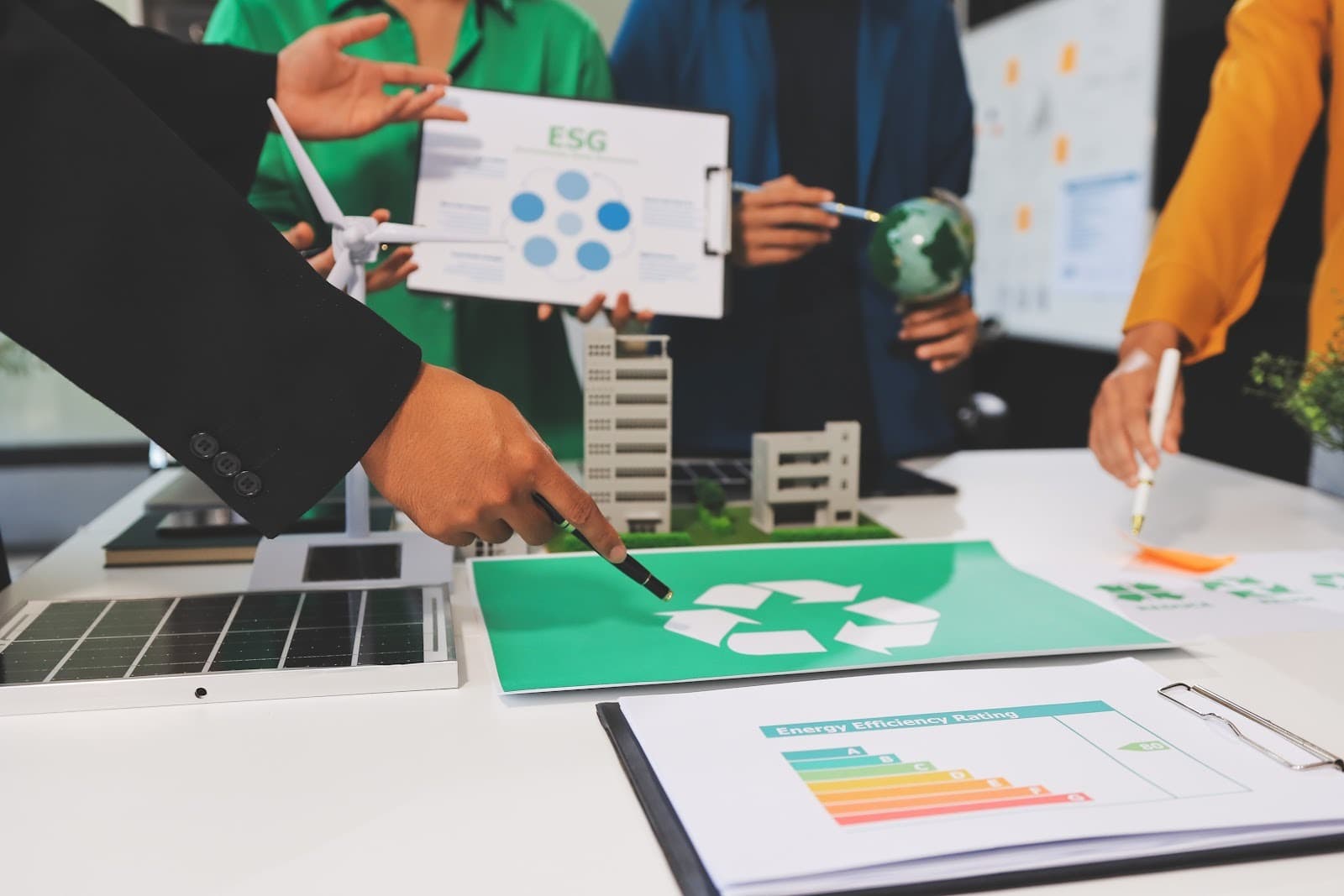
Environmental concerns continue to grow, from rising emissions to shrinking natural resources. Many companies are rethinking how they operate to protect the planet while meeting customer and investor expectations.
Sustainability has become a key part of doing business. In a recent report, more than 70% of business leaders say that investing in ESG (environmental, social, and governance) strategies is a competitive advantage.
That's where sustainability management comes in. It’s the structured process of measuring, reducing, and improving your company’s environmental and social performance.
This guide covers everything you need to know about sustainability management, including its definition, objectives, benefits, and challenges.
Sustainability management is the process of organizing a company’s actions to reduce its environmental impact and improve social responsibility.
It looks at how businesses use energy, materials, and natural resources while running their operations responsibly.
Through sustainability management, organizations set measurable goals to cut emissions, manage waste, and support fair labor practices.
More than meeting offset goals, it's about building an environmentally responsible business that can last.
Sustainability management aims to guide businesses toward responsible growth and lasting environmental balance.
Your company’s daily operations, from manufacturing to packaging, have a direct effect on the environment.
Sustainability management limits this impact by cutting waste, lowering energy use, and reducing greenhouse gas emissions.
It also helps you review how materials are sourced and how products are made. This way, you can identify where improvements are needed.
A strong sustainability plan protects both your business and future generations. The goal is to balance immediate operational needs with long-term environmental responsibility.
This usually involves making responsible decisions about energy, waste, and sourcing that sustain your company’s future.
By acting now, you reduce risks tied to resource shortages, climate shifts, and changing regulations.
Another key objective of sustainability management is using materials, water, and energy wisely.
Responsible use prevents waste and reduces air pollution caused by inefficient operations. It involves understanding how every resource is managed in your supply chain and identifying ways to cut excess.
Sustainability management also focuses on the people side of business. This means creating a positive impact on employees, suppliers, and communities.
By promoting fair labor standards, workplace safety, and ethical sourcing, your company supports social well-being throughout the supply chain.
Here are the advantages of integrating environmental and sustainable practices into your business operations.
Companies known for sustainable practices build stronger trust with customers, investors, and partners.
When your business demonstrates responsibility toward the planet and people, it sends a clear message of integrity.
In competitive industries like CPG and manufacturing, your reputation can influence buying decisions and contract opportunities.
Sustainability reporting, ethical sourcing, and transparent communication help your brand stand out in your industry. Over time, this trust turns into loyalty, which can position your company as a reliable and forward-thinking leader.
Adopting sustainability initiatives and clean energy makes your company more appealing to both consumers and investors.
In fact, 72% of B2B buyers are more likely to purchase from socially responsible companies.
Meanwhile, investors prefer to work with companies that manage environmental risk responsibly.
When you show measurable improvements in energy efficiency and emissions reduction, it demonstrates reliability and innovation. This level of transparency attracts new customers and long-term investment.
A strong sustainability management program helps you attract and retain skilled employees in a competitive job market.
Most university graduates and students entering the workforce look for employers that align with their environmental values. More than 60% of millennials only work for climate-conscious companies.
When they see your business taking sustainability seriously, they view it as a place to build a meaningful career and not just another job.
On the other hand, current employees become more motivated and loyal when they know their work contributes to something larger than profit. This commitment strengthens company culture, boosts morale, and keeps top talent for the long term.
Sustainability management improves operational efficiency by helping you identify where resources are being wasted and how to use them better.
For example, integrating environmental management into production can reveal opportunities to cut energy costs. You can then consider switching to solar technologies, hydropower, or other types of renewable energy.
In food and beverage companies, tracking emissions can lead to process improvements that reduce energy consumption and food spoilage.
Even simple packaging redesigns can lower material waste and shipping weight, reducing fuel use in transport.
Each improvement reduces delays caused by resource inefficiencies. This makes your entire operation leaner, smarter, and more resilient.
Climate inaction can cost companies millions through higher energy expenses, supply chain disruptions, and damage from extreme weather. Rising regulations and shifting consumer expectations can also shrink market share for businesses that fail to adapt.
Adopting sustainable business strategies leads to stronger financial performance over time. You create measurable savings by reducing resource use, improving efficiency, and lowering emissions.
At the same time, sustainable development opens new revenue streams through eco-conscious products and green certifications. Companies that adopt sustainability early gain an advantage as consumer expectations increase and government agencies tighten regulations.
Sustainability management also strengthens accountability.
When you track data and set carbon reporting standards, you'll find it easier to stay ahead of changing environmental laws.
This proactive approach helps avoid penalties and reputational damage while building trust with customers and regulators.
While the benefits are clear, putting sustainability management into action has several challenges. Below are the most common difficulties you may face:
Aclymate solves all these challenges by combining carbon accounting software with consulting services. Its Turn Key solution handles data entry, vendor outreach, and compliance reporting.
The platform also suggests the most effective ways to reduce emissions. At the same time, it helps you meet industry standards and stay ahead of regulations.
Aclymate even provides access to high-quality offsets through its built-in offset marketplace and offset quiz.
On top of these solutions, Aclymate simplifies climate reporting through AI-powered categorization and audit-ready outputs.
Schedule a demo today to tackle your sustainability challenges with Aclymate!
A detailed sustainability strategy helps you address the challenges above. Here's a step-by-step guide you can follow:
First, identify specific ESG issues that matter most to your business and stakeholders through a materiality analysis.
This allows you to focus sustainable management efforts on areas with the greatest impact, such as emissions, waste, labor, or supply chain ethics.
To conduct an effective materiality analysis, list potential sustainability topics relevant to your operations and industry.
Next, gather input from all stakeholders, including employees, customers, suppliers, and investors, to learn which issues they value most.
Then, evaluate how these topics affect your company’s performance and risk exposure.
Rank each issue based on stakeholder importance and business relevance. The results provide a strong foundation for your sustainability strategy.
After conducting a thorough audit, define sustainability goals that reflect your company’s mission and operational capacity.
Set specific, measurable, and realistic objectives. For example, you might aim to reduce total energy consumption by 20% within the next three years or lower packaging waste by 15% annually.
You may also want to transition 50% of your product line to sustainable products within five years.
Align these goals with industry standards and reporting frameworks, such as the GHG Protocol or the Science-Based Targets initiative (SBTi). This ensures you meet regulatory compliance and keeps your team focused.
Sustainability efforts work best when leadership, employees, and suppliers across different sectors participate from the start.
Discuss priorities with your sustainability management team and supply partners to identify shared objectives. For instance, food and beverage companies may partner with local farmers or packaging suppliers to reduce carbon emissions.
By engaging stakeholders across your value chain, you can increase accountability, improve cooperation, and avoid implementation delays.
Determine how progress will be tracked using clear, measurable indicators. Popular examples include carbon footprint reduction, waste diversion rates, renewable energy adoption, and energy efficiency per production unit.
You can also measure water usage, supplier sustainability performance, or packaging recyclability.
These metrics give you a consistent way to assess improvement over time and communicate progress to stakeholders.
Make sure to align your tracking methods with recognized frameworks, such as GRI (Global Reporting Initiative), SASB (Sustainability Accounting Standards Board), or CDP (formerly the Carbon Disclosure Project). Doing so can strengthen your company's credibility and demonstrate transparency in your sustainability reporting.
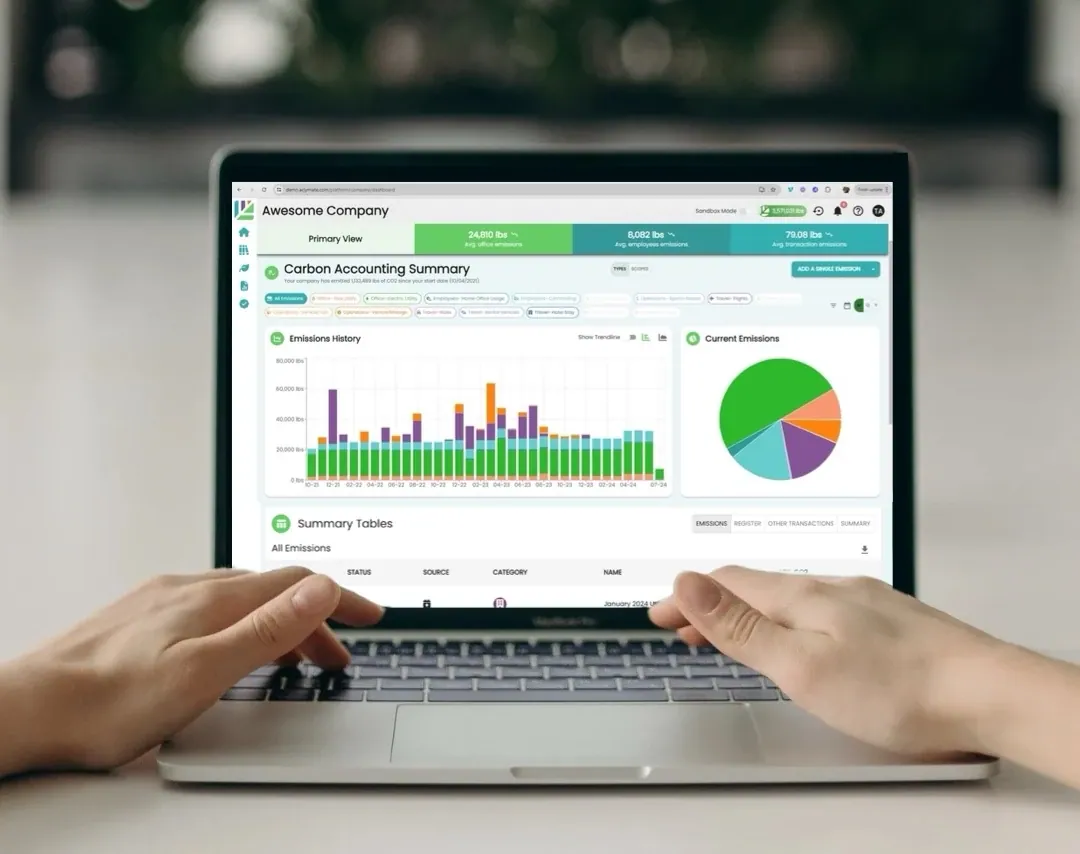
Digital sustainability tools simplify data tracking, carbon accounting, regulatory reporting, and performance management. These platforms also allow you to visualize progress and manage supplier performance efficiently.
Look for sustainability management software that integrates with your existing systems and aligns with your sustainability goals.
You should also consider the platform's ease of use, vendor support, and reporting features. Don't forget to compare different pricing plans to ensure you are getting your money's worth.
Better yet, adopt an all-in-one climate platform like Aclymate. It combines carbon accounting, consulting services, and a verified offset marketplace designed to simplify sustainability management. Within it, you can also track energy usage, water consumption, and waste production.
Sustainability shouldn’t sit outside your main business functions. Instead, it should shape how you make daily decisions.
Make sure to incorporate sustainability into procurement, logistics, and manufacturing processes. This might include sourcing renewable materials, reducing packaging, or improving supplier performance.
The more integrated your systems become, the more natural sustainable practices will feel throughout your organization.
Sustainability is an ongoing process. Regularly review performance data, supplier compliance, and new industry developments.
Stay informed about public policy changes and evolving regulations that affect your daily operations. Then, use these insights to adjust sustainability strategies and maintain regulatory compliance.
Continuous monitoring keeps your sustainability efforts current and prevents larger issues from developing.
Meanwhile, ongoing improvements ensure your sustainability programs remain effective, credible, and future-ready.
Aclymate makes sustainability management simple, measurable, and effective for companies of all sizes. It combines carbon accounting software, expert consulting, and a verified offset marketplace to help you reach your climate goals faster.
Integrated services include access to climate bookkeepers and consultants. These professionals guide your team through every step of the certification process, whether you want to meet SBTi, B Corp, and EcoVadis standards.
Meanwhile, Aclymate's verified offsets and renewable energy credits allow you to invest in meaningful climate projects.
With Aclymate, you get all the expertise of a full sustainability team without adding employees or overhead.
Sign up today to enjoy a 17-day free trial! Or book a demo to learn how Aclymate helps you in your climate journey.
Sustainability management means organizing and managing business activities in ways that reduce environmental harm and support social responsibility. It focuses on how companies use resources, produce goods, and interact with people while maintaining profitability and long-term environmental balance.
When people think of sustainability, they primarily think of environmental sustainability, but the four main types of sustainability are environmental, social, economic, and human. Environmental sustainability protects natural resources, while social sustainability promotes fairness and equality. Economic sustainability supports financial growth without overuse of resources. Lastly, human sustainability focuses on health, education, and well-being across communities and workplaces.
A sustainability manager develops, implements, and monitors programs that reduce a company’s environmental footprint. They track emissions, manage sustainability reporting, and ensure compliance with environmental standards. Their goal is to help the business operate responsibly.
Yes, sustainability management is a great field to pursue if you’re interested in business and environmental leadership. Many students earn a bachelor’s degree in sustainability management through a business school or curriculum programs linked to environmental science.
Get Aclymate's practical sustainability content delivered weekly.

AI is creating new opportunities for businesses, but it also comes with an environmental cost. Carbon offsets can help address some of those emissions, but businesses need to understand what they are offsetting, how offsets work, and why measuring and reducing emissions should come first.
Read Article
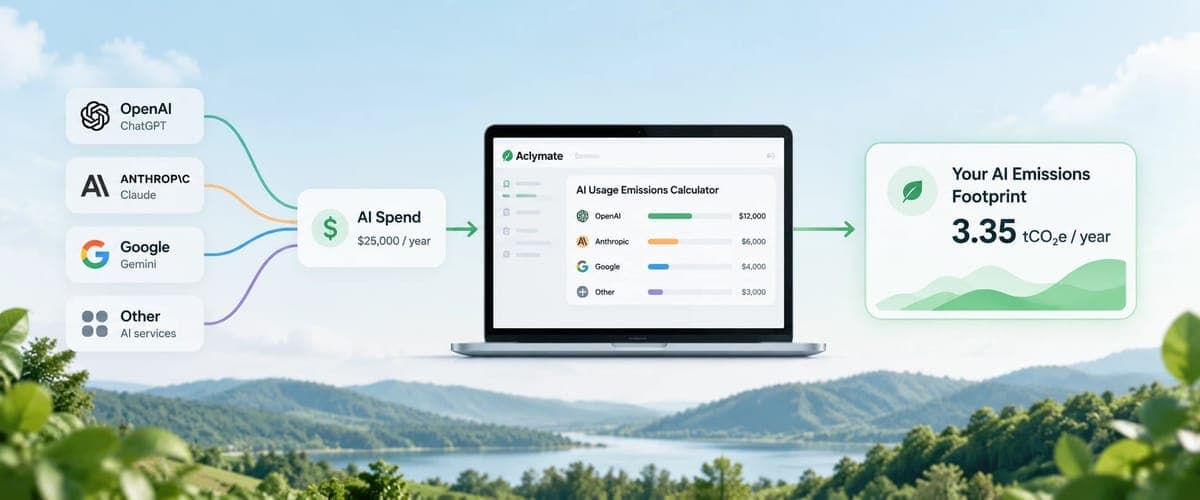
AI carbon emissions are becoming a new consideration for companies adopting ChatGPT, Claude, Gemini, Copilot and other artificial intelligence tools. Here’s how Aclymate estimates the carbon emissions from a company’s AI usage today—and how we expect the methodology to improve as AI providers release better usage and emissions data.
Read Article
California SB 253 applies to companies over $1B in revenue — but its Scope 3 requirement reaches the automotive suppliers underneath them. What to expect and how to prepare.
Read Article
Talk with a Sustainability Expert, see a demo, or start free to put the Aclymate platform and experts to work for your team.