A circular economy is an economic system designed to minimize waste and make the most of resources. In a traditional linear economy, products are made, used, and then discarded, creating waste. In a circular economy, the goal is to keep products, materials, and resources in use for as long as possible by promoting reuse, recycling, and repairing, rather than discarding them. There was no single creator of the idea of a circular economy. Though the principles behind it were first talked about in the mid-twentieth century, circularity wasn’t embraced until the late twenty-first century. The goal of a circular economy is to create a closed-loop system where resources are continually cycled, reducing the need for new raw materials and minimizing environmental impact through innovative design of materials, products, systems, and business models.
Why is it important?
A circular economy is important because it addresses some of the most pressing environmental, economic, and social challenges we face today. It helps reduce waste and pollution by keeping materials and products in use for as long as possible. Instead of extracting new raw materials, a circular system focuses on conserving natural resources and protecting ecosystems. It also plays a key role in fighting climate change by lowering greenhouse gas emissions that come from manufacturing new products and materials. A circular economy can also lead to significant cost savings for businesses and consumers alike. By improving efficiency and using fewer raw resources, companies can reduce production costs, while consumers benefit from products that are built to last and are easier to repair. This model also encourages innovation through new designs, technologies, and business models. The circular economy empowers communities by promoting ethical consumption and encouraging practices that help communities take collective action toward sustainability.
How can my business implement circularity?
Product-as-a-Service: This occurs when the producer rents or leases its product to the customer instead of selling it. The company still has ownership of the products involved, which incentivizes them to maintain and upgrade them, increasing their lifecycle. It also maximises the use of the product, gives the company better insights into how their products are being used, and requires safer disposal at the end of the product’s life. Companies utilizing PaaS include car rentals such as Zipcar or machinery such as HP.
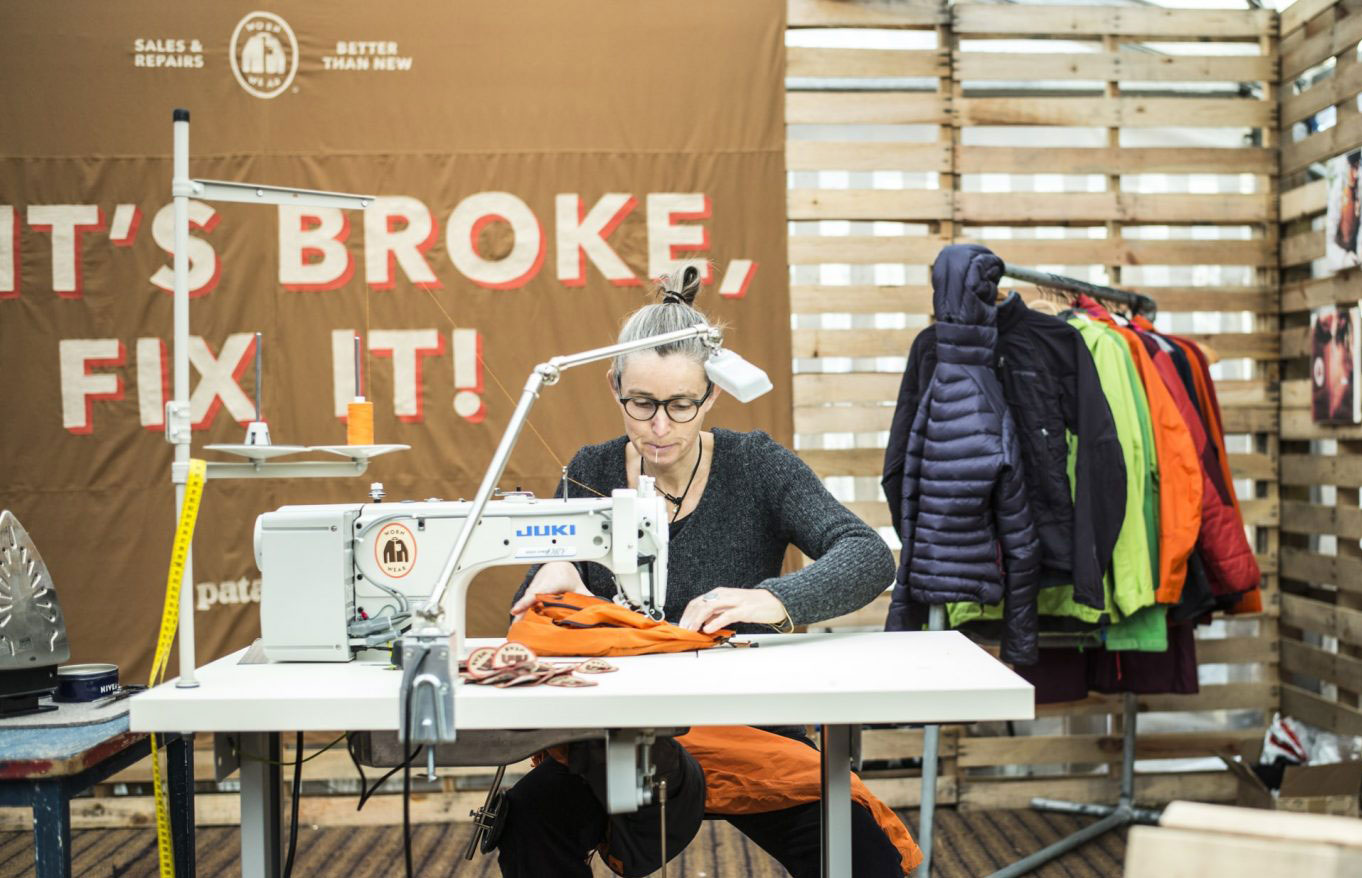
Product Life Extension: Companies using this strategy focus on designing product durability. The longer product lifespan means fewer purchases over time and can become a key competitive differentiator that provides a strong rationale for premium pricing. The model is designed to have a continuous income stream and made with repairability, upgradability, reusability, reconditioning and recyclability in mind. Companies implementing product use extension include retailers such as Patagonia or tech companies such as Apple.
Design for Recycling: This strategy redesigns a company’s products and manufacturing processes to maximize recoverability of the materials involved for use in new products. Generally, a business will partner with companies that have technological expertise or resources to collect and create new materials. These programs incentivize consumers to return products so they can be reclaimed and recycled, sometimes for a reward. Companies that go for recycling programs include furniture stores like Ikea or beauty such as Sephora.
Closing the Loop: This can entail sourcing materials that are renewable, recyclable, or biodegradable, and working with suppliers who follow sustainable practices. It can also include reducing transportation emissions and enhancing material reuse by sourcing raw materials locally, which also supports regional economies. Companies in consumer goods such as Unilever or shoewear like Allbirds use this strategy.
What are the benefits of a circular business model?
Resource Efficiency: A circular model focuses on reusing, recycling, and remanufacturing materials, which significantly reduces waste. Products are designed for longer life cycles, minimizing landfill waste.
Cost Savings: By using fewer new materials and optimizing processes, businesses can reduce costs over time. The cost of waste disposal and energy consumption can also decrease.
Competitive Advantage: Companies adopting circular models often position themselves as environmentally responsible, which appeals to eco-conscious consumers. This can lead to increased loyalty and sales.
Innovation: Shifting to a circular model often requires innovative thinking, from designing products that are easier to recycle or disassemble to finding new ways to extend the lifecycle of products. This promotes continuous innovation within the company.
Stakeholder Engagement: Investors are increasingly looking for companies that adopt sustainable practices. Circular business models align with long-term investment trends focused on environmental, social, and governance (ESG) criteria.
Transitioning to a circular business model is not just a sustainability trend, it’s a forward-thinking strategy that offers long-term value for businesses, consumers, and the planet. By embracing principles like product-as-a-service, life extension, design for recycling, and closing the loop, companies can reimagine their operations to be more efficient, resilient, and innovative. These strategies not only reduce environmental impact but also unlock cost savings, enhance brand loyalty, and open doors to new markets and investment opportunities. Implementing circularity is not a one-size-fits-all approach, but rather a flexible framework that can be tailored to fit any business.
FAQs
Ariel Le
July 25, 2025
Want More?
Click below to discover more Climate Education articles.
.png)

.webp)