.png)

.webp)

What is Renewable Energy?
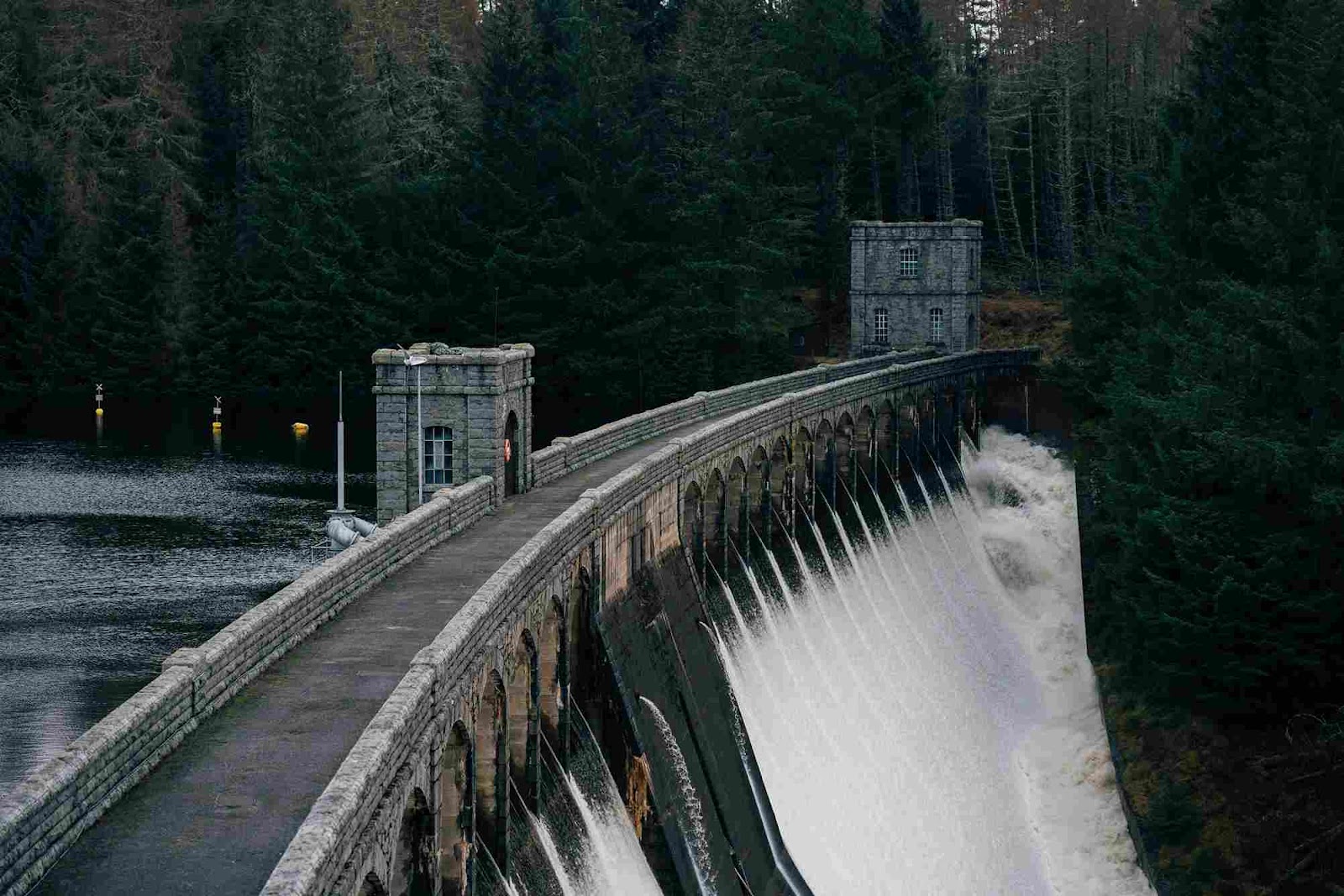
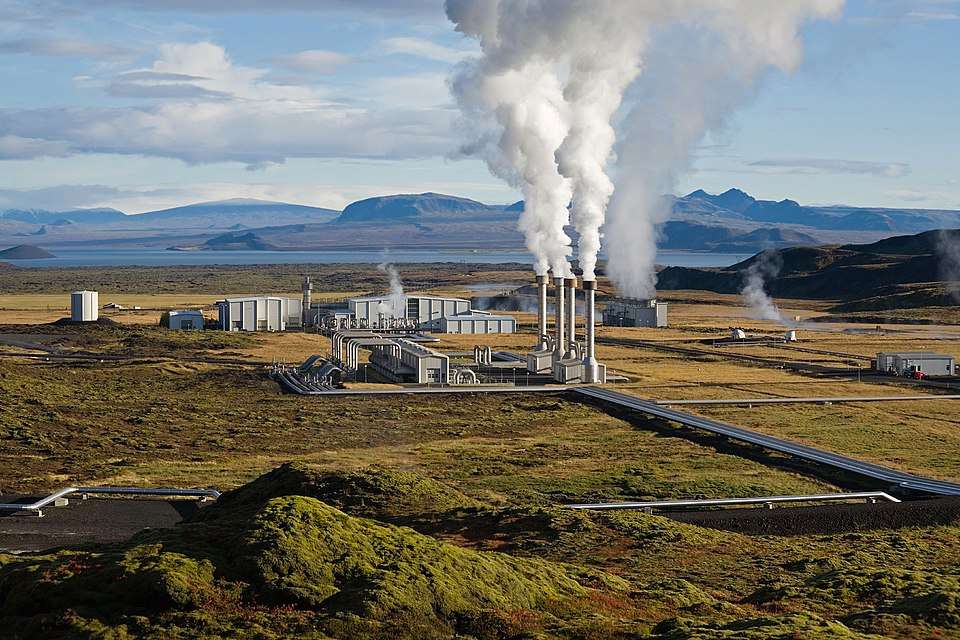
Renewable energy is energy that comes from natural sources that constantly replenish themselves over time. These sources of energy include solar, wind, hydro, geothermal, and biomass. They are sustainable in comparison to fossil fuels such as coal, oil and gas, which produce harmful greenhouse gas emissions.
What are the Different Forms of Renewable Energy?
How is Renewable Energy Helping the Environment?
Fossil fuels like coal, oil, and natural gas release large amounts of carbon dioxide and other greenhouse gases when burned. These gases trap heat in the atmosphere, causing global warming and climate change. Renewable energy sources produce little to no emissions during operation, helping reduce your carbon footprint. Fossil fuel extraction is also resource-intensive, requiring mining, drilling, and transporting fuels across long distances. Renewable energy uses natural elements that are constantly replenished, reducing the strain on Earth’s finite resources. Climate change is already causing more severe weather events, rising sea levels, and disruptions to agriculture. By reducing emissions, renewable energy helps slow these changes and contributes to a more stable and predictable climate future.
How Can My Business Benefit From Renewable Energy?
Common Myths About Renewable Energy Debunked
There is a misconception that renewable energy only works when the sun is shining or the wind is blowing, but renewable energy systems are often paired with battery solutions that can store excess energy for use during cloudy or windless days. Additionally, your business doesn’t have to go completely off-grid as most setups allow you to remain connected to the local utility as a backup. The volume of renewable energy being collected and our ability to store that energy for longer has the power to match demand with supply to create a stable energy grid.
While the upfront costs can be higher, renewable energy systems often pay for themselves over time through savings on utility bills. In many regions, government incentives, tax credits, and financing options significantly reduce installation costs. Once the system is in place, the ongoing energy essentially becomes free. Not to mention, renewable energy is now the cheapest new electricity in countries that make up three quarters of the world’s GDP. On top of price, it's the most efficient too.
Businesses of all sizes are embracing renewable energy. Solar panels, for example, have become more affordable for small to mid-sized businesses, and many local and regional programs are tailored specifically for SMEs. Even partial adoption can make a significant impact. Most renewable energy providers offer turnkey solutions, meaning they handle everything from site assessment and permitting to installation and maintenance. There’s also plenty of guidance available from government and third-party organizations to help you every step of the way.
Switching to renewable energy isn’t just beneficial for the environment, it’s a strategic investment in your business’s future. By tapping into sustainable sources your company can reduce energy costs, increase resilience, and align with growing consumer and investor expectations for sustainability. With government incentives, rapidly advancing technology, and flexible options for businesses of all sizes, making the transition is more accessible than ever. Embracing renewable energy not only lowers your carbon footprint but also strengthens your brand, protects your bottom line, and helps build a cleaner, more stable world for the future.