An Introduction to ESG Reporting and Why It Matters

Learn what ESG reporting is, why it matters for businesses today, and how it helps drive sustainability, transparency, and long-term value.

Juliette Camou
September 30, 2025
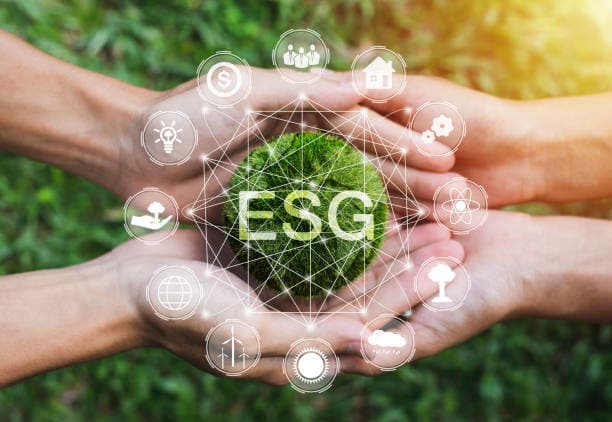
ESG reporting connects the three key pillars environmental, social, and governance supporting transparency and responsible business practice

What is ESG Reporting?

ESG reporting is an essential part of how businesses can communicate their commitment to responsible and sustainable practices. ESG stands for Environmental, Social, and Governance, three areas that investors, regulators, and customers look at when evaluating a company’s long-term performance and impact. An ESG report provides a clear picture of how an organization manages these factors, building trust while also identifying opportunities for growth.

The Pillars of ESG Reports

  1. Environmental metrics – Covers a company’s impact on the planet, such as greenhouse gas emissions, energy use, water consumption, waste, and biodiversity. The goal is to show how the company is reducing its environmental footprint across its operations and supply chain.
  2. Social metrics – Focuses on people. It can include diversity and inclusion efforts, employee satisfaction or turnover rates, workplace safety, human rights in the supply chain, customer well-being, and contributions to the community. These metrics highlight how a company supports fair, safe, and positive environments for employees and society.
  3. Governance metrics – Deals with how the company is run. Examples include the structure of the company, how executives are paid, shareholder rights, and compliance with laws and regulations. Strong governance demonstrates accountability, transparency, and ethical decision-making.

By including these key components in an ESG report, companies give stakeholders a clear view of their environmental, social, and governance performance, showing both accountability and transparency. ESG reports also serve as valuable tools for business leaders, helping them identify areas for improvement and drive meaningful progress toward a more sustainable and equitable future.

Key Benefits of ESG Reporting

  • Meeting regulations – ESG reporting helps companies keep up with changing rules and disclosure standards. By sharing accurate information on time, businesses can avoid fines, legal issues, and reputational damage linked to non-compliance.
  • Better decision-making – ESG data gives leaders a clearer picture of how the company is doing in areas like sustainability, workplace practices, and governance. With this information, businesses can make smarter choices. For example, if a report shows that water use is too high, a company might invest in new technologies that save water, cut costs, and protect resources.
  • Attracting investors – In today’s evolving investment landscape, investors are increasingly drawn to companies that prioritize sustainability and responsible practices. Strong ESG performance shows that a company is forward-thinking and prepared for the future, making it a more appealing investment opportunity. In turn, strong reports will set up the foundation of your companies long-term success.
  • Building brand trust – By openly sharing ESG performance, companies show they are committed to transparency and accountability. This builds stronger relationships with customers, employees, and local communities, boosting brand reputation.
  • Reducing risks – ESG reporting also helps companies spot and address potential risks before they turn into problems. For instance, showing efforts to keep supply chains ethical reduces the risk of labor abuses, while reporting on governance helps avoid scandals. Managing these risks protects not only the business but also society and the environment.

In short, ESG reporting goes beyond simply meeting compliance requirements. It is a strategic tool that helps businesses unlock their full potential by identifying opportunities for growth, efficiency, and innovation. By tracking and sharing progress on environmental, social, and governance factors, companies can strengthen trust with stakeholders, attract investors, and future-proof their operations against emerging risks. More importantly, ESG reporting demonstrates a commitment to making a positive impact; driving meaningful change within the organization, supporting communities, and protecting the planet. At its core, ESG reporting is about creating long-term value and building a more sustainable, equitable world for future generations.

Common Hesitations in ESG Reporting

Navigating ESG Data Management

For many companies, collecting and understanding environmental data feels like uncharted territory. Metrics such as carbon emissions, energy use, water consumption, and biodiversity impacts require specialized knowledge. Gathering this information across different operations can be overwhelming. This is where Aclymate makes a difference. By automating carbon accounting and simplifying environmental data collection, Aclymate helps companies replace guesswork with accurate, actionable insights.

Ensuring Data Accuracy and Reliability

ESG reports are only as strong as the data behind them. Incomplete or inaccurate metrics can damage credibility with stakeholders. Companies often struggle to move from industry averages to real, company-specific values. Aclymate addresses this challenge head-on by providing audit-ready, verifiable data that gives businesses confidence in their environmental reporting.

Avoiding Greenwashing

Stakeholders are increasingly skeptical of vague or overstated sustainability claims. Companies must prove that their disclosures reflect real actions. Transparency, verification, and adherence to standards are essential. By offering trusted environmental data and clear reporting tools, Aclymate helps companies demonstrate genuine progress, reducing the risk of greenwashing and building stronger trust with investors, customers, and communities.

Adapting to Evolving Regulations

The ESG regulatory landscape is constantly shifting, with new rules emerging across different regions. Companies often struggle to keep up with disclosure requirements. While full ESG platforms may be needed for multi-pillar compliance, Aclymate provides a solid starting point by ensuring environmental data is reliable, current, and aligned with reporting standards; giving businesses a foundation to grow as regulations expand.

Meeting Stakeholder Expectations

Investors, employees, customers, and communities all have different priorities when it comes to sustainability. Balancing these expectations is a challenge for any company. By helping businesses measure and share real environmental progress, Aclymate provides a trusted way to show stakeholders that the company is serious about sustainability, reinforcing credibility and accountability.

How Aclymate Can Be the First Step Toward ESG Reporting

ESG reporting can often feel overwhelming, especially for companies just beginning their sustainability journey. However, solutions like Aclymate are designed to simplify this process, making it more manageable and actionable. By focusing on the environmental component of ESG, Aclymate allows organizations to accurately collect critical data, gain clearer insights into their impact, and strengthen transparency with stakeholders, employees, and customers. By automating carbon accounting, Aclymate provides:

  • Actual data, not estimates – track emissions and environmental impact with precision rather than relying on industry averages.
  • Audit-ready metrics – generate accurate, transparent reports that can stand up to stakeholder review.
  • Assess your carbon footprint – highlight areas to reduce emissions, cut costs, and set realistic sustainability goals.
  • Climate solution - we offer a custom climate solution to help you reduce waste.

This makes Aclymate a natural first step before investing in a broader ESG platform. Aclymate makes the environmental pillar of ESG reporting accessible and reliable; encouraging businesses into sustainability reporting while building a foundation for long-term ESG success.

With Aclymate as the starting point, companies can confidently move toward more advanced solutions while demonstrating immediate progress in sustainability, transparency, and accountability. Start your journey with us today by booking a demo or starting a free trial.

FAQs

Juliette Camou
September 30, 2025

Want More?

Click below to discover more Climate Education articles.