← Back to Insights
Ellie Thorson
October 10, 2025
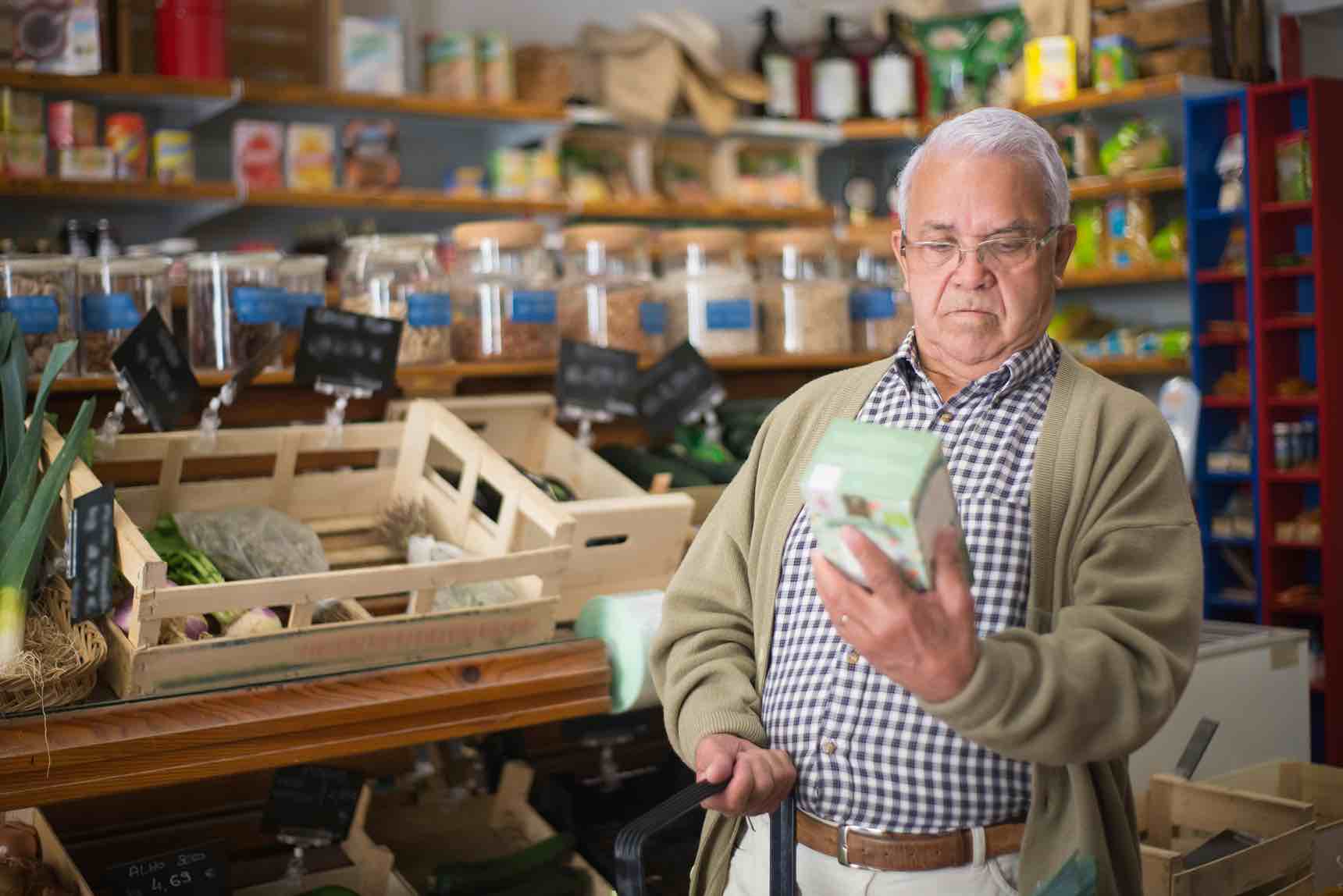
Today's consumers are asking questions that extend far beyond price and quality. They investigate product origins, manufacturing practices, and whether companies demonstrate genuine environmental commitment. This shift is fundamentally reshaping commerce.
Research indicates that "78 percent of consumers believe sustainability is important, and products marketed as sustainable are growing 2.7 times faster" than conventional alternatives. This represents a cultural movement, particularly among younger demographics, to align purchasing with personal values.
For businesses, this presents an opportunity to forge deeper customer connections. Companies that understand conscious consumer priorities and take substantive action build loyalty that transcends single transactions.
Climate change has transitioned from abstract concern to lived experience. As people witness tangible environmental impacts, their brand choices reflect this urgency.
Between 2017 and 2022, discussions surrounding sustainable products increased significantly. Consumers now use purchases as vehicles for self-expression and planetary impact. This "wallet voting" sends unmistakable signals: environmental health matters, and businesses must demonstrate shared values.
Climate action has become essential rather than optional. It drives customer retention, creates competitive differentiation, and establishes growth foundations.
All business sizes experience this sustainability-driven shift. While large corporations command substantial budgets for sustainability programs, smaller and mid-sized enterprises leverage agility for faster, more personalized responses.
Climate credibility delivers competitive advantages. Studies show consumers willingly pay nearly 10 percent premiums for sustainably made products, and "almost 85 percent say they have personally felt the effects of climate change in their daily lives."
However, businesses need more than good intentions. Modern consumers investigate supply chains, seek third-party certifications, and demand transparent climate communication. Marketplace trust requires measurable action and open dialogue.
Unsubstantiated sustainability claims rapidly erode credibility. Climate-conscious customers want evidence—not just claims.
Consumers evaluate brands based on:
Outdoor brand Patagonia exemplifies this approach by openly detailing supply chain practices, investing in recycled materials, and promoting repair over replacement. This honesty builds emotional connections with values-aligned consumers.
Corporate reputation represents a critical asset. Greenwashing—making misleading environmental claims—destroys credibility and causes enduring damage.
Sustainability neglect creates multiple threats:
Conversely, transparent organizations backed by credible evidence and measurable progress earn lasting confidence. These businesses transform climate action into competitive advantage, strengthening relationships with environmentally conscious stakeholders.
Conscious consumers represent a permanent marketplace shift, demanding transparency and measurable environmental commitments. Organizations delivering on these expectations earn stronger loyalty, expanded market share, and competitive advantages.
Climate-conscious buyers are already choosing. The question remains: will they select your business?
Get Aclymate's practical sustainability content delivered weekly.

AI is creating new opportunities for businesses, but it also comes with an environmental cost. Carbon offsets can help address some of those emissions, but businesses need to understand what they are offsetting, how offsets work, and why measuring and reducing emissions should come first.
Read Article
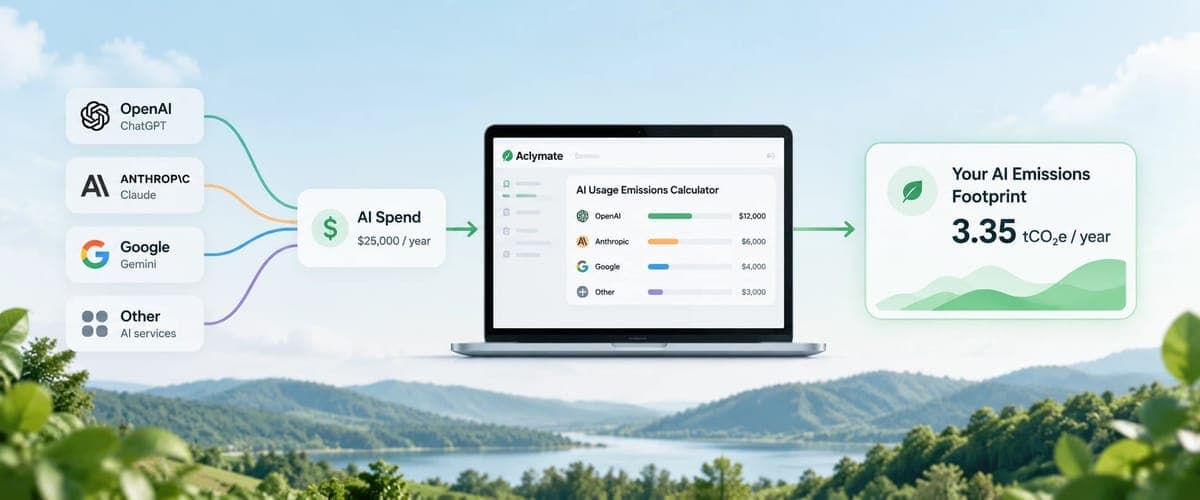
AI carbon emissions are becoming a new consideration for companies adopting ChatGPT, Claude, Gemini, Copilot and other artificial intelligence tools. Here’s how Aclymate estimates the carbon emissions from a company’s AI usage today—and how we expect the methodology to improve as AI providers release better usage and emissions data.
Read Article
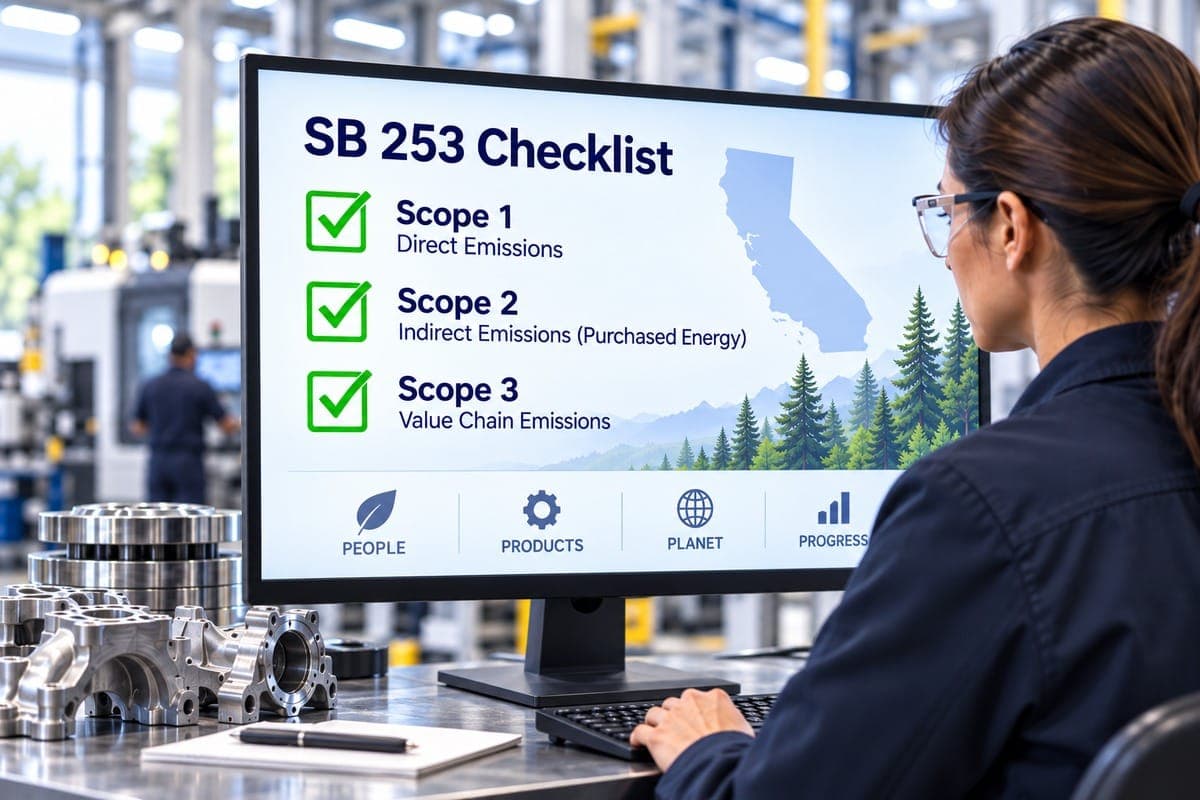
California SB 253 applies to companies over $1B in revenue — but its Scope 3 requirement reaches the automotive suppliers underneath them. What to expect and how to prepare.
Read Article
Talk with a Sustainability Expert, see a demo, or start free to put the Aclymate platform and experts to work for your team.