← Back to Mike's Thoughts
Mike Smith
August 14, 2025
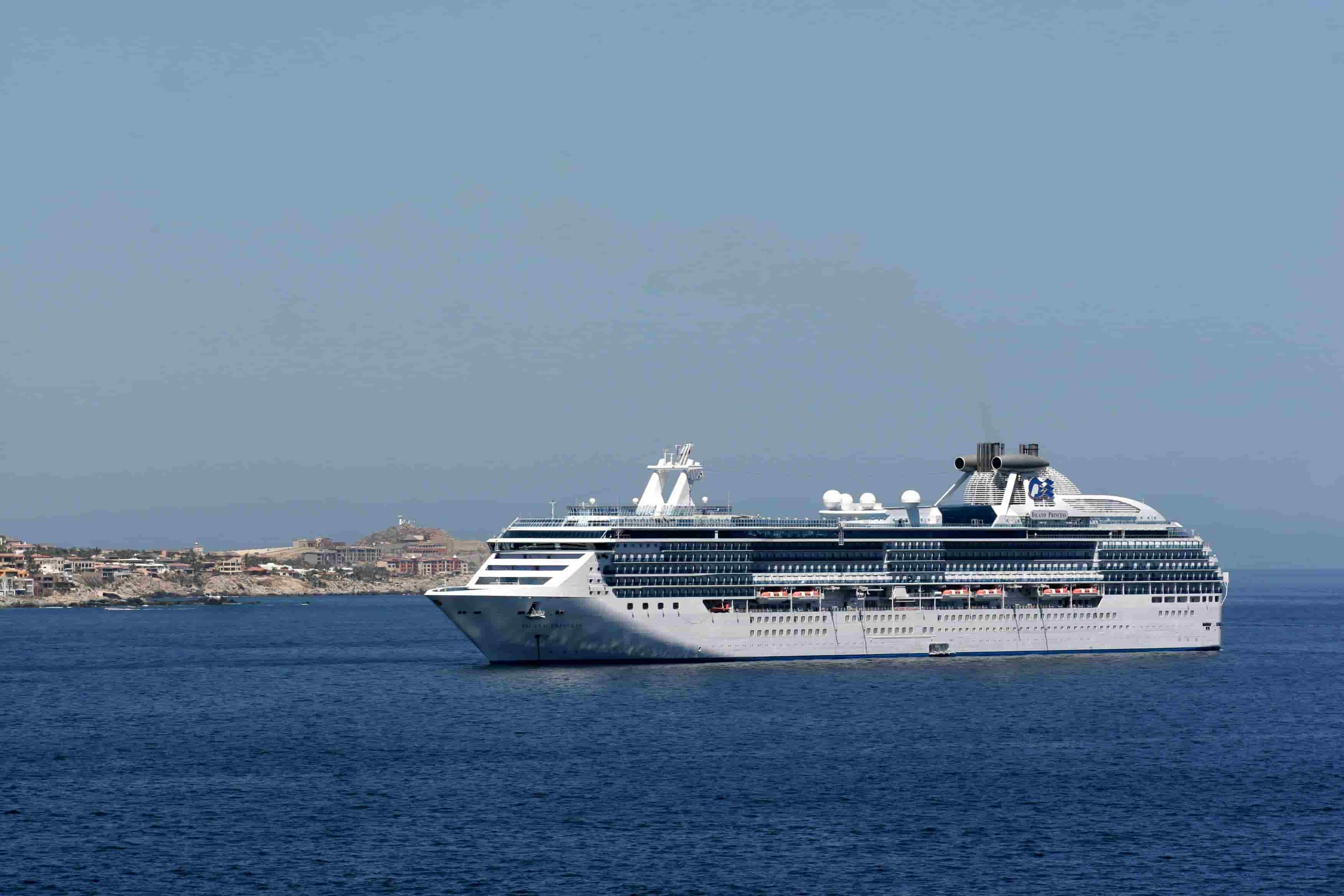
In one of its more bewildering climate moves, the Trump Administration is throwing a diplomatic tantrum over the International Maritime Organization’s (IMO) newly adopted Net-Zero Framework. And yes, “tantrum” is the right word, because instead of participating, the U.S. has stormed out of negotiations, threatened trade retaliation, and declared the framework “unfair” to American interests.
The punchline? The U.S. barely has a maritime shipping industry to speak of.
To be clear: the United States controls less than 1% of the global merchant fleet. Only about 80 U.S.-flagged ships operate internationally today. Most shipping is done by foreign carriers operating under flags of convenience in countries like Panama or Liberia.
Despite this, the Trump Administration is now threatening retaliatory tariffs against countries that support the IMO’s framework, effectively punishing nations for trying to reduce pollution from ships that America doesn’t even own. It’s the geopolitical version of yelling at a book club you were never part of because you don’t like their reading list.
Back in April, the IMO passed a major climate deal to drive net-zero emissions in international shipping by 2050. This includes two key tools:
Fuel intensity standards, which will require ships to use cleaner, more efficient energy.
A carbon pricing mechanism for large ships, likely through a fee or emissions trading system, starting in 2027–2028.
The agreement covers ships over 5,000 gross tons, vessels that account for roughly 85% of shipping emissions. And it passed with support from a broad coalition: the EU, China, Brazil, and dozens of small island nations all backed the deal. The U.S. was one of the only countries to actively oppose it.
Now, as the legal text heads toward final approval in October 2025, the U.S. is not just out; it’s actively trying to block the framework from being implemented by threatening trade penalties on supporters.
Why does this matter? Because maritime shipping is one of the fastest-growing sources of global emissions. The sector currently contributes about 3% of global greenhouse gas emissions, and if left unchecked, could make up 10% by 2050.
Shipping is also one of the trickiest sectors to decarbonize. Ships run for decades, cross multiple borders, and rely on fossil-heavy fuels like bunker oil. There’s no easy national solution; this is exactly the kind of challenge multilateral bodies like the IMO are built to address.
And they’re doing it without the U.S.
What makes the Trump Administration’s obstruction even more self-defeating is that the U.S. is giving up influence in a system it once helped build. By walking away, we’re surrendering our voice in setting carbon prices, shaping fuel standards, or designing the mechanisms that could impact U.S. exports and port infrastructure in the future.
Meanwhile, the rest of the world is moving on. Major shipping companies, especially in Europe, are embracing the certainty the framework provides. Countries are drafting national policies to align with the IMO's emissions rules. And international climate diplomacy, once shaped by American leadership, is increasingly shaped by... well, everyone else.
Even ING analysts have warned that Trump’s retaliation threats could destabilize the agreement and fracture the coalition that made it possible in the first place.
Let’s recap:
The U.S. isn’t a major maritime nation.
We had an opportunity to help shape global climate rules.
We chose to walk away, and now we’re throwing threats from the sidelines.
This is not what leadership looks like. It’s what irrelevance looks like. While the rest of the world sails forward, the U.S. is stubbornly trying to paddle upstream, shouting at boats it doesn’t even own.
It’s bad for the climate. It’s bad for U.S. credibility. And worst of all, it’s bad for the very industries and workers the administration claims to protect. Because in a globalized world, you don’t win by retreating. You win by showing up and leading.
Climate change is already battering coasts, flooding ports, and disrupting global trade. The shipping sector is overdue for a reckoning, and the IMO’s Net-Zero Framework is a serious, overdue response.
America should be at the helm, helping navigate this transition, building clean tech industries, and ensuring fairness for developing countries. Instead, we’re acting like the guy who yells at the ocean for being too wet.
The world has moved on, and since we won’t get on board, we’re being left bobbing in the wake.
Read more:
Get Aclymate's practical sustainability content delivered weekly.

Your company may never be required to join SBTi. But if your customers have science-based targets, their commitments can create very real expectations for you.
Read Article

Most small and mid-sized businesses know they should be doing something about sustainability. The ones that actually make progress share one thing in common: they started with a clear sequence. Here it is.
Read Article

SBTi requirements are reshaping supply chains. Learn what science-based targets mean for carbon accounting, reporting, suppliers, and mid-sized companies.
Read Article
Talk with a Sustainability Expert, see a demo, or start free to put the Aclymate platform and experts to work for your team.