← Back to Insights
Aclymate Team
July 23, 2026
10 min read
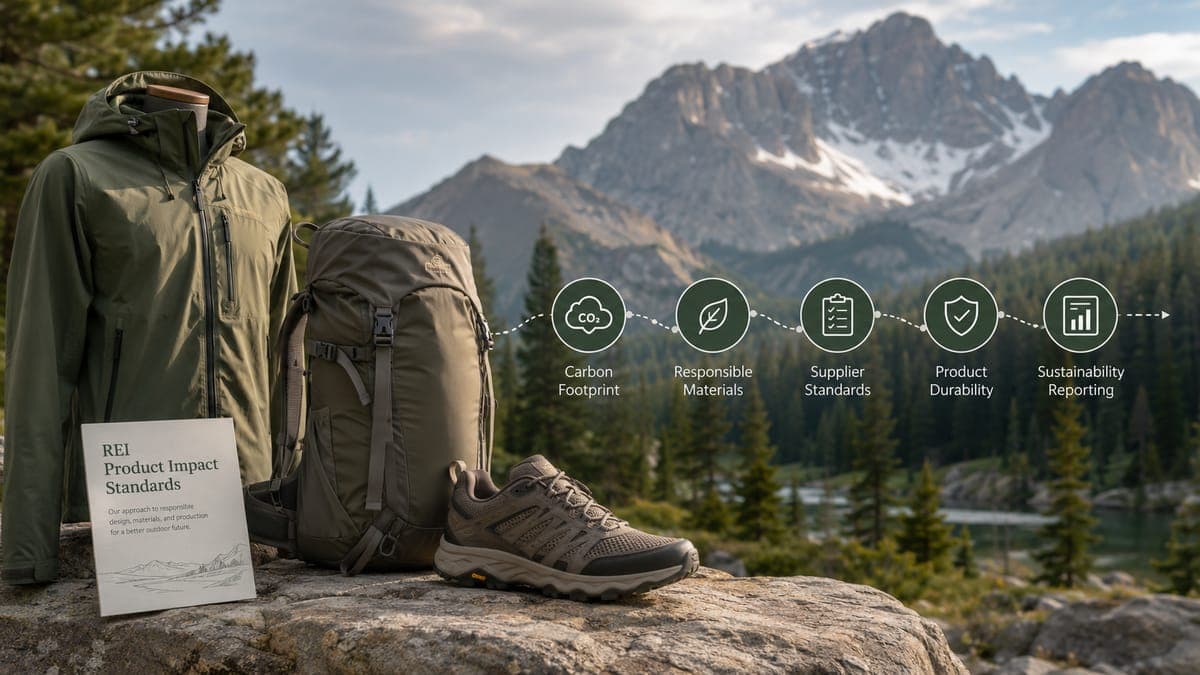
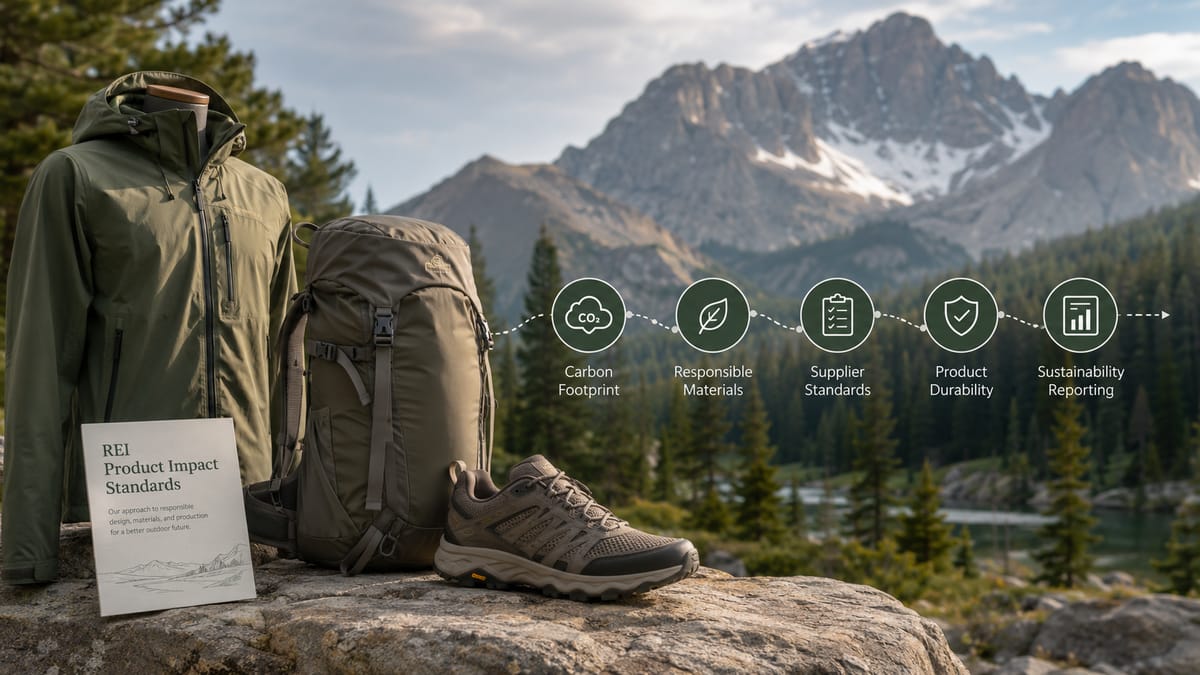
For outdoor brands, becoming an REI supplier can provide access to one of the industry’s most recognized retailers and a large community of highly engaged outdoor consumers.
But product quality, innovation, price and commercial performance are not the only considerations. Sustainability is formally integrated into REI’s product-selection and merchandising processes.
REI is a member-owned cooperative built around the belief that a life outdoors is a life well lived. Protecting outdoor spaces, reducing environmental impact and making the outdoors more inclusive are therefore closely connected to its brand, culture and business strategy.
For suppliers, this means sustainability cannot be treated as a separate marketing campaign. Brands need policies, data, documentation and measurable progress that support their environmental and social claims.
Aclymate CEO Mike Smith will attend Outdoor Retailer 2026, August 19–21 in Minneapolis, where he will meet with outdoor brands, manufacturers and suppliers working to meet REI and other retailer sustainability expectations.
REI’s sustainability strategy reflects a direct connection between its business and the health of the outdoors.
Its customers use the apparel, footwear and equipment REI sells to hike, camp, climb, cycle, ski and explore natural spaces. Protecting those places is therefore both an environmental responsibility and a long-term business priority.
REI’s sustainability initiatives influence:
REI’s latest Product Impact Standards describe the environmental, social, animal-welfare, quality and inclusion practices it expects brand partners to have in place.
The standards also make clear that sustainability is not simply a corporate values statement. REI formally considers sustainability and impact during its product-assortment process. Results from its Product Impact Assessment are reviewed by the merchandising team and are an important consideration in purchasing decisions. Brands that remain out of alignment may face penalties or have their relationships reconsidered.
The REI Product Impact Standards apply to products offered for sale at REI and to the product descriptions, images and marketing materials that brands provide.
The standards are divided into two categories.
Brand expectations are REI’s core expectations for how brands manage applicable environmental, social and animal-welfare impacts.
REI asks every brand partner to meet these expectations and asks that products and supporting assets submitted for consideration meet each applicable standard.
Preferred attributes are voluntary certifications, materials and practices REI considers credible and effective.
Examples include recognized responsible-material certifications, recycled or organic materials, fair labor certifications, sustainable packaging and lifetime warranties.
Products with preferred attributes may be highlighted for REI customers, helping shoppers identify products that reflect their interests and values.
Requirements vary by product category. An apparel company, footwear manufacturer, sunscreen brand and camping-equipment supplier will not have identical obligations.
However, the following requirements are important for most outdoor brands.
REI expects each brand partner to assess its sustainability performance annually and share its results with REI.
REI currently uses the Product Impact Assessment as its primary method for measuring brand alignment and progress. It may also request additional information when necessary.
The assessment may require information related to:
REI’s 2025 Impact Report says more than 830 brands shared performance updates during the year. Brand partners representing more than 96% of annual sales assessed their sustainability and inclusion practices.
Annual reporting is therefore not an unusual request affecting only a small group of sustainability leaders. It is a normal part of managing an REI brand relationship.
REI expects each brand partner to measure its greenhouse-gas emissions annually.
The inventory should follow the GHG Protocol or an equivalent framework and should address:
For apparel, footwear and outdoor-equipment brands, Scope 3 is especially important. Significant emissions frequently occur in raw materials, textile production, component manufacturing, packaging, transportation and contract manufacturing.
Aclymate’s guide to carbon accounting for manufacturers and apparel companies explains how companies can identify and organize these emissions.
Measuring emissions is only the beginning.
REI also expects brand partners to:
REI encourages brands to establish science-aligned targets. It defines a science-aligned target as one that includes Scope 1, Scope 2 and Scope 3 emissions and aligns with a pathway intended to limit warming to 1.5°C.
New REI brand partners generally receive an 18-month transition period from their first purchase order to meet the emissions-measurement, target-setting and action-plan expectation.
REI reported that brands representing 75% of its sales had established science-aligned emissions-reduction targets in 2025.
REI expects brand partners to maintain a manufacturing code of conduct outlining the social and environmental standards suppliers must follow.
The code should reflect internationally accepted fair-labor principles and address issues such as:
A written policy alone may not be enough. Brands should also have a process for communicating expectations, evaluating suppliers, documenting findings and addressing nonconformance.
REI does not mandate one specific supplier-monitoring system. It does expect brands to maintain effective policies and procedures and to ensure the accuracy of product claims.
REI expects brand partners to have a restricted substances list, or RSL, that meets or exceeds applicable regulatory requirements.
An RSL identifies chemicals that are prohibited or restricted in products and manufacturing.
Additional requirements apply to certain product categories. These include restrictions involving:
Outdoor brands should be able to document their chemical policies, product testing, supplier requirements and relevant certifications.
REI standards address animal-derived materials frequently used in outdoor apparel and equipment.
Applicable expectations include:
Brands using down, wool, leather or other animal-derived materials should maintain documentation showing where materials came from and which standards or certifications apply.
REI Version 4.0 adds a new expectation for brands selling durable products.
Applicable brands will be expected to establish and implement quality standards addressing areas such as:
The new quality expectation is scheduled to take effect in fall 2028. Lifetime warranties were also added as a preferred attribute.
The direction is clear: REI wants brands to consider how long products last, not only how products are manufactured. Durable, repairable products can remain in use longer, reduce waste and strengthen customer trust.
REI’s standards extend beyond carbon and environmental practices.
Applicable brands are also expected to address:
These expectations reflect REI’s broader goal of making outdoor participation more accessible and welcoming.
A brand preparing for REI’s annual assessment should be able to provide or substantiate:
Aclymate’s guide to reporting sustainability and emissions to customers and partners explains how to organize this information into a repeatable reporting process.
REI maintains an All Brands shopping directory showing the brands currently available through REI.com.
However, this is a shopping directory—not a public sustainability ranking or a list of suppliers certified as meeting every Product Impact Standard.
REI does not appear to publish individual Product Impact Assessment results or a public scorecard ranking brand partners by sustainability performance.
Companies interested in selling through REI can apply through REI Greenlight. REI describes Greenlight as the portal for brands seeking placement on its shelves and says it looks for local, activity-driven, innovative and sustainability-minded brands.
Acceptance is not guaranteed. REI merchants also evaluate product demand, differentiation, quality, pricing, capacity and category fit.
Meeting REI sustainability expectations does not guarantee shelf space. However, strong sustainability capabilities can create several business advantages.
Brands that demonstrate responsible sourcing, emissions management, durability and inclusion are better aligned with REI’s purpose and culture.
REI’s merchandising team reviews Product Impact Assessment results and considers them when making purchasing decisions. Strong performance can improve a supplier’s credibility as a long-term partner.
REI can highlight recognized materials, practices and certifications for shoppers. This may make qualified products easier for sustainability-conscious customers to discover.
A documented carbon footprint, supplier program and certification process allow brands to replace broad sustainability language with specific evidence.
The same sustainability infrastructure can help brands respond to questionnaires and reporting requests from other large retail customers.
REI is not the only major retailer using its purchasing power to influence supplier sustainability.
Target’s Target Forward strategy includes Scope 3 supply-chain reductions, supplier engagement, renewable energy, responsible materials, packaging and waste. Target reports that suppliers accounting for 75% of its spending had established science-based Scope 1 and Scope 2 targets.
The Walmart Sustainability Hub gives suppliers tools and resources for managing emissions, waste, packaging, nature and responsible sourcing.
The specific questionnaires and programs differ. But the underlying capabilities are similar:
Aclymate’s article on what major retailers expect from suppliers provides additional guidance for preparing a reusable retailer-reporting foundation.
Aclymate helps outdoor brands build the carbon-accounting, data-management and reporting infrastructure required to respond to REI and other retailer requests.
Aclymate’s carbon accounting software helps companies organize operational, energy, purchasing, freight, supplier and product information around standard carbon-accounting categories.
Companies can begin with estimates where detailed information is unavailable and improve accuracy as more activity-based and supplier-specific data becomes available.
Aclymate’s Supplier and Scope 3 Data Support helps companies collect and organize:
This can improve Scope 3 calculations and make it easier to substantiate responses in retailer assessments.
Aclymate helps companies turn emissions calculations into reports that can be shared with customers, procurement teams and business partners.
A repeatable reporting process reduces the need to reconstruct the company’s sustainability story each time a retailer sends a new questionnaire.
Once a baseline is complete, Aclymate can help identify emissions hotspots, define practical reduction priorities and create a plan for measuring progress.
Aclymate gives companies a central place to manage emissions data, supplier records, certificates and reporting evidence.
Aclymate does not replace chemical testing, labor audits, product-quality testing or third-party material certifications. It supports the carbon accounting, Scope 3, documentation and reporting portions of REI’s requirements.
Before applying to REI or completing an annual assessment, ask:
A company does not necessarily need a large sustainability department to meet these expectations. It does need clear ownership, organized information and a repeatable process.
Aclymate CEO Mike Smith will attend Outdoor Retailer in Minneapolis.
Mike will be meeting with outdoor brands, retailers, manufacturers and suppliers that need practical help with:
Contact Aclymate to schedule a conversation with Mike during Outdoor Retailer.
REI expects brand partners to complete an annual sustainability assessment, measure greenhouse-gas emissions, set a reduction target, create an action plan, maintain responsible supply-chain and chemicals policies and meet applicable animal-welfare, quality and inclusion expectations.
The REI Product Impact Standards define core brand expectations and voluntary preferred attributes for products sold at REI. They cover environmental, social, animal-welfare, product-quality and inclusion practices.
REI describes the standards as voluntary requirements that are separate from legal regulations. However, it expects brand partners and applicable products to align with them. Results are considered in purchasing decisions, and continued nonalignment can affect the relationship.
Brands should be prepared to provide annual emissions data, reduction targets, supply-chain policies, chemical-management information, product certifications, quality practices, inclusion policies and evidence supporting environmental claims.
Yes. REI expects each brand partner to measure annual greenhouse-gas emissions using the GHG Protocol or an equivalent framework.
REI defines a science-aligned target as one that includes Scope 1, Scope 2 and Scope 3 emissions and aligns with climate science intended to limit warming to 1.5°C.
REI reported that more than 830 brands shared performance updates in 2025. Brand partners representing more than 96% of annual sales completed sustainability and inclusion assessments, and brands representing 75% of sales had established science-aligned emissions targets.
REI initiatives include climate action, responsible materials, circularity, waste reduction, supply-chain responsibility, product durability, inclusive product design and protection of public lands.
REI has an All Brands shopping directory, but it does not publish a public sustainability scorecard or individual Product Impact Assessment results.
Companies can apply through REI Greenlight. Applicants provide information about their company, brand and products for consideration by REI's merchandising team.
The programs differ, but each retailer expects suppliers to become more capable of measuring emissions, managing supply-chain impacts, documenting responsible practices and providing credible sustainability information.
Aclymate helps companies calculate Scope 1, Scope 2 and Scope 3 emissions, collect supplier data, create reporting outputs, establish reduction plans and organize sustainability documentation. These capabilities directly support the climate and reporting portions of REI's expectations.
Get Aclymate's practical sustainability content delivered weekly.
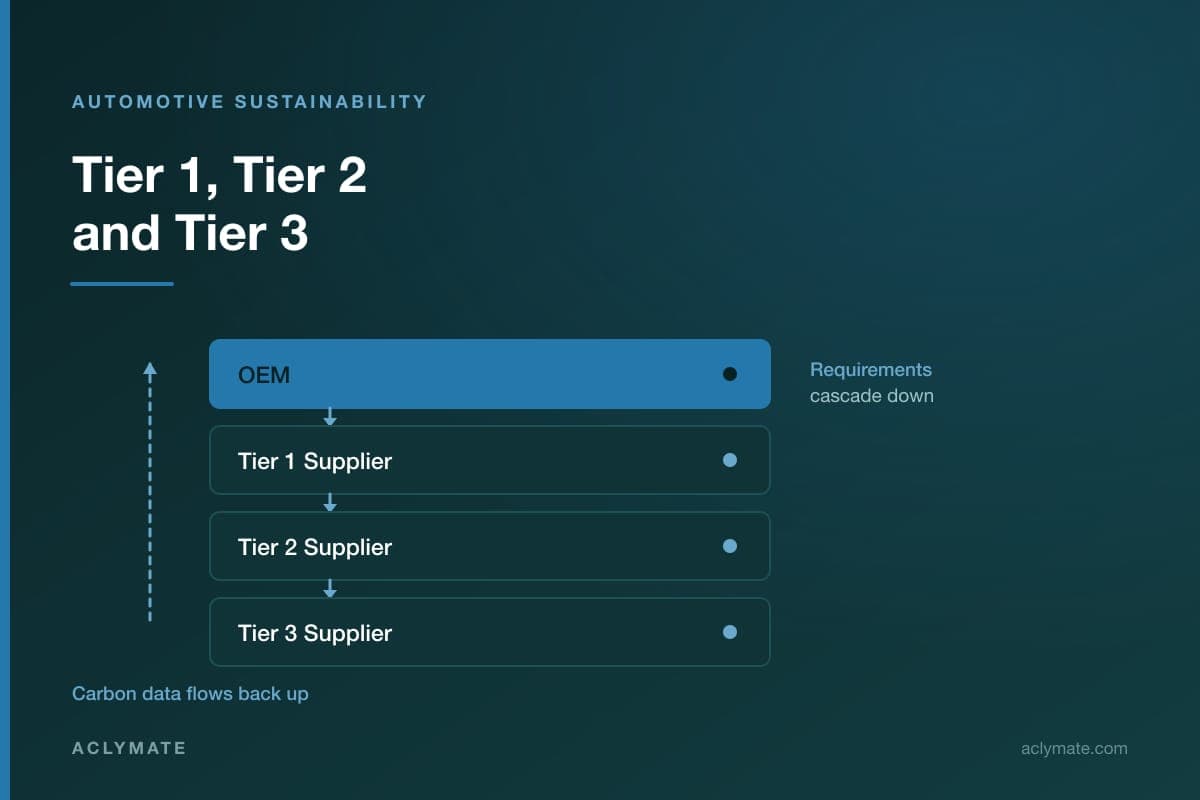
A practical sustainability guide for automotive suppliers covering emissions, Scope 3, customer requests, product footprints, questionnaires, and reporting.
Read Article
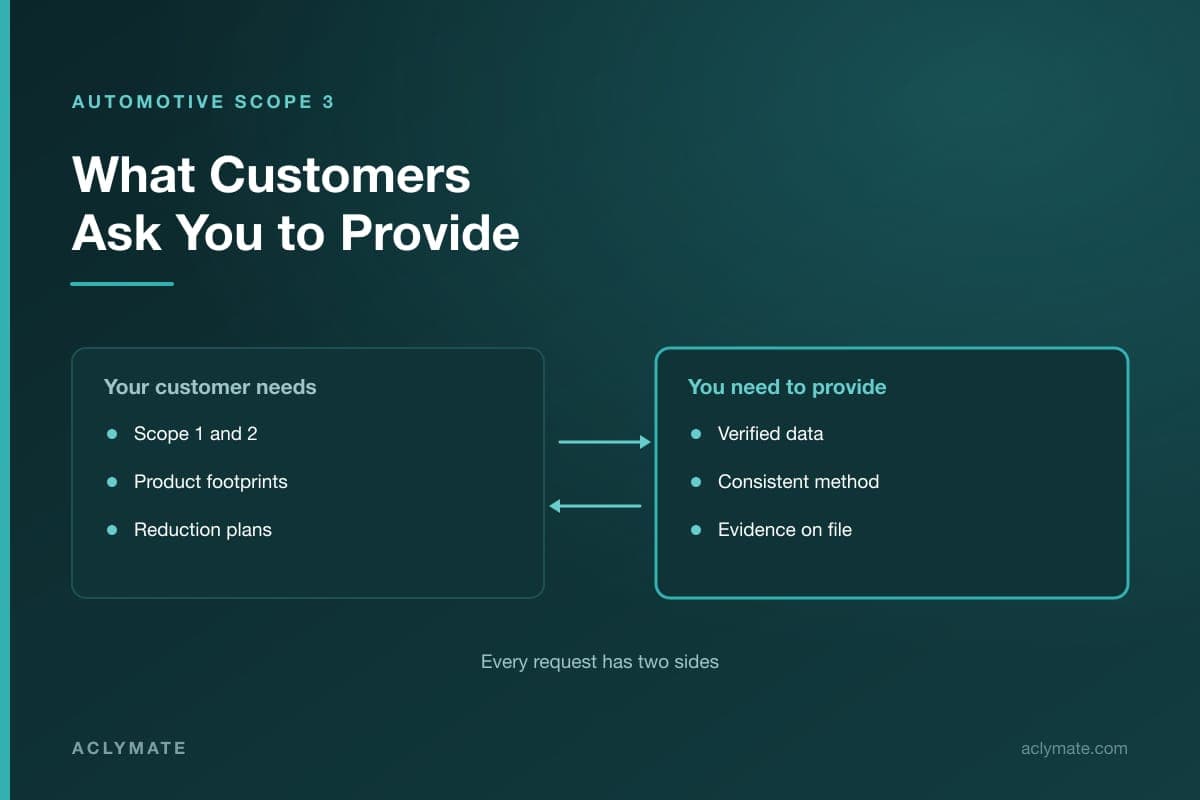
Learn what emissions and sustainability information automotive OEMs and customers may request from suppliers and how to prepare.
Read Article
Understand the sustainability information automotive OEMs may request from suppliers, including emissions, PCFs, questionnaires, EcoVadis, and reporting.
Read Article
Talk with a Sustainability Expert, see a demo, or start free to put the Aclymate platform and experts to work for your team.