← Back to Mike's Thoughts
Mike Smith
July 23, 2026
5 min read
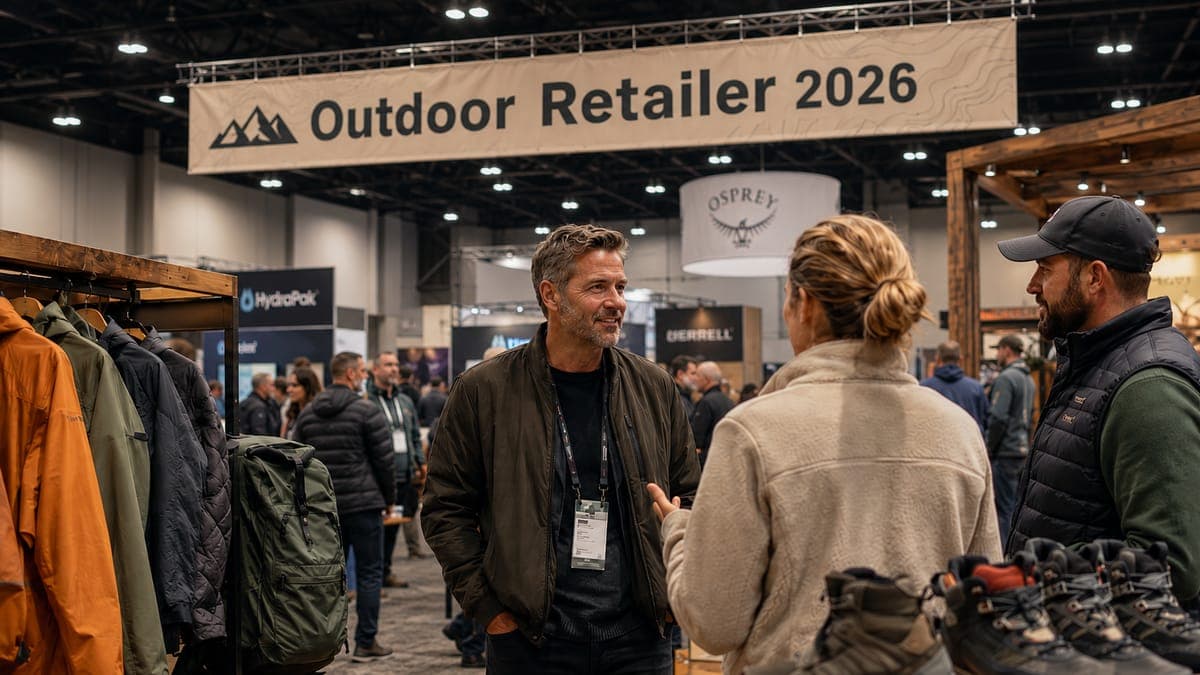
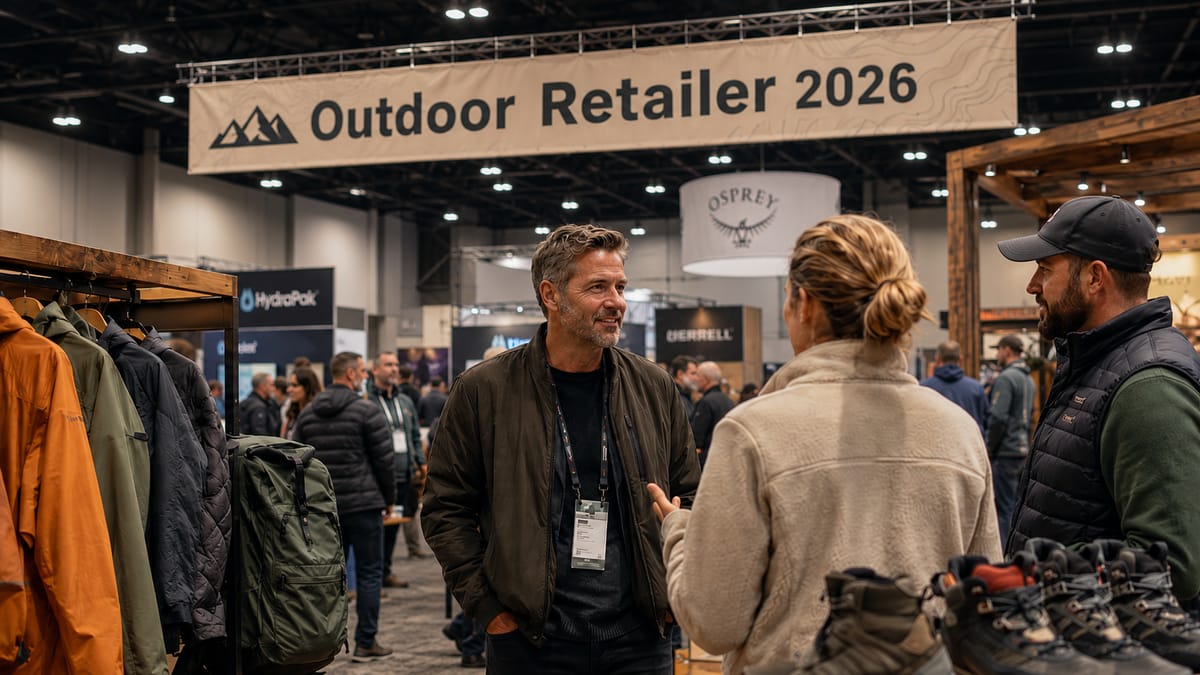
I’m heading to Minneapolis for Outdoor Retailer 2026, August 19–21.
I’m excited about the business conversations, of course. Outdoor Retailer brings together many of the brands, retailers, manufacturers and suppliers shaping the future of the outdoor industry.
But this event is also personal for me.
I love the outdoors. Forests have always been places where I can slow down, think clearly and reconnect with what matters.
When I founded Aclymate, I set out to help protect our forests and the wider natural environment by making sustainability practical for more businesses.
Not theoretical. Not limited to large corporations with big ESG departments. Practical enough for real companies to measure, manage and improve.
That is why I’m looking forward to spending a few days with the outdoor community.
Many outdoor brands have been working on sustainability for years.
They have invested in responsible materials, supplier transparency, product durability, repair programs, circular business models and lower-impact manufacturing. They have also been willing to acknowledge that the work is difficult and far from finished.
I look up to many of the CEOs and management teams leading these companies.
Nobody has solved every sustainability challenge. Apparel, footwear and outdoor equipment have complicated global supply chains. But many of these leaders have set a high bar and shown that sustainability can support product quality, customer loyalty and long-term business success.
I’m excited to hear what they have learned and what they believe the industry needs to do next.
The current Outdoor Retailer education agenda includes discussions about circularity, re-commerce, repair, waste reduction, supply chains and changing consumer expectations.
The event’s Industry Day is also intended to create honest conversations among brands, retailers and other industry leaders.
I’m especially interested in the practical questions behind those topics:
These are not always the most exciting questions. But they are often where sustainability programs succeed or fail.
A company can reduce office energy, limit travel and recycle more waste. Those efforts matter.
But for many outdoor apparel and footwear companies, most of the environmental impact occurs elsewhere:
That is why outdoor apparel sustainability requires more than good intentions. It requires cooperation across a supply chain that may include dozens or hundreds of companies.
Our guide to carbon accounting for manufacturers and apparel companies explains how Scope 3 emissions, fragmented systems and inconsistent supplier information make this work difficult.
I want to learn how outdoor companies are addressing those challenges in practice.
Are they collecting primary supplier data? Are they relying on estimates? Are requests becoming more standardized? Or are manufacturers still completing a different questionnaire for every customer?
There was a time when a company could publish a sustainability statement, introduce a recycled product and consider the job mostly done.
That time is over.
Retailers increasingly want visibility into what their vendors are doing. Customers want more specific proof. Regulations are expanding, and marketing teams need evidence behind environmental claims.
REI is a clear example. Its Product Impact Standards ask brand partners to assess their sustainability performance, measure greenhouse-gas emissions, establish reduction targets and implement action plans.
This shows that sustainability is no longer sitting at the edge of the retailer-supplier relationship. It is becoming part of how companies qualify and manage their business partners.
Our article on reporting sustainability and emissions to customers and partners explains why these requests are becoming a normal part of doing business.
Large outdoor companies may have dedicated teams, specialized consultants and sophisticated sourcing systems.
Most companies do not.
At a mid-sized brand, sustainability may be assigned to someone in operations, sourcing, compliance or marketing who already has a full-time job.
I wrote about this problem in Why Apparel Sustainability Fails at Mid-Sized Brands.
The expectations may be enterprise-level, but the resources are not. The result is often familiar:
The Outdoor Industry Association’s 2025 Sustainability Impact Report shows that the industry remains committed to climate, chemistry and compliance despite economic pressure and growing obligations.
That commitment is encouraging. But companies also need systems and processes they can realistically maintain.
A customer questionnaire is not a sustainability program.
Neither is a one-time carbon footprint, a recycled collection or a sustainability report that nobody updates.
A practical program needs:
I explored this problem in Sustainability Without Infrastructure Is Risky.
Without the underlying systems, even well-intentioned commitments can create operational and reputational risk.
This is also the problem we are working to solve at Aclymate. Our carbon accounting software helps companies measure emissions, organize supporting information, identify hotspots and prepare reports without building a large sustainability department from scratch.
I expect to leave Minneapolis with more questions than answers. That is usually a sign that a conference was worth attending.
I want to better understand:
Most of all, I want to hear directly from the people doing the work—the sustainability manager chasing supplier data, the operations leader who inherited a reporting deadline and the executive balancing purpose, costs and growth.
I’ll be at Outdoor Retailer from August 19–21.
I’d enjoy meeting outdoor brands, retailers, manufacturers and suppliers, whether you have a mature sustainability program or are just starting to understand what your customers are requesting.
I’m especially interested in talking about carbon accounting, Scope 3, supplier data, retailer reporting, product footprints, circularity and the realities of managing sustainability with a small team.
I’ll be there to learn. I’m also happy to share what we have learned helping companies make sustainability more practical.
Contact Aclymate to schedule time with me at Outdoor Retailer 2026.
Get Aclymate's practical sustainability content delivered weekly.
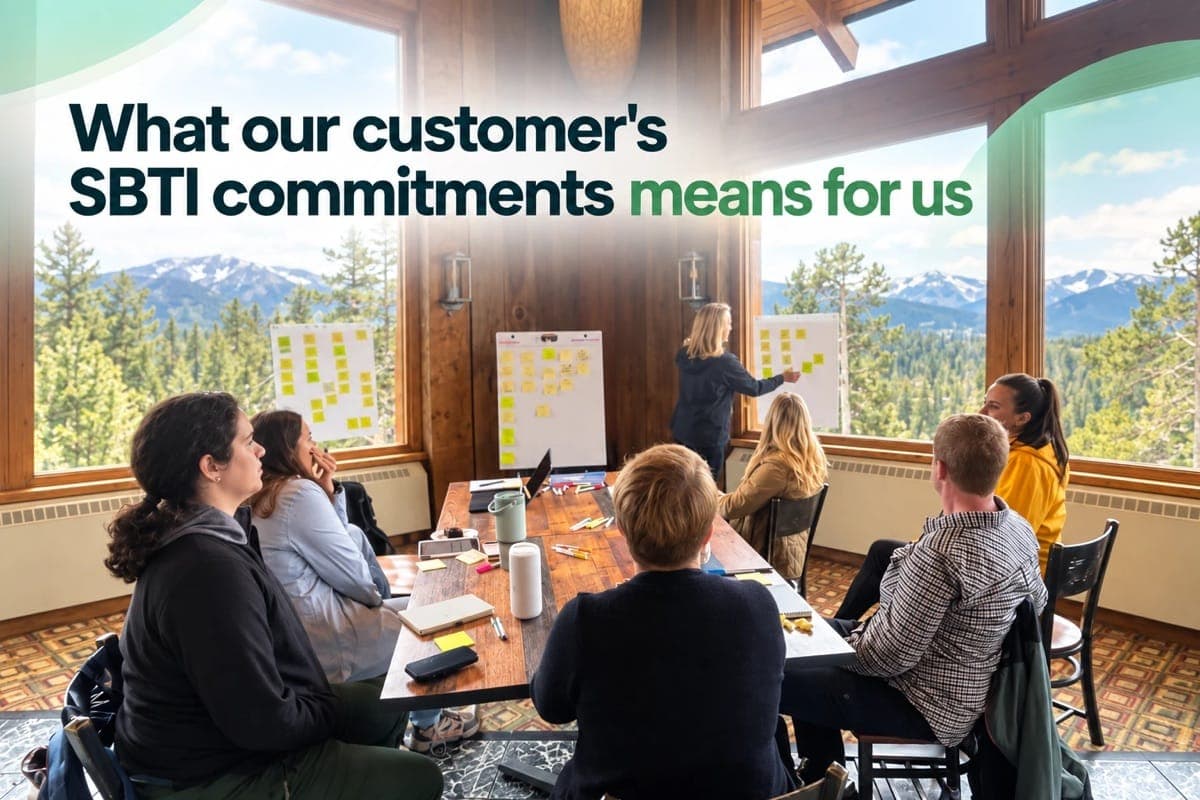
SBTi requirements are reshaping supply chains. Learn what science-based targets mean for carbon accounting, reporting, suppliers, and mid-sized companies.
Read Article
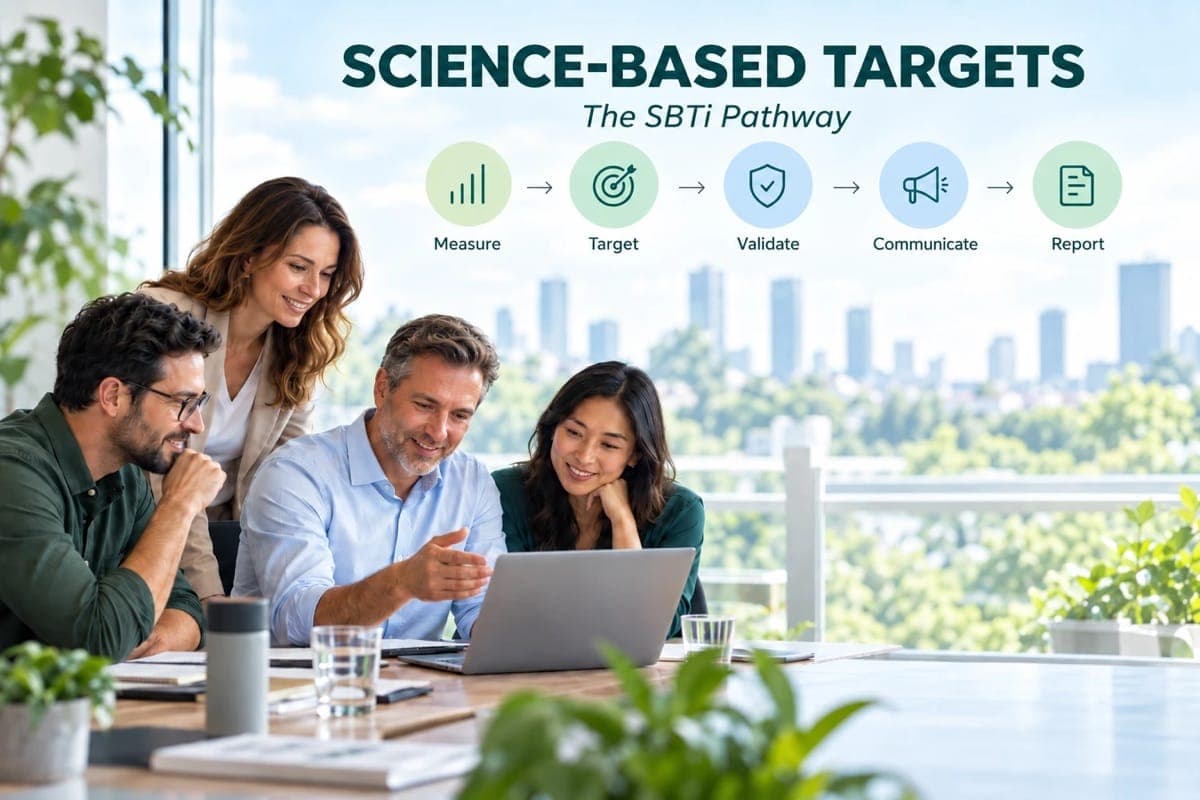
From carbon accounting to validation and annual reporting, here's what companies should expect before committing to SBTi.
Read Article
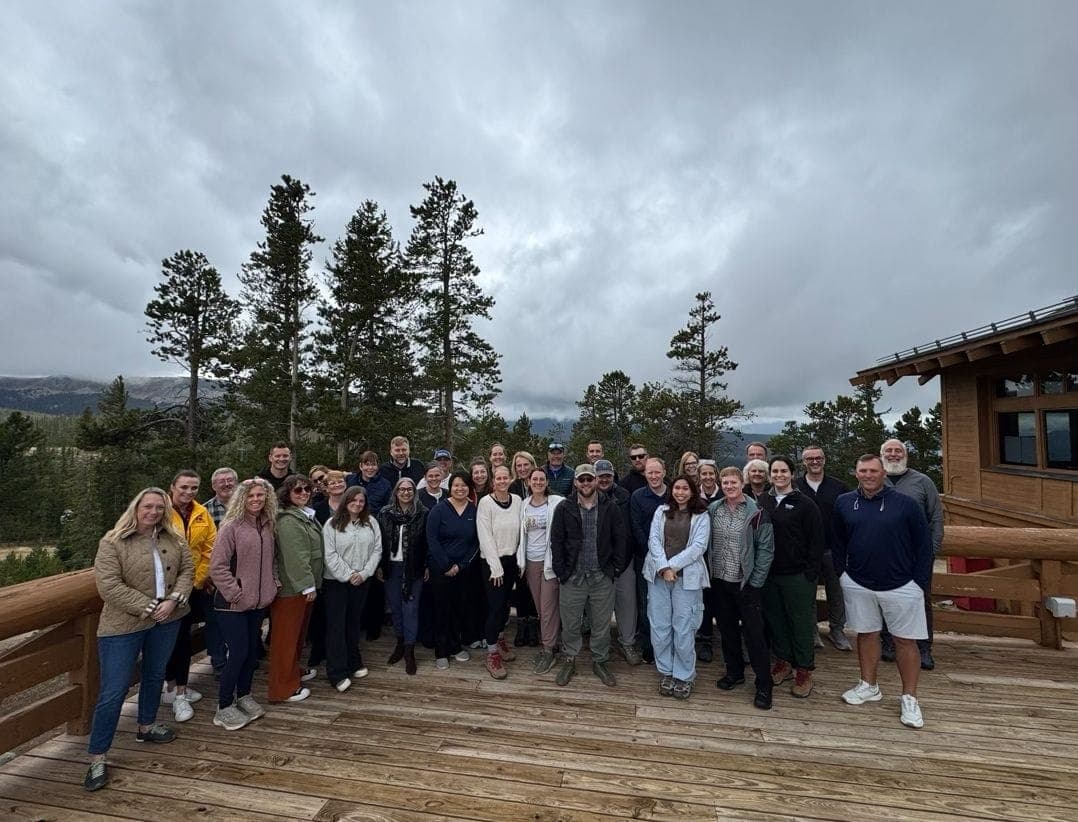
Last September I decided to host the first sustainability conference in the promotional products industry. Forty hours later at Winter Park, here's what we actually built — and what still has to happen.
Read Article
Talk with a Sustainability Expert, see a demo, or start free to put the Aclymate platform and experts to work for your team.