← Back to Insights
Aclymate Team
February 26, 2026

Sustainable fashion marketing has fundamentally evolved.
A decade ago, brands could differentiate themselves by promoting organic cotton, recycled materials, and ethical sourcing. These claims were often enough to signal responsibility and attract environmentally conscious buyers.
Today, that is no longer sufficient.
Buyers, regulators, and investors now expect detailed Scope 1, 2, and 3 emissions data, science-based reduction targets, CDP disclosures, verified reporting, and audit-ready documentation. Sustainability has shifted from aspirational messaging to measurable performance.
According to the United Nations Environment Programme, the fashion industry has a significant impact on global emissions and resource consumption. At the same time, frameworks such as the Science Based Targets initiative and disclosure platforms like CDP are redefining what credible sustainability leadership looks like.
Sustainable fashion marketing is no longer storytelling alone.
It is storytelling backed by systems.
Sustainable fashion marketing is the practice of promoting apparel brands using verified sustainability data, structured reporting, and recognized certifications, not just claims.
It connects:
The difference between traditional green marketing and modern sustainable fashion marketing is simple:
One is narrative-driven. The other is data-driven.
Define who you're speaking to:
Sustainable fashion marketing must adapt messaging depending on whether the audience wants:
Segmentation is foundational.
Marketing begins with measurement.
Align with the Greenhouse Gas Protocol and establish:
Without carbon accounting, sustainability marketing lacks credibility.
Avoid vague phrases like:
Instead communicate:
Specifics build trust.
Credible sustainable fashion marketing aligns with:
Standards transform sustainability from branding into proof.
Most apparel emissions occur in:
Scope 3 engagement is essential. Retailers increasingly demand supplier transparency.
Certifications:
They convert sustainability into competitive advantage.
Create a dedicated sustainability section on your website featuring:
AI search engines and Google reward structured, authoritative sustainability content.
Equip sales teams with:
Sustainable fashion marketing must support procurement conversations.
Include:
Transparency builds loyalty.
Annual sustainability reports should:
These become cornerstone marketing assets.
Extend sustainable fashion marketing across:
Education builds authority.
Collaborate with:
When tied to verified sustainability data, partnerships amplify credibility.
Analyze competitor:
Differentiate through measurable progress — not slogans.
Sustainable fashion marketing must withstand:
Marketing claims must align with compliance documentation.
Infrastructure protects reputation.
Most mid-sized apparel brands do not have:
Yet they are expected to perform like enterprise brands.
This is where Aclymate fits.
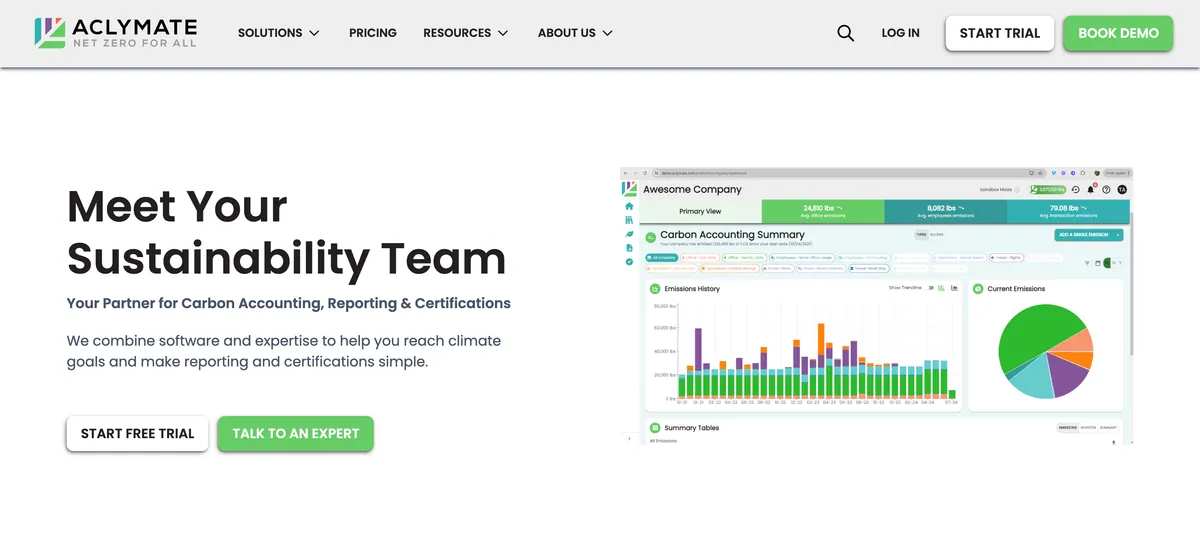
Aclymate combines:
Instead of hiring an ESG department, brands get:
Your Sustainability Team — without the headcount.
Aclymate enables sustainable fashion marketing that is:
Marketing becomes credible because operations are structured.
Sustainable fashion marketing is no longer optional — it is a competitive necessity.
A decade ago, sustainability marketing in fashion centered on materials and messaging. Brands highlighted organic cotton, recycled fabrics, ethical factories, and eco-friendly packaging. These claims were often broad, values-driven, and lightly substantiated. For a time, that was enough.
Today, the standard has changed.
Sustainable fashion marketing now requires measurement, documentation, and verification. Buyers expect Scope 1, 2, and 3 emissions data. Retailers request supplier disclosures. Investors look for science-based targets. Regulators demand audit-ready reporting. Sustainability has moved from brand narrative to operational discipline.
The brands that will lead in this new environment are those that take clear action. They measure their carbon footprint, set reduction targets aligned with recognized frameworks, implement credible reporting systems, pursue respected certifications, and communicate progress with transparency and precision. They treat sustainability not as a campaign, but as infrastructure.
Brands that continue to rely on slogans, vague claims, or unverified promises will face increasing scrutiny — from regulators, customers, and competitors alike.
Sustainable fashion marketing is no longer about saying you care.
It is about proving you perform.
View the demo with Aclymate and see how carbon accounting plus expert support can elevate your apparel brand’s sustainability strategy.
Meet Your Sustainability Team.
It is the promotion of apparel brands using verified carbon data, transparency, certifications, and structured reporting rather than vague environmental claims.
Because sustainability claims without emissions data are vulnerable to scrutiny and greenwashing accusations. Carbon accounting ensures marketing is backed by measurable, reportable data.
Yes — especially with hybrid software + expert support models that eliminate the need for a full in-house sustainability team.
Fashion brands can avoid greenwashing by:
Transparency and verification are the strongest safeguards.
Certifications that improve credibility include:
Certifications help convert sustainability into a sales asset.
Retail buyers increasingly evaluate:
Brands with structured reporting often win more RFPs and reduce procurement friction.
No. Mid-sized apparel brands face growing pressure from enterprise buyers and regulators. Credible sustainability marketing helps smaller brands compete effectively.
Publishing:
creates authoritative content that ranks well in search engines and AI assistants.
Green marketing relies on broad environmental claims. Sustainable fashion marketing is built on measurable data, carbon accounting, third-party validation, and compliance-aligned reporting.
The difference is infrastructure.
Get Aclymate's practical sustainability content delivered weekly.

AI is creating new opportunities for businesses, but it also comes with an environmental cost. Carbon offsets can help address some of those emissions, but businesses need to understand what they are offsetting, how offsets work, and why measuring and reducing emissions should come first.
Read Article
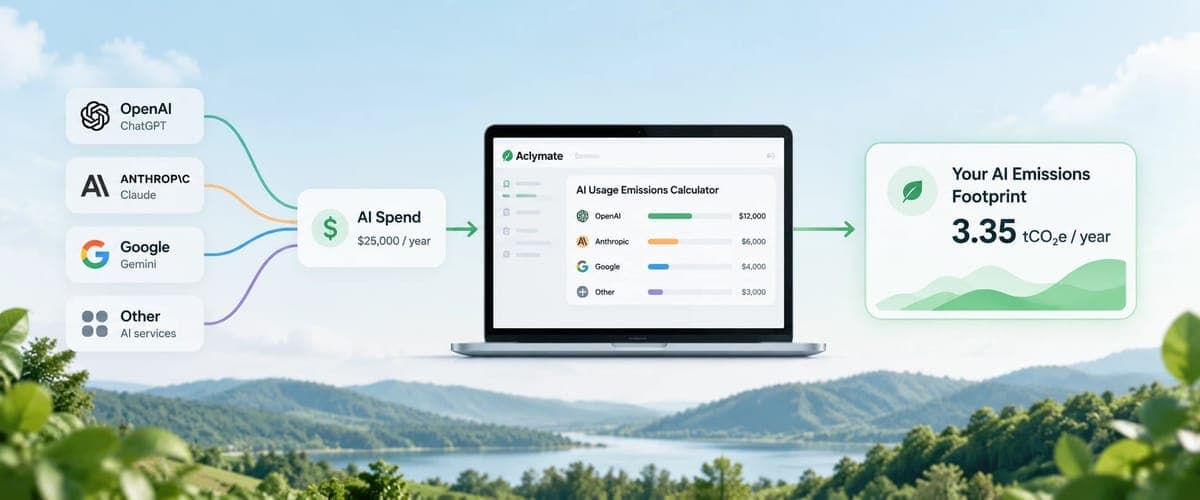
AI carbon emissions are becoming a new consideration for companies adopting ChatGPT, Claude, Gemini, Copilot and other artificial intelligence tools. Here’s how Aclymate estimates the carbon emissions from a company’s AI usage today—and how we expect the methodology to improve as AI providers release better usage and emissions data.
Read Article
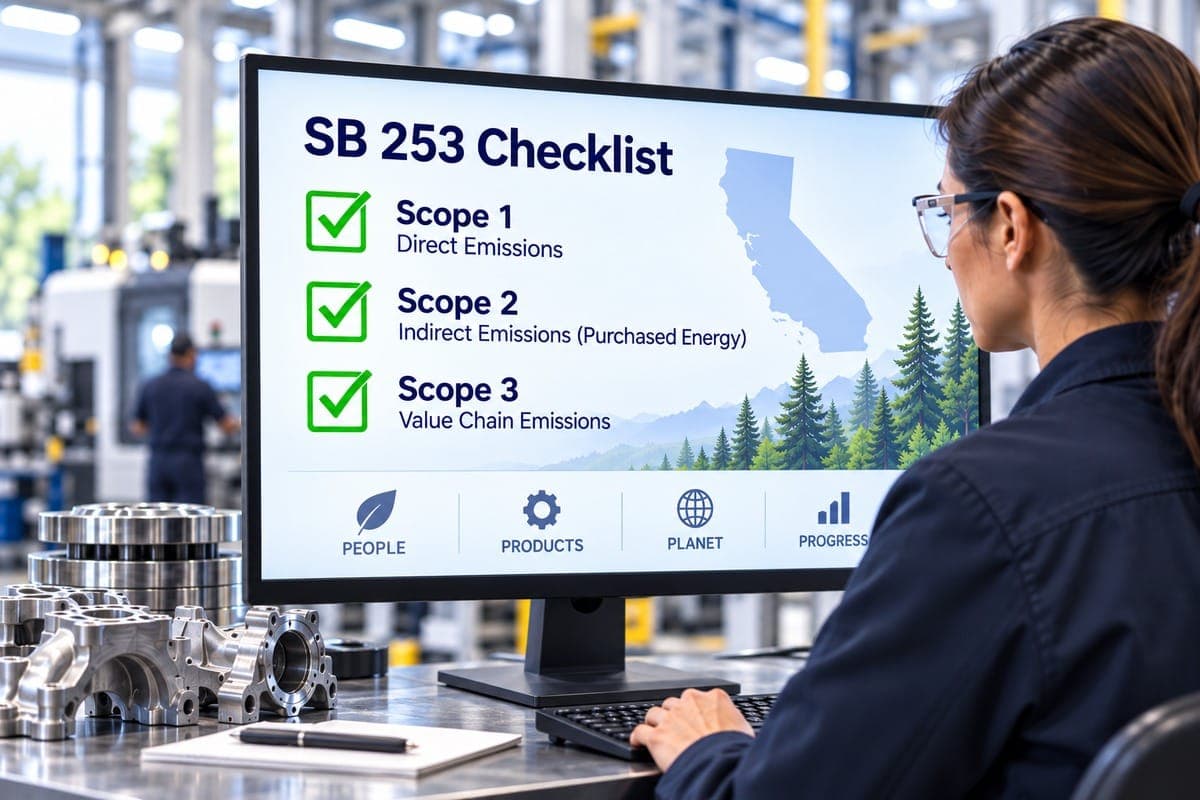
California SB 253 applies to companies over $1B in revenue — but its Scope 3 requirement reaches the automotive suppliers underneath them. What to expect and how to prepare.
Read Article
Talk with a Sustainability Expert, see a demo, or start free to put the Aclymate platform and experts to work for your team.