← Back to Insights
Ariel Le
July 25, 2025

A circular economy represents an economic framework designed to reduce waste and optimize resource utilization. Unlike traditional linear models—where products follow a make-use-discard pattern—circular systems emphasize reuse, repair, and recycling instead of disposal.
While the foundational concepts emerged mid-twentieth century, widespread adoption didn't occur until the late twenty-first century. The model aims to establish closed-loop systems where "resources are continually cycled, reducing the need for new raw materials and minimizing environmental impact through innovative design."
Circular economies address critical environmental, economic, and social challenges. Key benefits include:
Product-as-a-Service (PaaS): Companies rent or lease products rather than selling them, maintaining ownership and incentivizing maintenance. Examples: Zipcar, HP machinery leasing.
Product Life Extension: Emphasizes durability through design for repairability, upgradability, and recyclability. Examples: Patagonia, Apple.
Design for Recycling: Redesigns products and manufacturing processes to maximize material recoverability, often partnering with specialized recycling firms. Examples: IKEA, Sephora.
Closing the Loop: Sources renewable, recyclable, or biodegradable materials while working with sustainable suppliers and reducing transportation emissions. Examples: Unilever, Allbirds.
Transitioning to circular models represents a forward-thinking strategy delivering long-term value. By adopting these flexible, tailored approaches, companies reduce environmental impact while unlocking cost savings, strengthening brand loyalty, and accessing new market opportunities.
Get Aclymate's practical sustainability content delivered weekly.

AI is creating new opportunities for businesses, but it also comes with an environmental cost. Carbon offsets can help address some of those emissions, but businesses need to understand what they are offsetting, how offsets work, and why measuring and reducing emissions should come first.
Read Article
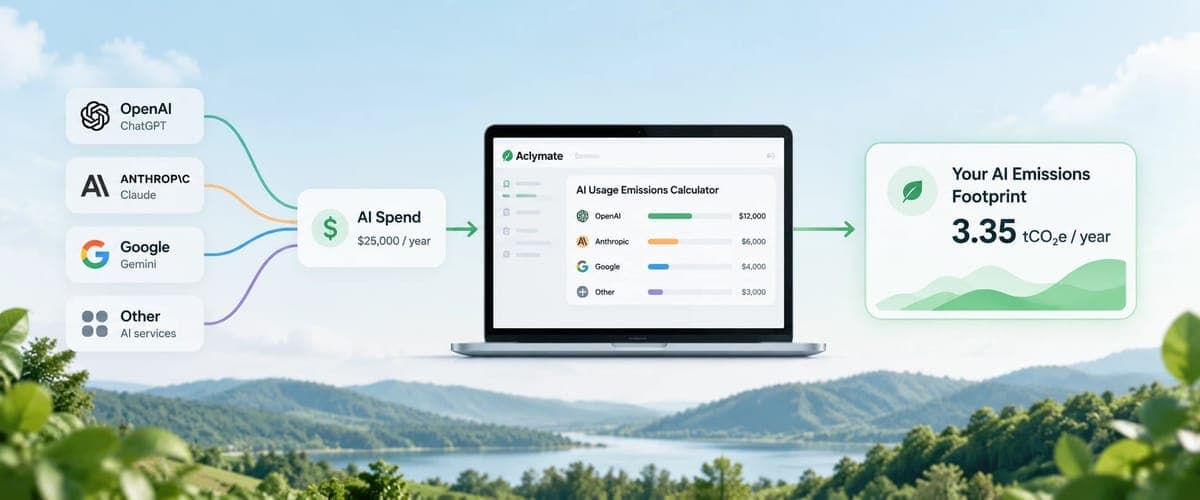
AI carbon emissions are becoming a new consideration for companies adopting ChatGPT, Claude, Gemini, Copilot and other artificial intelligence tools. Here’s how Aclymate estimates the carbon emissions from a company’s AI usage today—and how we expect the methodology to improve as AI providers release better usage and emissions data.
Read Article
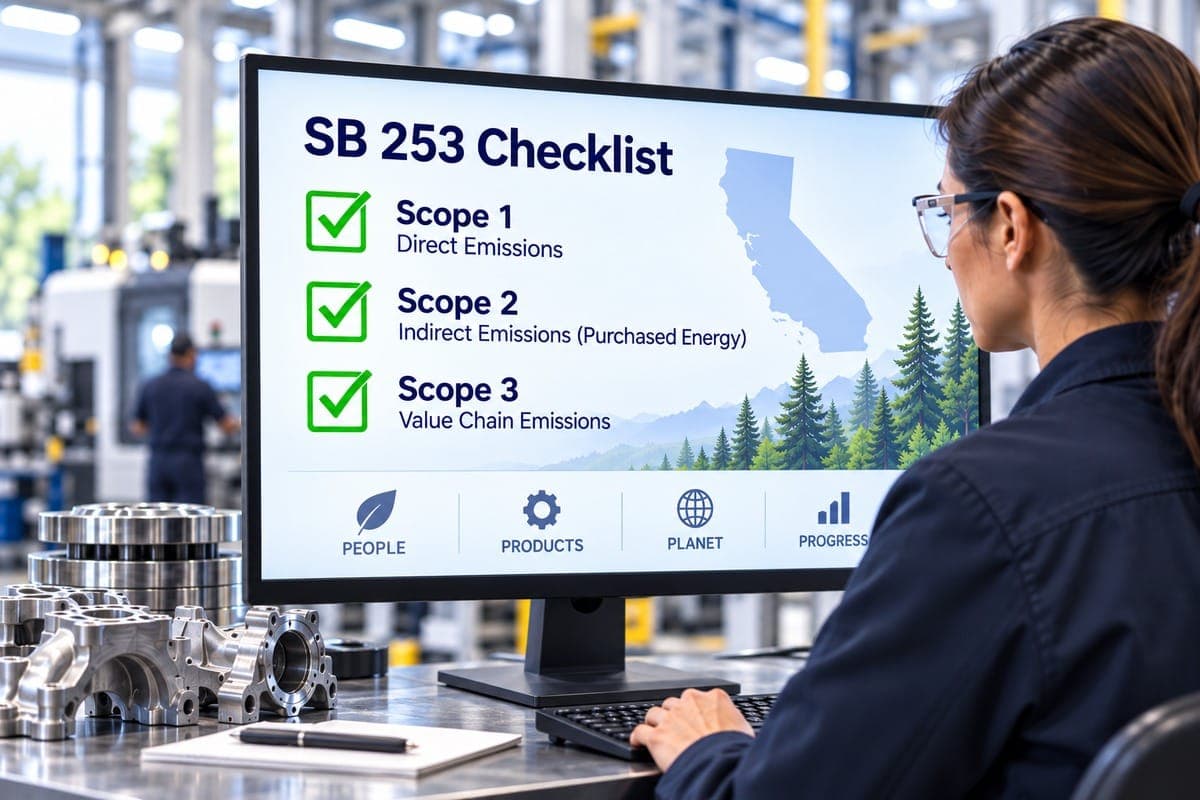
California SB 253 applies to companies over $1B in revenue — but its Scope 3 requirement reaches the automotive suppliers underneath them. What to expect and how to prepare.
Read Article
Talk with a Sustainability Expert, see a demo, or start free to put the Aclymate platform and experts to work for your team.