← Back to Insights
Mike Smith
October 10, 2023

If you’re here, you probably had a little surprise dropped in your lap – your boss, a client, or both – now need your company to report its impact on the climate and they’re expecting you to provide a report on it soon. Perhaps you’re a B Corp, and you just learned about the need to report your emissions every year and to reduce them by 50% by 2030, but you’re not even sure what your company’s emissions are now.
That’s stressful. You care about the climate and you want to do a good job, but this feels easy to screw up. The language is confusing and technical, the data entry requirements seem excessive, and you’re not really sure that you’re going to be able to figure it out in time to meet the requirements.
Well, you are not alone and thankfully, there are a few choices for you to consider that can make it a little easier to discover and report your climate accounting. Here is a list of three different categories, each with a few options that other people like you have used and their strengths and weaknesses:
Get Aclymate's practical sustainability content delivered weekly.

AI is creating new opportunities for businesses, but it also comes with an environmental cost. Carbon offsets can help address some of those emissions, but businesses need to understand what they are offsetting, how offsets work, and why measuring and reducing emissions should come first.
Read Article
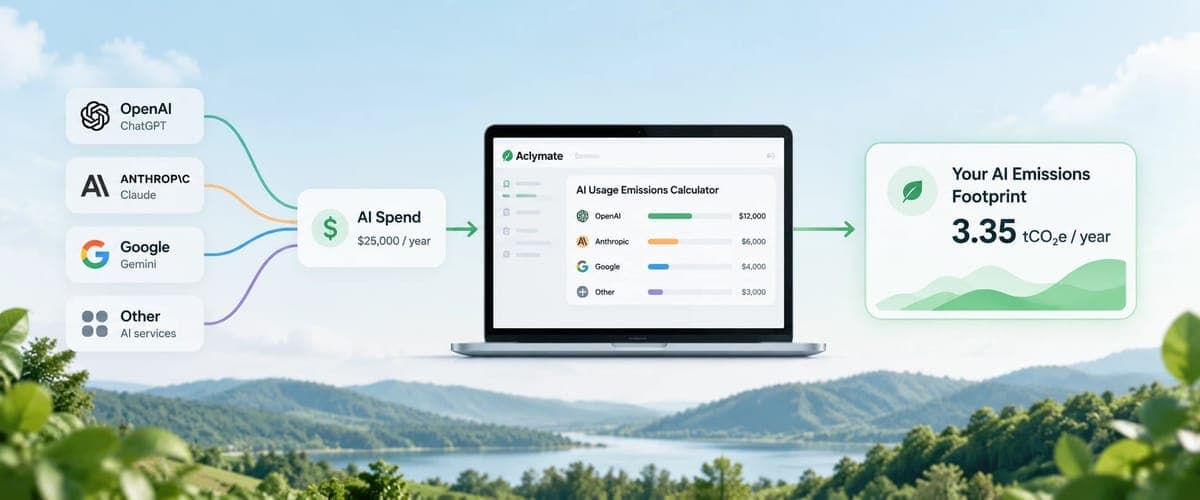
AI carbon emissions are becoming a new consideration for companies adopting ChatGPT, Claude, Gemini, Copilot and other artificial intelligence tools. Here’s how Aclymate estimates the carbon emissions from a company’s AI usage today—and how we expect the methodology to improve as AI providers release better usage and emissions data.
Read Article
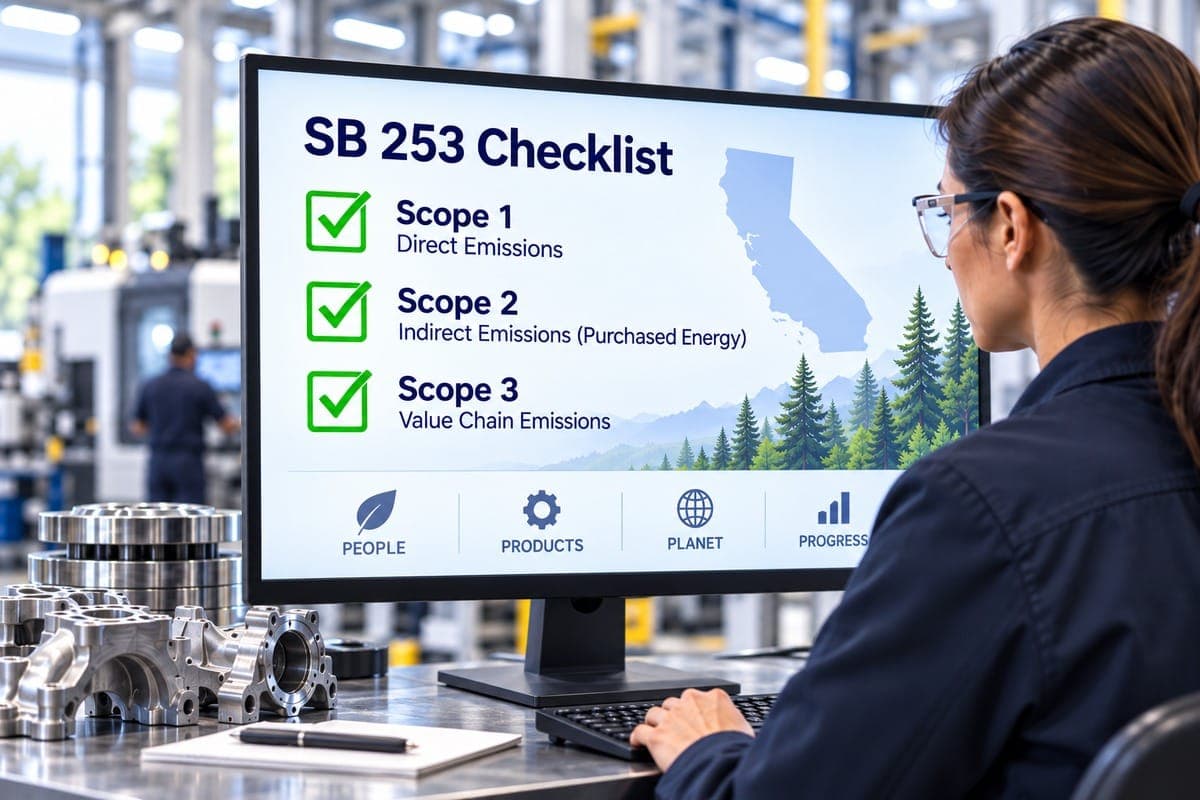
California SB 253 applies to companies over $1B in revenue — but its Scope 3 requirement reaches the automotive suppliers underneath them. What to expect and how to prepare.
Read Article
Talk with a Sustainability Expert, see a demo, or start free to put the Aclymate platform and experts to work for your team.