← Back to Insights
Karenna Bryan
February 23, 2024
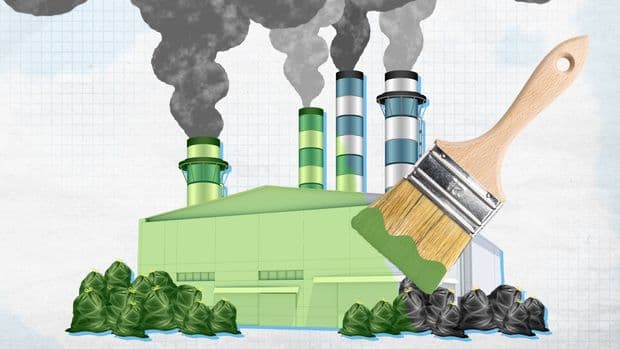
Have you ever walked into a grocery store and seen items with green packaging or a product that’s labeled as “sustainable”? While some brands are legitimately sustainable, other brands create products with green packaging as a marketing gimmick. This is an example of greenwashing.
The term greenwashing was coined in the 1980s by environmentalist Jay Westerveld. Westerveld first used this term on a research trip to Samoa, but he stopped in Fiji. He noticed that the resort asked customers to reuse their towels in an effort to stop ecological damage. He found it ironic since the resort was expanding and building more bungalows. He wrote an essay about his experience and thus the term greenwashing was born.
With climate change becoming a more popular topic, consumers are ready to go green. According to Forbes, ⅔ of consumers are willing to pay more for sustainable products. With this in mind, some companies will allure consumers with “ecologically-friendly” products in order to increase revenue. However, they may not be telling the full truth of their products.
The Federal Trade Commission works to protect consumers from unfair business that could mislead consumers. Since 1992, the FTC has begun to regulate greenwashing and has filed lawsuits to different companies who break their environmental marketing guidelines.
A few larger companies have been accused of greenwashing such as Coca-Cola and Nestle. Coca-Cola raised questions in 2020 when it refused to remove plastic bottles as it was “popular with consumers”. Nestle faced similar backlash when it came to their packaging. In 2018, the company set a goal for its packaging to be 100% recycled by 2025. However, since that statement no change or plan has been released by the company. Nestle and Coca-Cola are the top plastic polluters in the world.
Get Aclymate's practical sustainability content delivered weekly.

AI is creating new opportunities for businesses, but it also comes with an environmental cost. Carbon offsets can help address some of those emissions, but businesses need to understand what they are offsetting, how offsets work, and why measuring and reducing emissions should come first.
Read Article
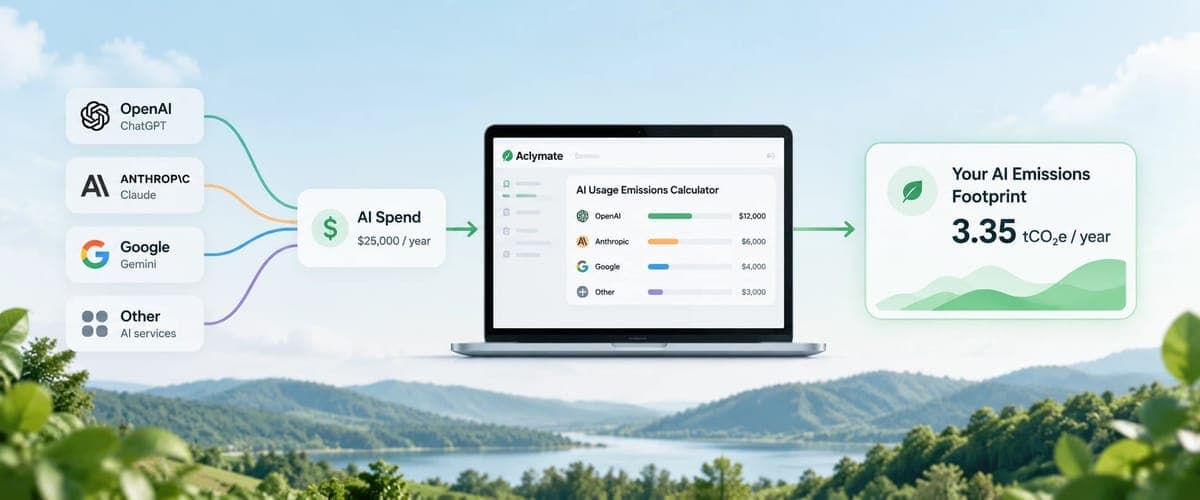
AI carbon emissions are becoming a new consideration for companies adopting ChatGPT, Claude, Gemini, Copilot and other artificial intelligence tools. Here’s how Aclymate estimates the carbon emissions from a company’s AI usage today—and how we expect the methodology to improve as AI providers release better usage and emissions data.
Read Article
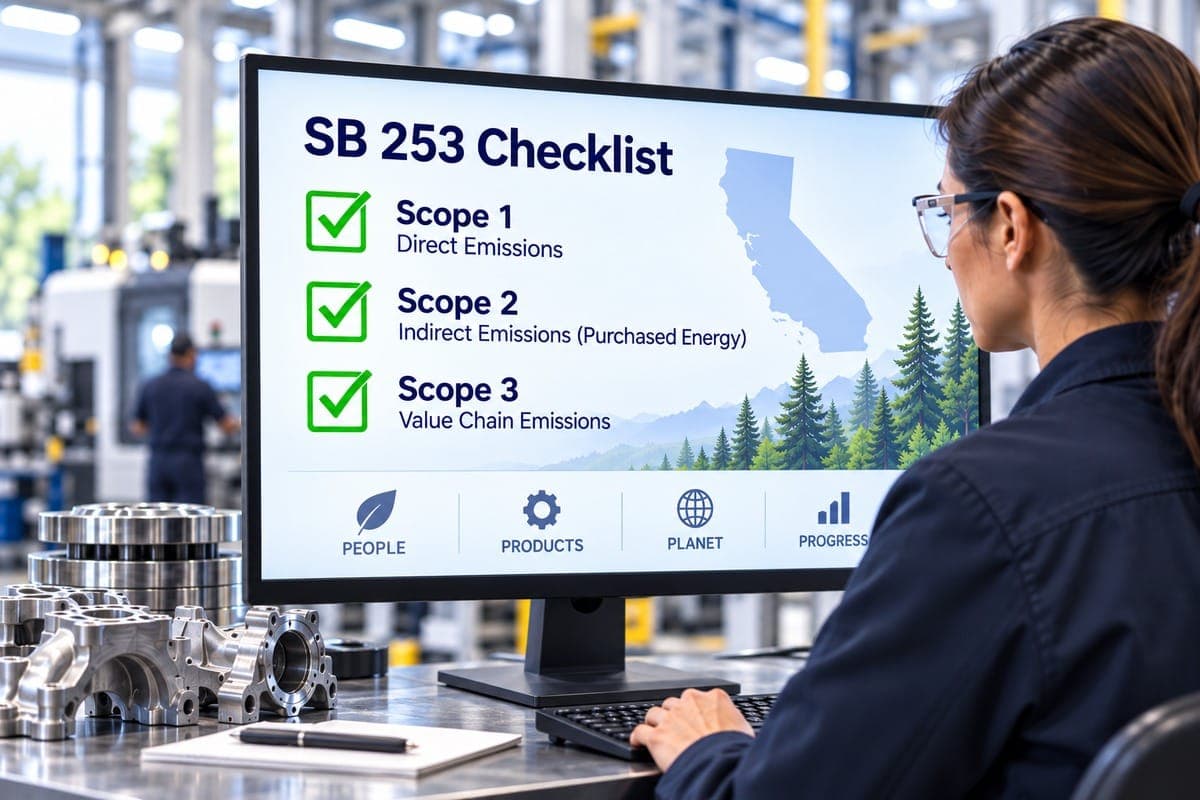
California SB 253 applies to companies over $1B in revenue — but its Scope 3 requirement reaches the automotive suppliers underneath them. What to expect and how to prepare.
Read Article
Talk with a Sustainability Expert, see a demo, or start free to put the Aclymate platform and experts to work for your team.