As the urgency to address climate change grows, organizations across industries are under increasing pressure to account for and reduce their carbon footprints. Carbon accounting, a fundamental aspect of sustainability reporting, helps businesses understand their greenhouse gas emissions (GHG) and implement strategies to mitigate their environmental impact. Two primary methods for estimating carbon emissions, spend-based and activity-based accounting, offer distinct advantages and limitations.
The Fundamentals of Carbon Accounting
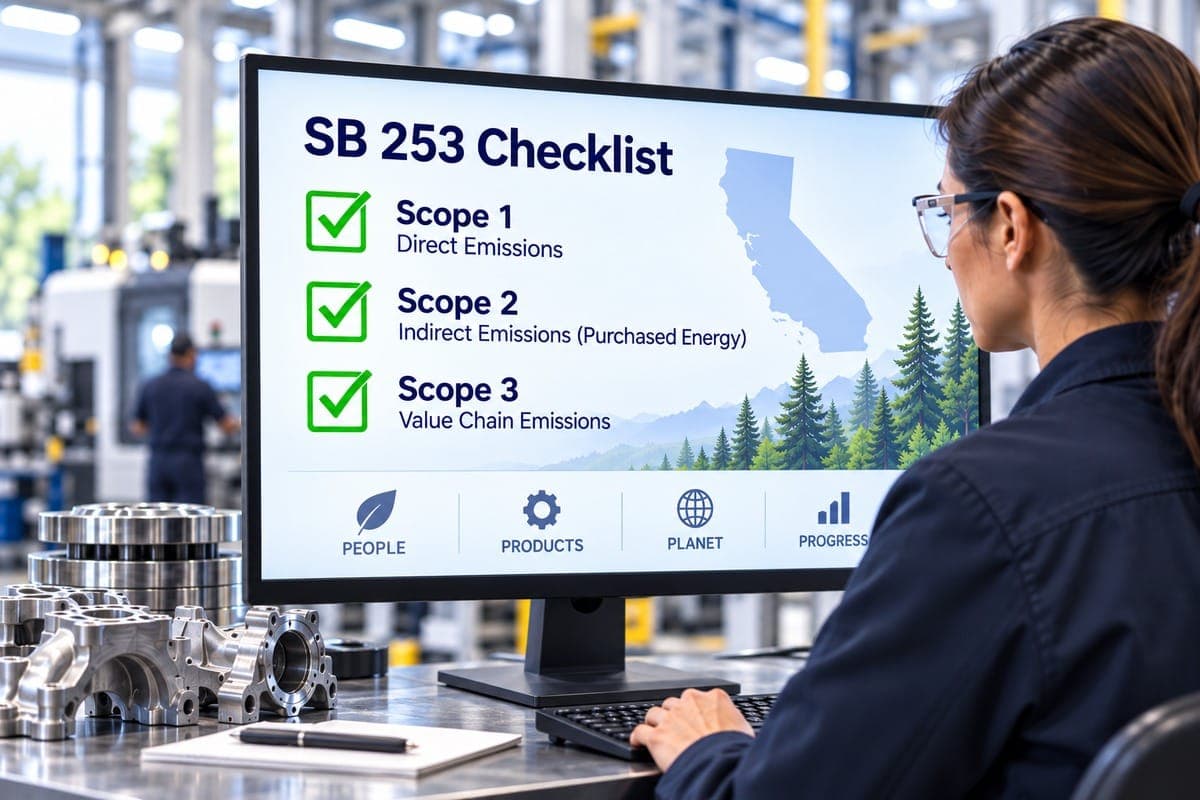
Carbon accounting involves measuring, tracking, and reporting an entity's greenhouse gas emissions. Typically, emissions are categorized into three scopes:
- Scope 1: Direct emissions from owned or controlled sources (e.g., company vehicles, manufacturing processes)
- Scope 2: Indirect emissions from purchased electricity, steam, heating, or cooling
- Scope 3: Indirect emissions from an organization's value chain, including supplier activities, product use, and transportation
Spend-Based Carbon Accounting: Simplicity with Generalization
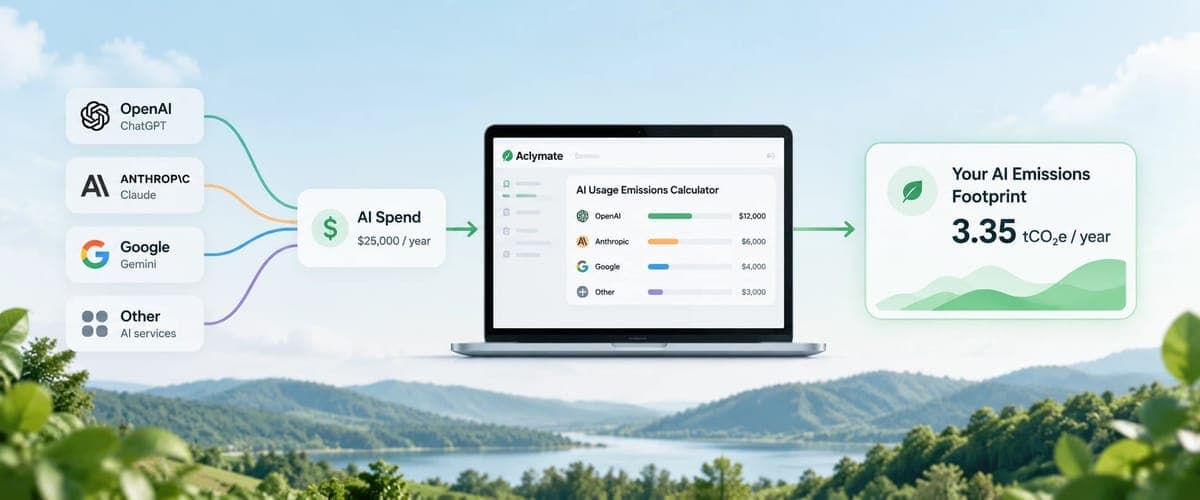
The spend-based approach estimates carbon emissions by applying emission factors to financial expenditures. This method assesses how much a company spends on goods or services and assigns an industry-average emissions factor to that expenditure.
How It Works
- Data Collection: Organizations collect financial transaction data, categorizing expenses by vendor and industry type
- Emission Factor Application: Predefined emission factors are assigned to each spending category
- Carbon Footprint Calculation: The financial expenditure is multiplied by the corresponding emissions factor to estimate total emissions
Advantages of Spend-Based Accounting
- Ease of Implementation: Since financial data is readily available, this method allows organizations to quickly estimate emissions without requiring extensive operational data
- Broad Coverage: This approach enables organizations to assess emissions across various activities, especially for indirect Scope 3 emissions, where detailed operational data might be scarce
- Cost-Effective: It minimizes the need for resource-intensive data collection efforts
Limitations of Spend-Based Accounting
- Lower Accuracy: Emission factors are industry-wide averages, meaning they do not capture variations between suppliers or differences in production efficiency
- Lack of Granularity: The method does not differentiate between vendors offering identical products with varying emissions intensities
- Inability to Track Specific Reduction Efforts: Since emissions are estimated based on spending rather than actual activities, it is difficult to measure the impact of sustainability initiatives accurately
Activity-Based Carbon Accounting: Precision with Complexity
Activity-based accounting estimates carbon emissions using detailed operational data, such as fuel consumption, energy usage, or transportation miles. Instead of applying financial expenditure to broad emission factors, this method uses specific data points to determine emissions more precisely.
How It Works
- Data Collection: Organizations gather direct operational data, such as liters of fuel consumed, kilowatt-hours of electricity used, or distance traveled by vehicles
- Emission Factor Application: Activity-specific emission factors are applied to each measured unit
- Carbon Footprint Calculation: Multiplying the actual activity data by precise emission factors provides a more accurate estimate of emissions
Advantages of Activity-Based Accounting
- Higher Accuracy: This approach yields more precise emissions calculations by relying on specific operational data rather than industry averages
- Granularity & Comparability: Companies can compare emissions between suppliers, production processes, or transportation methods, allowing for more targeted sustainability efforts
- Supports Reduction Strategies: By identifying the actual sources of emissions, businesses can better track improvements and tailor sustainability initiatives effectively
Limitations of Activity-Based Accounting
- Data Collection Challenges: Gathering detailed activity data requires significant effort, resources, and supplier cooperation
- Higher Costs: Organizations may need specialized software, dedicated sustainability teams, or third-party audits to collect and process the necessary data
- Potential Gaps in Coverage: While more precise, activity-based accounting may be incomplete if certain operational data is unavailable or difficult to measure
Choosing the Right Approach: Balancing Accuracy and Feasibility
The decision between spend-based and activity-based accounting depends on an organization's priorities, data availability, and reporting requirements.
When to Use Spend-Based Accounting
- Organizations that are new to carbon accounting and need a rapid, high-level estimate
- Businesses without direct access to detailed activity data, especially for Scope 3 emissions
- Companies looking for a cost-effective way to benchmark emissions before transitioning to more precise tracking
When to Use Activity-Based Accounting
- Companies seeking precise emissions data to inform reduction strategies and supplier selection
- Organizations with access to detailed operational data and the ability to integrate sustainability tracking into business processes
- Businesses required to report highly accurate emissions data due to regulatory or investor demands
Conclusion
Both spend-based and activity-based carbon accounting methods are essential tools for organizations looking to measure and manage their emissions effectively. While the spend-based approach provides a broad, cost-effective estimate, it lacks the precision of the activity-based method, which offers detailed insights but requires more complex data collection. By carefully selecting the right approach, or leveraging a combination of both, businesses can make informed sustainability decisions and drive meaningful progress toward a low-carbon future.