← Back to Insights
Ariel Le
May 2, 2025
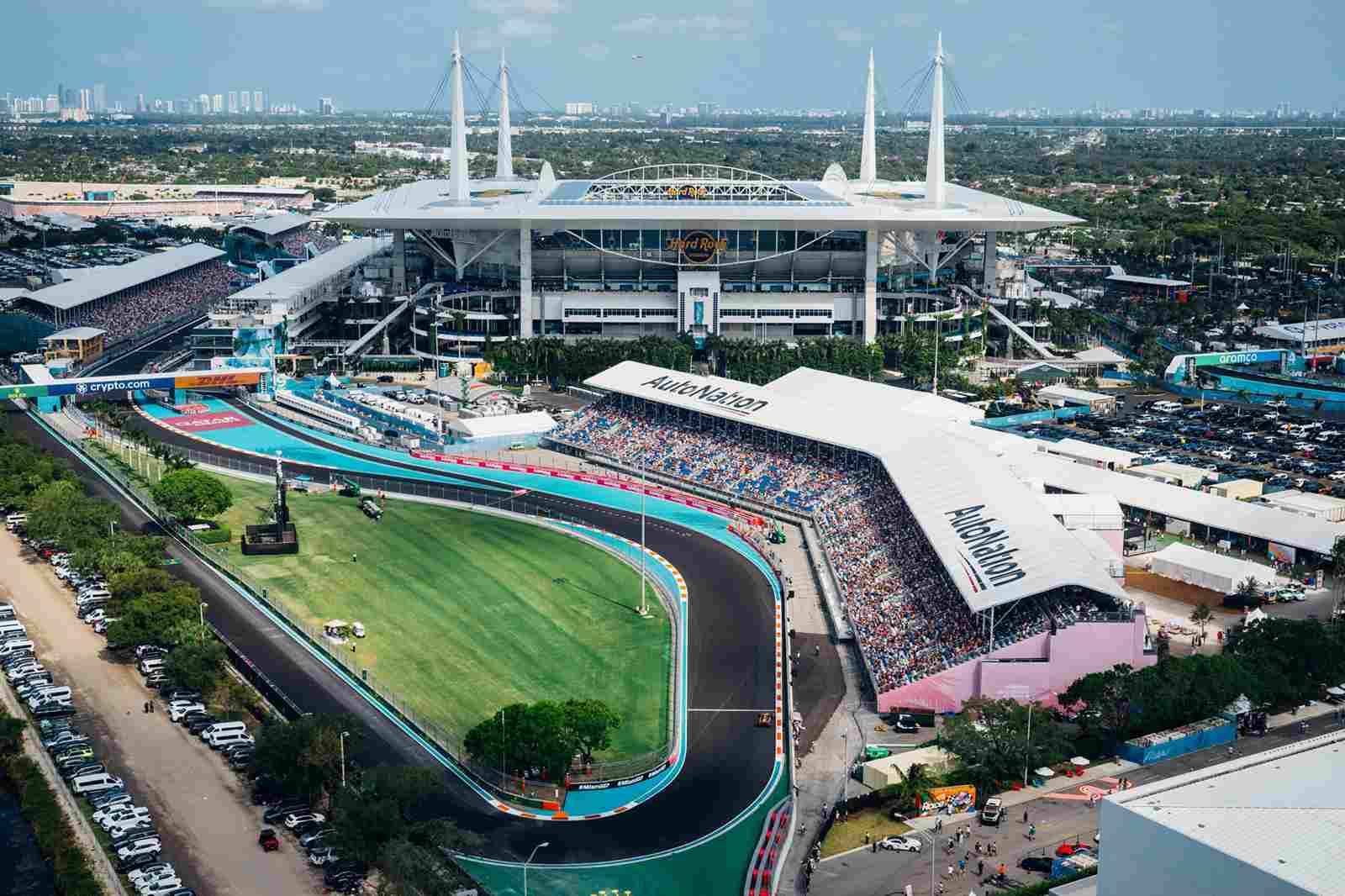
Formula 1, established in 1950, stands as motorsport's premier racing competition. The term "Formula" describes the racing division structure, while "1" designates it as the top tier. The sport combines driver expertise with pit crew efficiency in a team-based format where competitors pursue the F1 Drivers' Championship and Constructors' Championship. This year's calendar includes 24 races across 21 countries, with the Miami Grand Prix arriving next weekend.
F1 committed to environmental responsibility through its 2019 sustainability strategy, pledging to achieve net-zero carbon operations by 2030 using 2018 as the baseline year. The organization outlined ambitious targets: every race becoming an F1 Sustainability Spectacle by 2025, and complete carbon neutrality by 2030 encompassing "factory to flag" operations.
The company's 2023 impact report revealed a carbon footprint of 256,551 tonnes of CO2e—representing a 13% reduction from baseline levels. Travel and logistics emerged as the largest emission sources. F1 identified three key reduction strategies: alternative fuel investment, paddock energy consumption solutions, and technology innovation to minimize transportation reliance.
To achieve the required 50% emissions reduction by 2030, F1 must cut an additional 37% of greenhouse gas emissions within five and a half years. March 2024 updates documented progress including Sustainable Aviation Fuel conversion, expanded low-carbon energy generators, and Forest Stewardship Council-certified tire adoption.
The Miami Grand Prix, inaugural in 2022, features a three-day event culminating in a race at Miami International Autodrome. The circuit encompasses 19 corners, 3 straights, and 57 laps contested by 20 drivers from 10 teams.
A rough emissions estimate for race day calculations:
This equals emissions comparable to a Miami-to-New York road trip. However, the complete carbon impact extends beyond racing to include team transportation, equipment logistics, facility energy consumption, catering, and spectator travel. The Miami Grand Prix implements mitigation strategies through green transportation incentives, food surplus donation programs, and sustainable material partnerships.
While the Miami Grand Prix generates substantial carbon emissions, F1's long-term sustainability strategy demonstrates genuine commitment to environmental responsibility. The organization acknowledges that considerable work remains to meet 2030 targets. Balancing motorsport's excitement with climate obligations presents an ongoing challenge, yet continued innovation and cross-sector collaboration position F1 as a potential sustainability leader in professional sports.
Get Aclymate's practical sustainability content delivered weekly.

AI is creating new opportunities for businesses, but it also comes with an environmental cost. Carbon offsets can help address some of those emissions, but businesses need to understand what they are offsetting, how offsets work, and why measuring and reducing emissions should come first.
Read Article

AI carbon emissions are becoming a new consideration for companies adopting ChatGPT, Claude, Gemini, Copilot and other artificial intelligence tools. Here’s how Aclymate estimates the carbon emissions from a company’s AI usage today—and how we expect the methodology to improve as AI providers release better usage and emissions data.
Read Article

California SB 253 applies to companies over $1B in revenue — but its Scope 3 requirement reaches the automotive suppliers underneath them. What to expect and how to prepare.
Read Article
Talk with a Sustainability Expert, see a demo, or start free to put the Aclymate platform and experts to work for your team.