← Back to Insights
Era Shah
July 4, 2025

Aside from proving an environmental commitment, climate reporting is crucial for companies to stay competitive. In 2025, more companies than ever will need to adapt to evolving climate-related expectations.
Between new regulations, evolving certification standards, and rising expectations from investors and customers, climate reports are now a hot topic for many businesses. To acquire B Corp certification, companies must submit a full emissions report. Many investors and company leaders are also requiring climate reporting to mitigate long-term financial risks.
A climate report documents a company's greenhouse gas emissions following international standards like the GHG Protocol. Emissions fall into three categories:
Apple's categorization illustrates this framework: Scope 1 covers natural gas and propane at facilities; Scope 2 encompasses purchased electricity; Scope 3 includes consumer energy use for device operation.
A strong climate report helps businesses understand their carbon footprint, set reduction goals, and demonstrate transparency to regulators, customers, and partners.
Legal Requirements:
Some businesses face mandatory reporting obligations:
Strategic Advantages:
Even without legal requirements, climate reporting offers benefits including certifications, supply chain eligibility, and competitive positioning. Large companies frequently require suppliers to provide climate reports during procurement. For small and mid-size businesses, voluntary reporting can help secure grants, attract sustainability-focused clients, and prepare for future regulations.
Effective climate reports are:
Many businesses lack dedicated sustainability staff to create comprehensive reports. Aclymate addresses this gap by providing user-friendly tools for tracking all emission scopes through simple inputs, enabling vendor data collection, generating audit-ready GHG Protocol-aligned reports, and producing exportable documents for certifications and stakeholder communications.
Get Aclymate's practical sustainability content delivered weekly.

AI is creating new opportunities for businesses, but it also comes with an environmental cost. Carbon offsets can help address some of those emissions, but businesses need to understand what they are offsetting, how offsets work, and why measuring and reducing emissions should come first.
Read Article
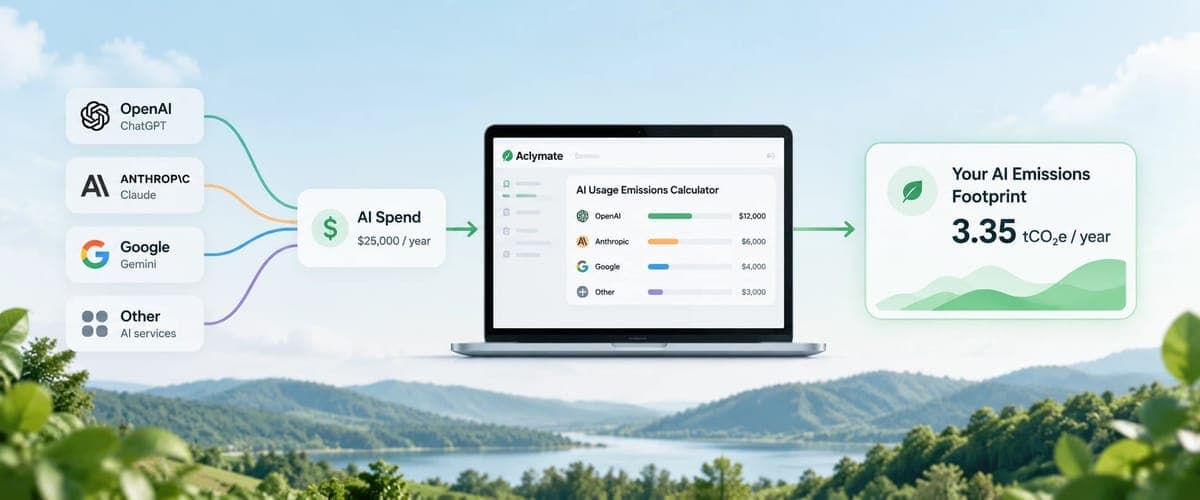
AI carbon emissions are becoming a new consideration for companies adopting ChatGPT, Claude, Gemini, Copilot and other artificial intelligence tools. Here’s how Aclymate estimates the carbon emissions from a company’s AI usage today—and how we expect the methodology to improve as AI providers release better usage and emissions data.
Read Article
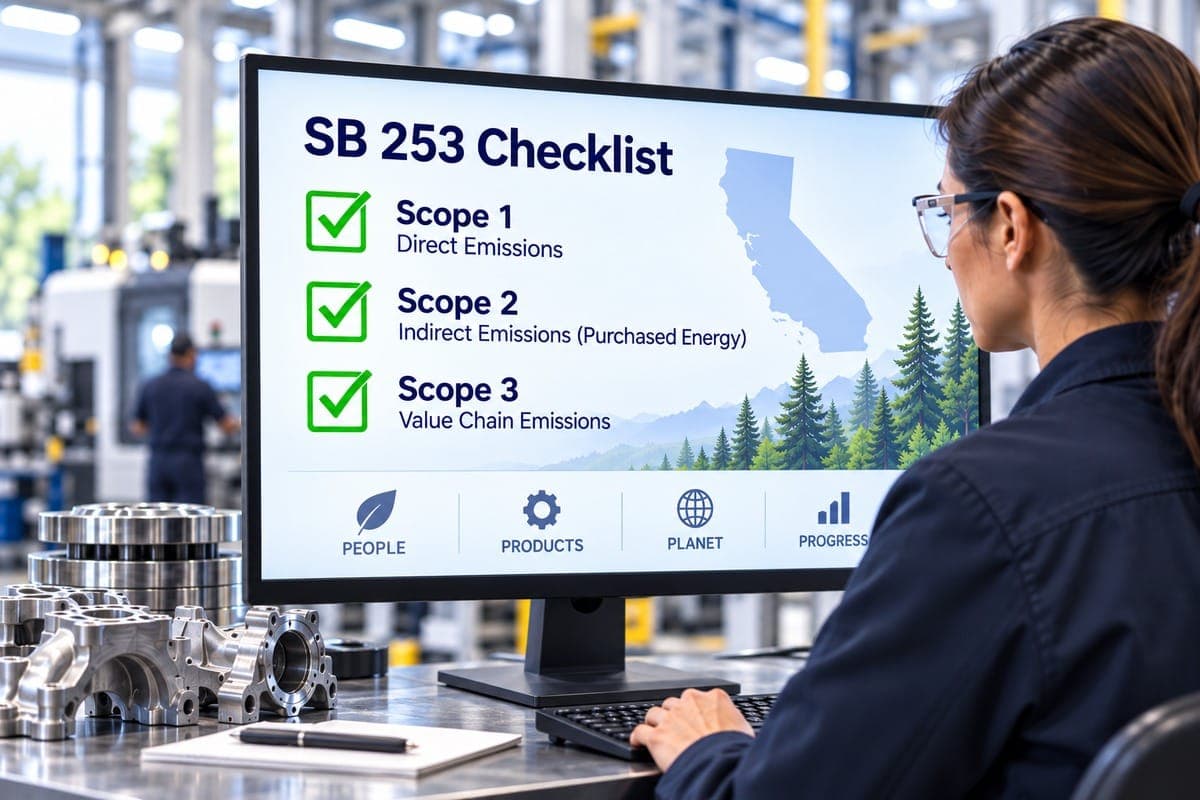
California SB 253 applies to companies over $1B in revenue — but its Scope 3 requirement reaches the automotive suppliers underneath them. What to expect and how to prepare.
Read Article
Talk with a Sustainability Expert, see a demo, or start free to put the Aclymate platform and experts to work for your team.