← Back to Insights
Juliette Camou
November 14, 2025

As organizations worldwide pursue ambitious net zero goals and navigate evolving climate disclosure regulations, environmental, social, and governance (ESG) reporting has become essential. Unlike financial reporting, ESG standards remain fragmented, creating gaps between corporate sustainability communications and actual environmental impact.
This inconsistency enables two problematic approaches: greenwashing—inflating environmental credentials—and greenhushing, concealing legitimate progress. The latter deserves particular attention, as it undermines transparency as significantly as its counterpart.
Trust and Reputation Damage
Greenwashing exaggerates accomplishments while greenhushing suppresses genuine efforts. Both erode stakeholder confidence among customers, investors, and employees, ultimately weakening brand credibility and market positioning.
Regulatory Exposure
The SEC, EU's Sustainable Finance Disclosure Regulation, and UK Sustainability Disclosure Requirements demand verifiable environmental data. Non-compliance risks penalties, legal action, and regulatory scrutiny.
Investor and Consumer Preferences
Eco-conscious stakeholders favor companies with credible sustainability commitments. Withholding environmental progress costs competitive advantages, while exposed misleading claims trigger backlash.
Collective Progress Stagnation
Withholding sustainability innovations slows industry-wide advancement. Transparent practices encourage competitive improvement and cross-sector collaboration essential for climate mitigation.
1. Establish Strong ESG Governance
Board-level commitment to sustainability, aligned with Science-Based Targets initiative standards, creates credibility. Implement reliable data collection and internal verification systems.
2. Commit to Transparent Reporting
Use science-based climate strategies and provide detailed information on progress, challenges, and methodologies. Avoid vague language; support all claims with verifiable data and third-party certifications.
3. Build Organizational Understanding
Train employees on differences between greenwashing, greenhushing, and greenwishing. A knowledgeable workforce reduces misleading communications and fosters accountability.
4. Manage Risks Proactively
Conduct scenario planning to identify vulnerabilities. Close data gaps and prepare transparent responses to stakeholder questions before issues arise.
5. Engage Stakeholders Transparently
Maintain open dialogue with customers, investors, regulators, and communities. Solicit feedback and demonstrate responsiveness to build trust.
6. Embrace Continuous Improvement
Acknowledge areas needing improvement and share plans to address them. Transparency about challenges demonstrates authenticity and long-term commitment.
Avoiding both practices requires authentic, data-driven ESG reporting and transparent organizational culture. Companies that communicate honestly about environmental efforts build stakeholder trust, meet regulatory demands, and advance industry-wide climate progress. Success comes from doing what you promise and communicating it truthfully.
Get Aclymate's practical sustainability content delivered weekly.

AI is creating new opportunities for businesses, but it also comes with an environmental cost. Carbon offsets can help address some of those emissions, but businesses need to understand what they are offsetting, how offsets work, and why measuring and reducing emissions should come first.
Read Article
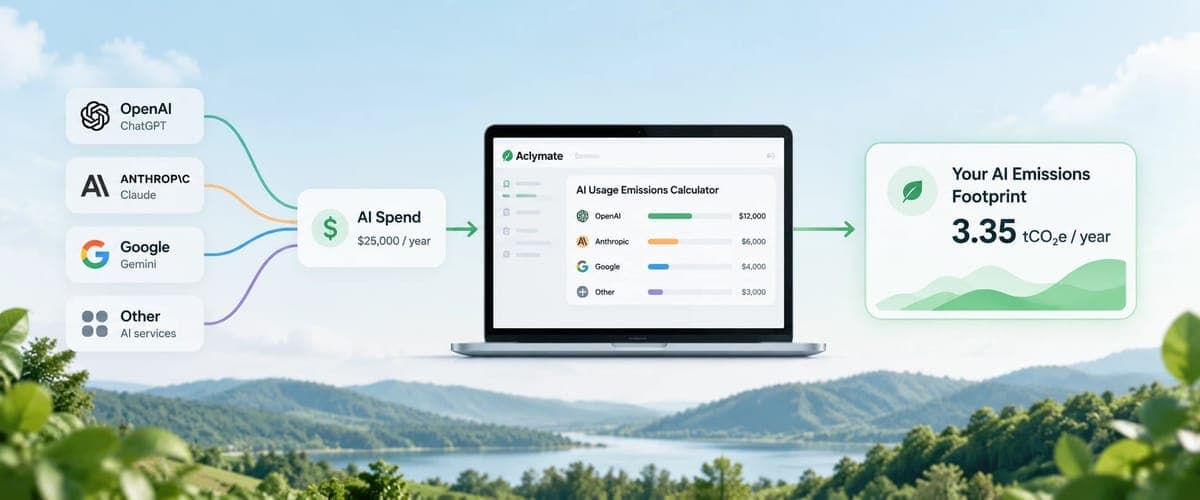
AI carbon emissions are becoming a new consideration for companies adopting ChatGPT, Claude, Gemini, Copilot and other artificial intelligence tools. Here’s how Aclymate estimates the carbon emissions from a company’s AI usage today—and how we expect the methodology to improve as AI providers release better usage and emissions data.
Read Article
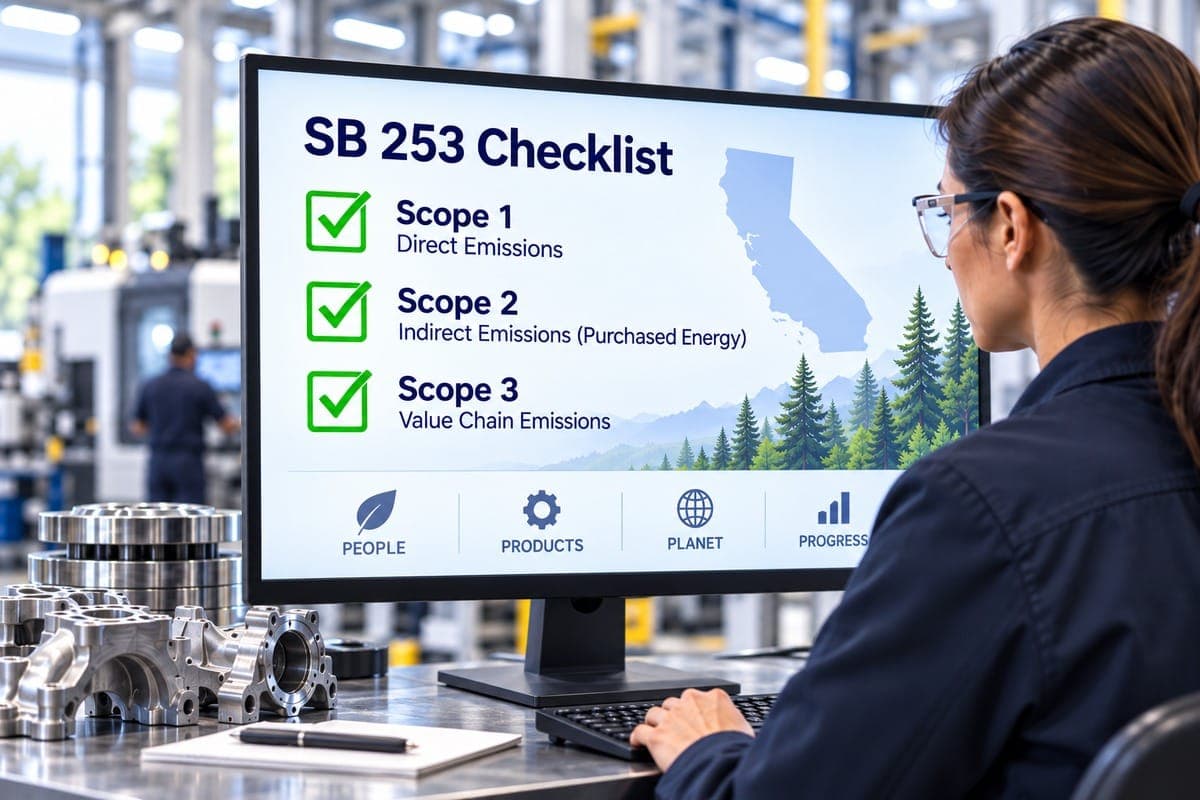
California SB 253 applies to companies over $1B in revenue — but its Scope 3 requirement reaches the automotive suppliers underneath them. What to expect and how to prepare.
Read Article
Talk with a Sustainability Expert, see a demo, or start free to put the Aclymate platform and experts to work for your team.