← Back to Insights
Ariel Le
August 15, 2025

Sustainability literacy encompasses "the knowledge, skills, and awareness individuals need to understand and address sustainability challenges" in both personal and professional contexts. This understanding bridges environmental, social, and economic systems while recognizing how human activities influence these interconnected areas.
Organizations embedding sustainability literacy into corporate culture can adapt to regulatory changes, meet consumer demand for responsible practices, and contribute to long-term environmental stewardship.
1. Empowerment to Make Informed Decisions
Sustainability literacy enables employees to recognize environmental and social impacts of their choices, adopt responsible behaviors, and influence workplace practices and peers positively.
2. Increased Innovation
Understanding sustainability challenges cultivates critical thinking and creativity. Sustainability-literate employees identify opportunities for sustainable manufacturing, waste-reducing service design, and resource-efficient systems—creating competitive advantages and economic growth.
3. Aligning with Global Goals & Changing Regulations
As organizations adopt frameworks like the United Nations Sustainable Development Goals, a sustainability-literate workforce ensures meaningful contributions. Employees equipped with sustainability knowledge help companies comply with evolving regulations around carbon limits and ethical sourcing, reducing legal and financial risks.
4. Strengthening Corporate Social Responsibility
When employees understand ethical sourcing, carbon reduction, and community support, they drive positive change within and beyond organizational boundaries.
5. Building a Sustainable Workforce Culture
Sustainability literacy fosters cultures prioritizing long-term impact. This attracts aligned talent, creating cohesive, motivated teams working toward shared environmental and social goals while celebrating progress.
6. Corporate Reputation & Competitive Advantage
Companies demonstrating sustainability commitment attract environmentally conscious customers, investors, and partners. This particularly resonates with younger generations and engaged employees, improving overall performance and satisfaction.
Sustainability literacy creates responsible, innovative, and resilient organizations. By equipping employees with understanding of environmental, social, and economic implications, businesses foster informed decision-making and long-term thinking—ultimately contributing to sustainable futures for companies and communities alike.
Get Aclymate's practical sustainability content delivered weekly.

AI is creating new opportunities for businesses, but it also comes with an environmental cost. Carbon offsets can help address some of those emissions, but businesses need to understand what they are offsetting, how offsets work, and why measuring and reducing emissions should come first.
Read Article
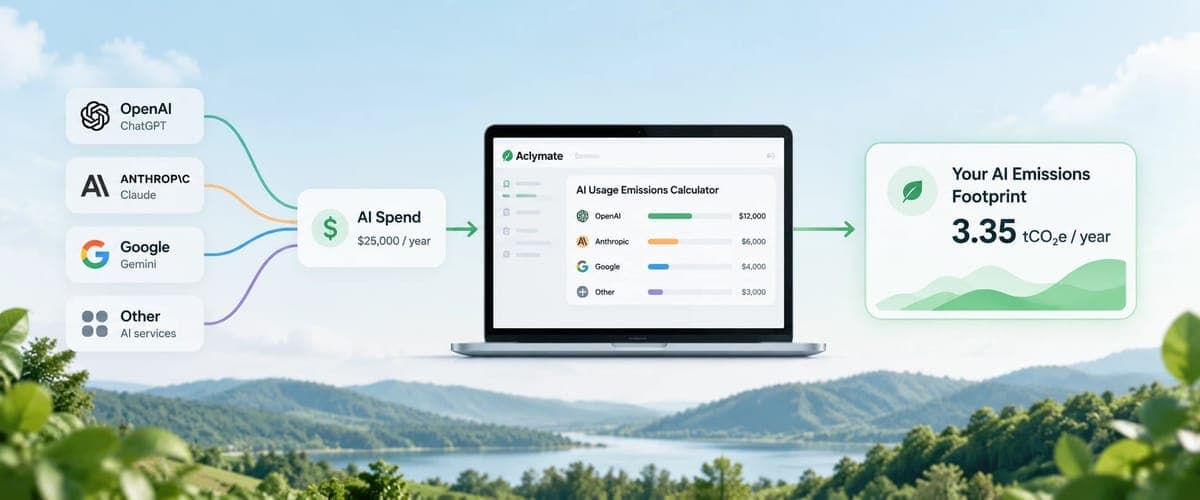
AI carbon emissions are becoming a new consideration for companies adopting ChatGPT, Claude, Gemini, Copilot and other artificial intelligence tools. Here’s how Aclymate estimates the carbon emissions from a company’s AI usage today—and how we expect the methodology to improve as AI providers release better usage and emissions data.
Read Article
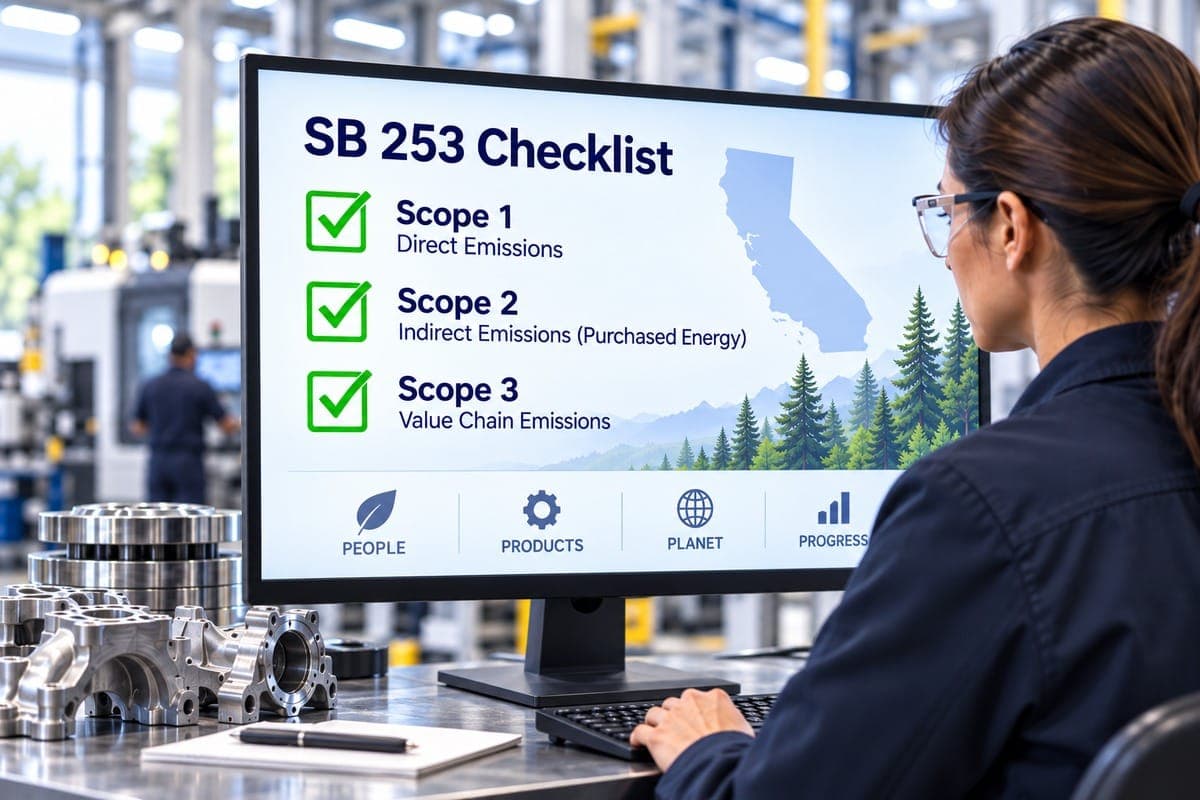
California SB 253 applies to companies over $1B in revenue — but its Scope 3 requirement reaches the automotive suppliers underneath them. What to expect and how to prepare.
Read Article
Talk with a Sustainability Expert, see a demo, or start free to put the Aclymate platform and experts to work for your team.