← Back to Insights
Josephina DiMillo
February 1, 2024

Every choice we make leaves an imprint on our planet - from the energy we use to the products we buy. Decisions that may seem small have the power to shape the future of our climate. This mark we leave on our environment is known as our carbon footprint.
A carbon footprint represents the amount of greenhouse gasses that are generated and emitted by our businesses, products, and personal lifestyle choices. Greenhouse gasses, like carbon dioxide and methane, trap heat and contribute to an overall increase in the earth's temperature. These gasses create what's known as the greenhouse effect. While the greenhouse effect is natural and essential for maintaining earth's temperature, our activities as humans have increased this effect and led to issues of global warming and climate change.
To put it simply, your carbon footprint is the trail you leave behind by participating in activities like driving, using electricity, or eating certain foods. Actions like these affect the environment and ultimately lead to climate change. The more you participate in these activities, the bigger your footprint gets. For example, simply driving to and from work each day is a major contributor to CO2 emissions. To put this into perspective, the average American’s commute is around 30 miles, with CO2 emissions per year varying by car size. A small car can contribute 2.1 tons of carbon dioxide, while a large SUV car can contribute 5.7 tons of carbon dioxide annually (source). With billions of people commuting to work around the world, you can see how transportation contributes to a staggering volume of carbon pollution.
Get Aclymate's practical sustainability content delivered weekly.

AI is creating new opportunities for businesses, but it also comes with an environmental cost. Carbon offsets can help address some of those emissions, but businesses need to understand what they are offsetting, how offsets work, and why measuring and reducing emissions should come first.
Read Article
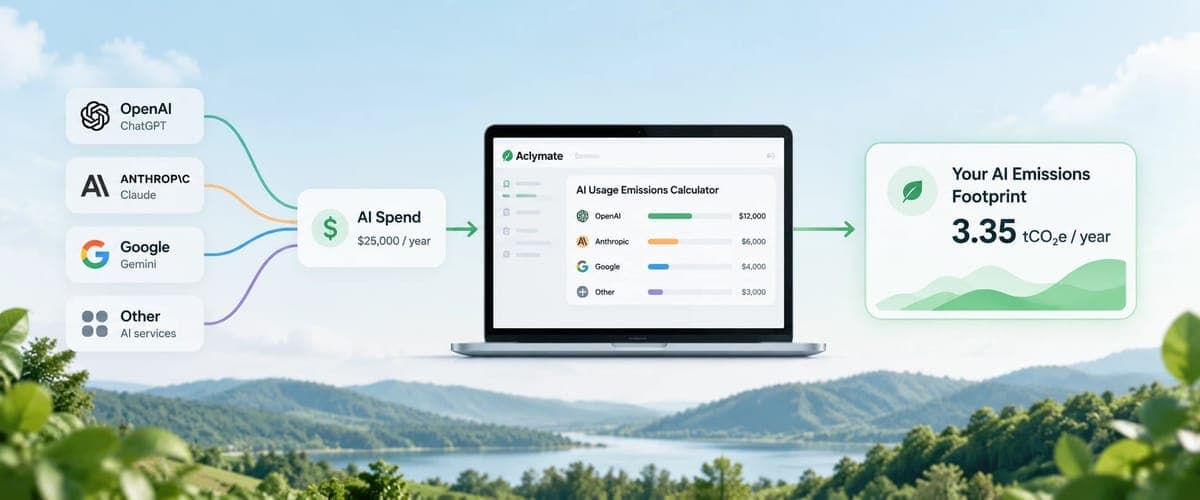
AI carbon emissions are becoming a new consideration for companies adopting ChatGPT, Claude, Gemini, Copilot and other artificial intelligence tools. Here’s how Aclymate estimates the carbon emissions from a company’s AI usage today—and how we expect the methodology to improve as AI providers release better usage and emissions data.
Read Article
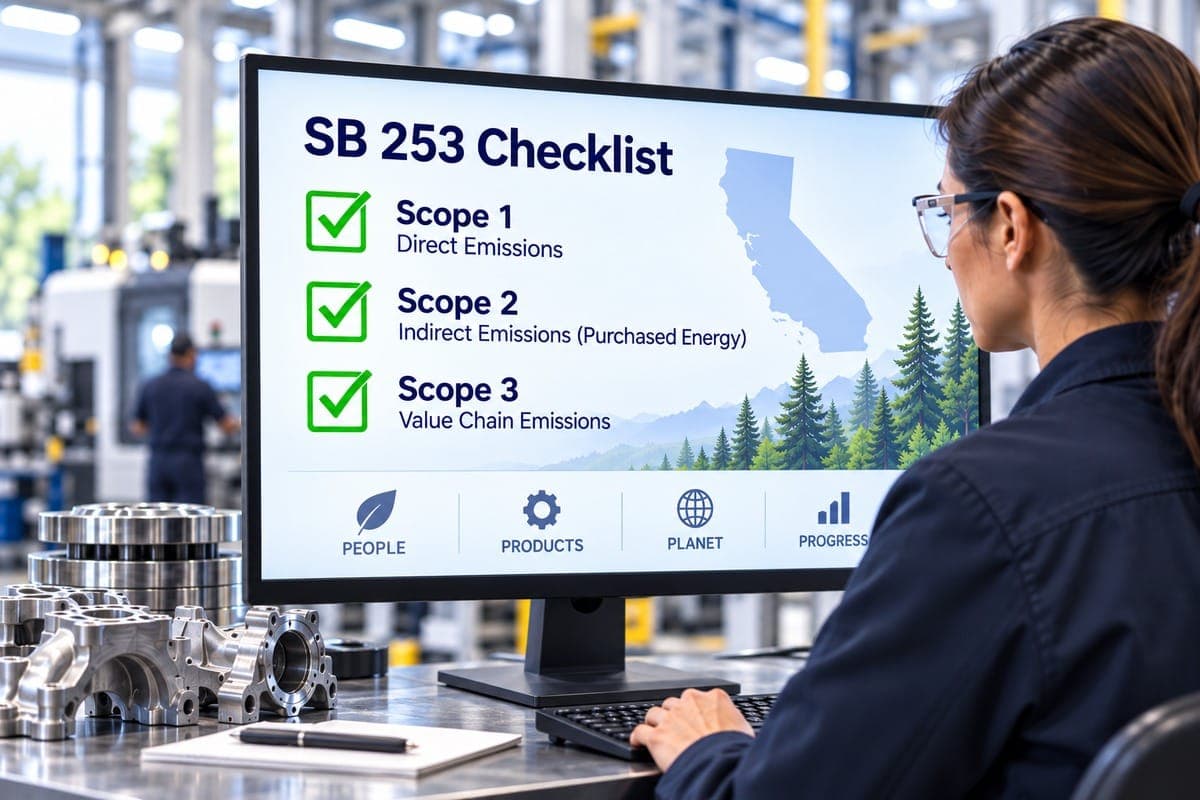
California SB 253 applies to companies over $1B in revenue — but its Scope 3 requirement reaches the automotive suppliers underneath them. What to expect and how to prepare.
Read Article
Talk with a Sustainability Expert, see a demo, or start free to put the Aclymate platform and experts to work for your team.