← Back to Insights
Michael Wang
February 28, 2023
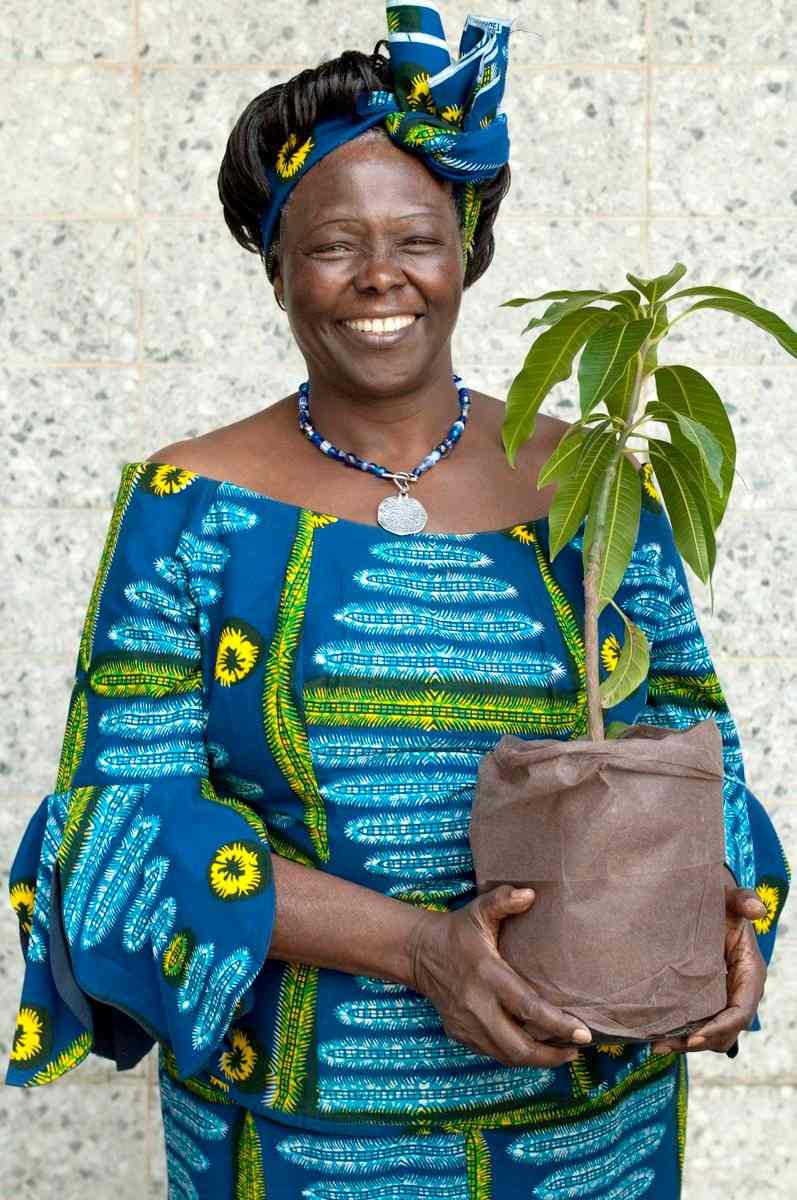
As we reach the final weekend of Black History Month, we reflect upon the efforts of many Black environmental leaders who have pushed for a better life for future generations. Their dedication has paved the way for a better future, encouraging practices that have the potential to drive significant change within their communities and across the world.
A shared characteristic among Black environmentalists is their commitment to creating a positive and meaningful transformation within their communities. Many of them strive to bring people together and educate them about the pressing issues at hand and how they impact the future of humanity. These dedicated individuals, much like the remarkable Wangari Maathai, represent how important it is to maintain the landscape of our environment and everything around it. Wangari Maathai's legacy serves as a reminder of the importance of protecting the ecological landscape and all that’s within it.
That is why today we have chosen to honor leaders like Wangari Maathai, who have not only recognized the significance of the challenges we face but have also taken action to address them. In honoring these remarkable individuals, we also extend our gratitude to the broader network of Black environmentalists who continue to advocate, educate, and inspire.
Born from humble beginnings, Wangari Maathai was a woman of many firsts. She was the first woman in East and Central Africa to earn a doctorate, the first female department head at the University of Nairobi in Kenya, and the first African woman to win a Nobel Peace Prize.
At an early age, Maathai learned to show respect for the trees around her. Her mother taught her that trees were "Gods'' and should be appreciated. In the 1880s, however, the British started their colonization and deforestation for building and farming harmed the environment. Because of this, Maathai watched her homeland dry up along with the local river.
The actions of the British resulted in the onset of desertification within the village, fueling a sense of resentment among the local population and sparking complaints concerning the lack of firewood. This chain of events ultimately led to her determination to fix the damage inflicted by the British.
In response to the extreme circumstances, Maathai decided to start an organization dedicated to tree planting. This decision, aimed at counteracting the unfortunate consequences brought on by the British, marked a turning point in history. As a result, the Green Belt Movement was formed, beginning a transformative effort to reclaim and restore what had been disrupted.
Get Aclymate's practical sustainability content delivered weekly.

AI is creating new opportunities for businesses, but it also comes with an environmental cost. Carbon offsets can help address some of those emissions, but businesses need to understand what they are offsetting, how offsets work, and why measuring and reducing emissions should come first.
Read Article

AI carbon emissions are becoming a new consideration for companies adopting ChatGPT, Claude, Gemini, Copilot and other artificial intelligence tools. Here’s how Aclymate estimates the carbon emissions from a company’s AI usage today—and how we expect the methodology to improve as AI providers release better usage and emissions data.
Read Article

California SB 253 applies to companies over $1B in revenue — but its Scope 3 requirement reaches the automotive suppliers underneath them. What to expect and how to prepare.
Read Article
Talk with a Sustainability Expert, see a demo, or start free to put the Aclymate platform and experts to work for your team.