← Back to Insights
Lydia Loopesko
October 16, 2022
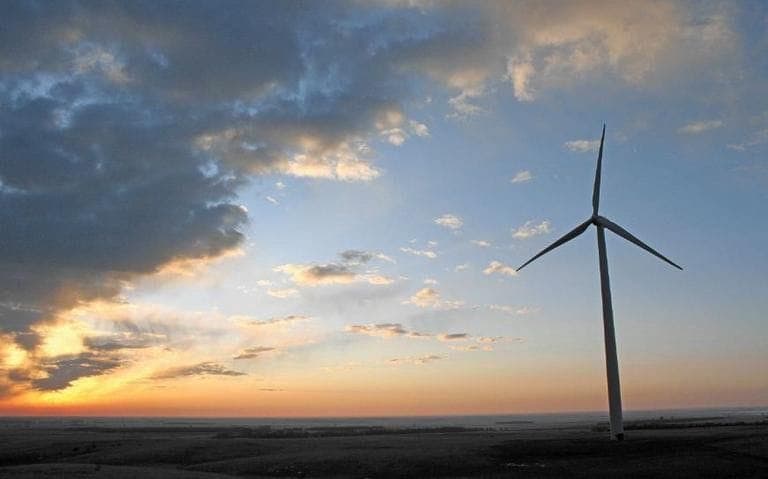
The wind blows pretty steadily across the plains of South Dakota, making it an obvious choice for wind farming. The Crow Lake Wind Project near Chamberlain, SD is the largest cooperative owned wind farm in the US with 108 wind turbines. The turbines create about 192 MW of electricity, which is enough for about 129,000 homes. Since its construction, the wind farm has significantly contributed to local economic development; it has created 120,000 jobs from the local labor pool, increased payments across landowners within the vicinity of the project, and given locals involved the ownership of their own energy source. The project has also been accredited by VCS and is owned and operated by Basin Electric Power Cooperative.
The Crow Lake Wind Project is part of a growing investment in wind energy. According to the Department of Energy, more wind energy was installed in 2020 than any other energy source and it now accounts for 42% of new energy capacity nationally. This increase is likely because there are numerous advantages to wind energy. Wind is a very clean and sustainable source of energy, it is more efficient than solar, and it’s highly cost-effective (it is one of the cheapest sources of energy available today). Furthermore, electricity from wind farms is sold at a fixed price over time so it is less subject to the variation in cost and uncertainty of traditional forms of energy.
A 2015 study by the American Wind Energy Association showed that wind farms actually contributed to the stability of the grid and were even more reliable than conventional power plants. It’s true that wind doesn’t always blow, but it’s likely always blowing somewhere. The grid does not just take energy from a single source, but rather balances out across the network to ensure a stable power supply. That is why when conventional power plants shut down for maintenance there isn’t a power shortage. Instead the energy is taken from elsewhere. The same can be true for wind farms.
Get Aclymate's practical sustainability content delivered weekly.

AI is creating new opportunities for businesses, but it also comes with an environmental cost. Carbon offsets can help address some of those emissions, but businesses need to understand what they are offsetting, how offsets work, and why measuring and reducing emissions should come first.
Read Article
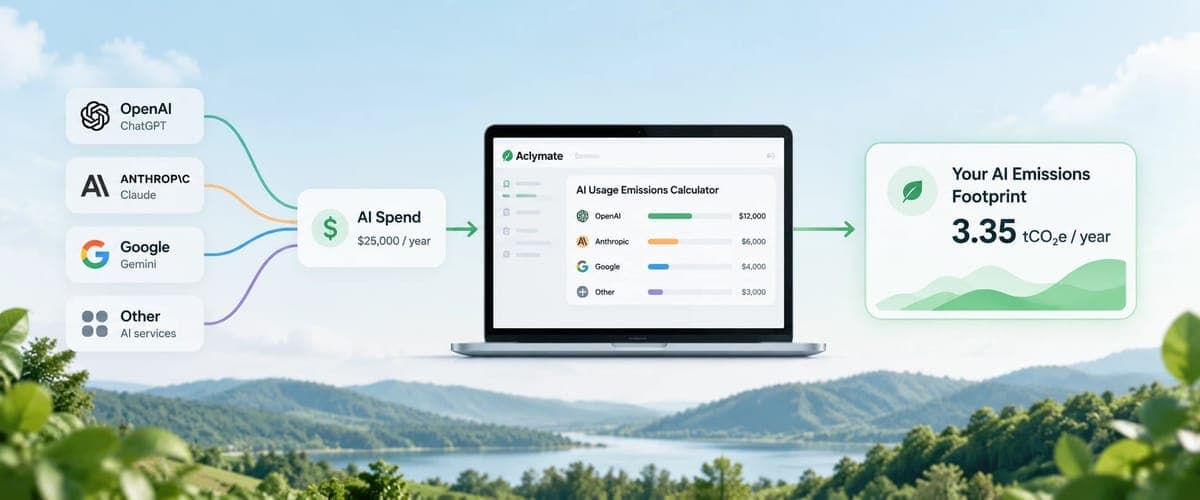
AI carbon emissions are becoming a new consideration for companies adopting ChatGPT, Claude, Gemini, Copilot and other artificial intelligence tools. Here’s how Aclymate estimates the carbon emissions from a company’s AI usage today—and how we expect the methodology to improve as AI providers release better usage and emissions data.
Read Article
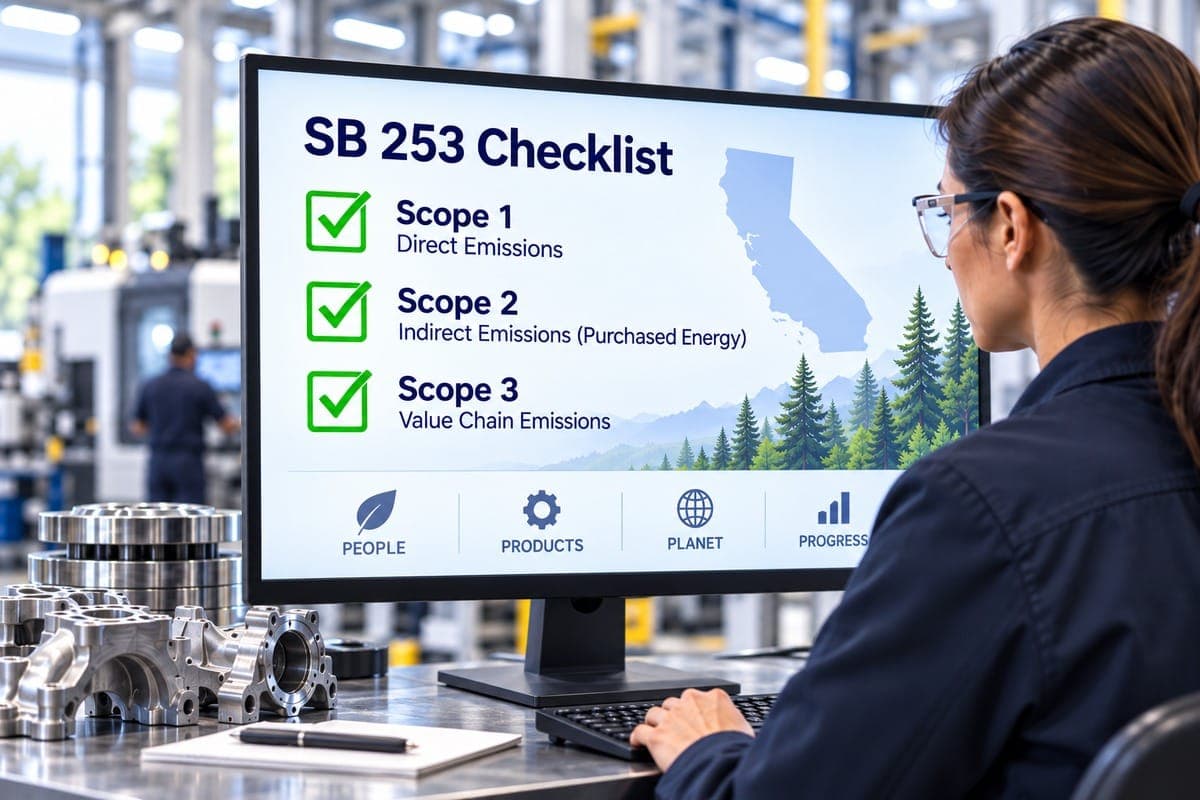
California SB 253 applies to companies over $1B in revenue — but its Scope 3 requirement reaches the automotive suppliers underneath them. What to expect and how to prepare.
Read Article
Talk with a Sustainability Expert, see a demo, or start free to put the Aclymate platform and experts to work for your team.