← Back to Insights
Tuba Korkmaz
February 21, 2025
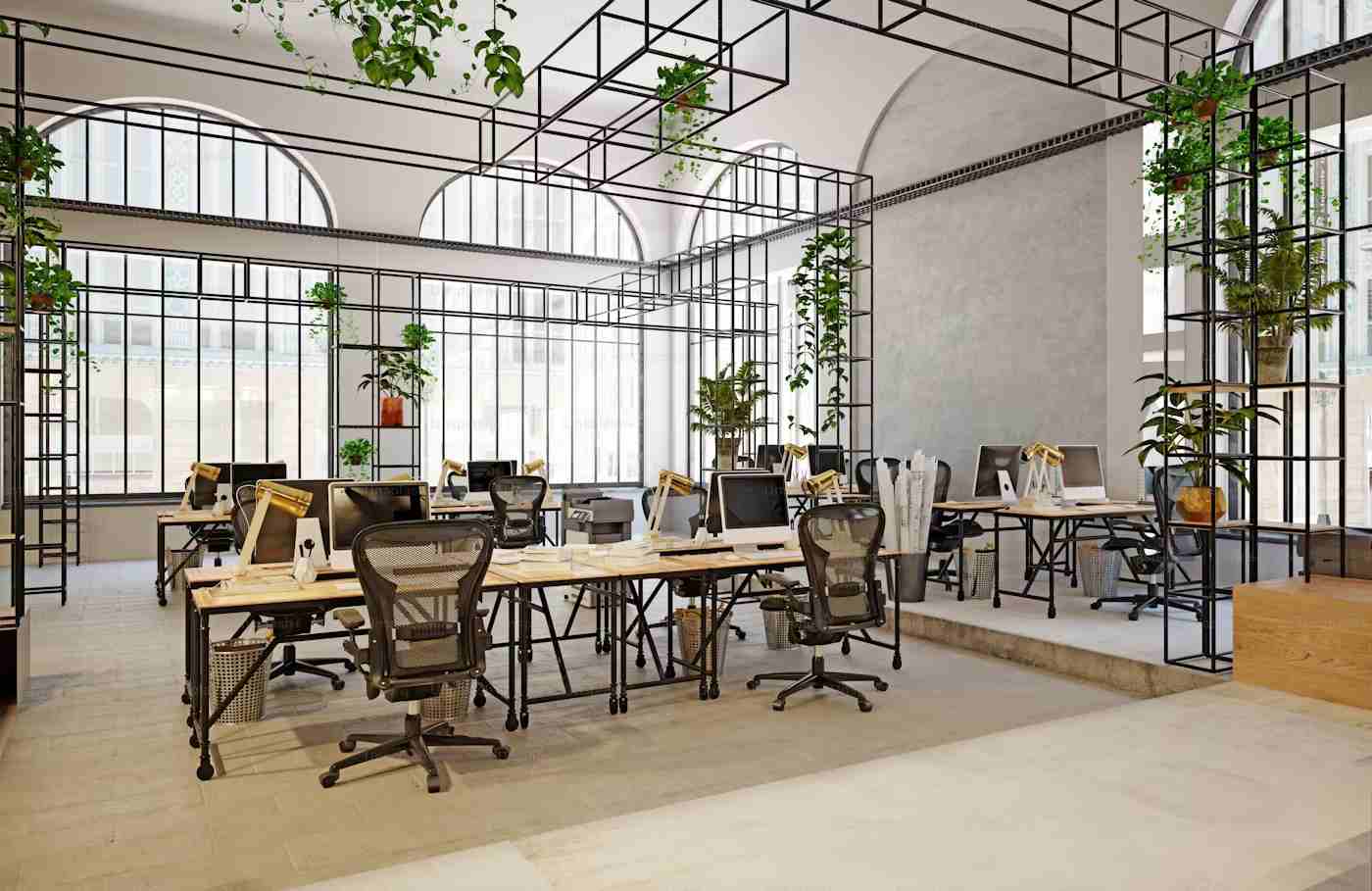
Sustainability represents a fundamental shift in workplace operations rather than a fleeting trend. Offices consume considerable energy and resources through lighting, electronics, snacks, and furniture. Implementing eco-friendly improvements doesn't require complete restructuring—modest adjustments can meaningfully diminish waste, conserve energy, and foster environmentally conscious work spaces.
Replacing traditional incandescent bulbs with LED (Light Emitting Diodes) technology offers one of the simplest sustainability improvements. These bulbs consume "at least 75% less energy than incandescent bulbs and last up to 25 times longer," reducing replacements, waste, and electricity expenses.
LEDs generate minimal heat, decreasing air conditioning demands during warm seasons. Many models feature adjustable brightness, enabling comfortable, productive environments without excessive glare or eye strain.
Implementation steps:
Traditional office break room options frequently arrive in single-use plastic packaging or contain artificial additives. Switching to organic, sustainably sourced alternatives reduces waste while supporting environmentally committed companies.
Implementation steps:
Inexpensive, low-quality office furniture frequently ends up in landfills when premature replacement becomes necessary. Quality ergonomic seating enhances employee comfort and productivity while ensuring durability that reduces replacement frequency.
Long-lasting furniture typically features sustainable materials including recycled metals, responsibly sourced wood, or eco-friendly upholstery. Manufacturers like Herman Miller and Steelcase produce chairs designed to function for decades.
Implementation steps:
Remote work arrangements substantially benefit environmental sustainability. Reduced commuting decreases carbon emissions and office energy consumption for heating, cooling, and electricity. Minimal printing needs and fewer in-office meals lower paper and plastic waste.
Implementation steps:
Offices relying on plastic water bottles and disposable coffee cups substantially contribute to landfill waste. Transitioning to reusable containers dramatically reduces single-use plastic consumption.
Implementation steps:
Workplace sustainability needn't be complicated or expensive. "Simple switches like LED lighting, sustainable snacks, ergonomic chairs, remote work options, and reusable water bottles can make a significant difference in reducing an office's carbon footprint."
These modifications benefit environmental protection while creating healthier, more productive work environments. Companies simultaneously reduce expenses, minimize waste, and encourage employees toward eco-conscious behaviors at work and home.
Get Aclymate's practical sustainability content delivered weekly.

AI is creating new opportunities for businesses, but it also comes with an environmental cost. Carbon offsets can help address some of those emissions, but businesses need to understand what they are offsetting, how offsets work, and why measuring and reducing emissions should come first.
Read Article
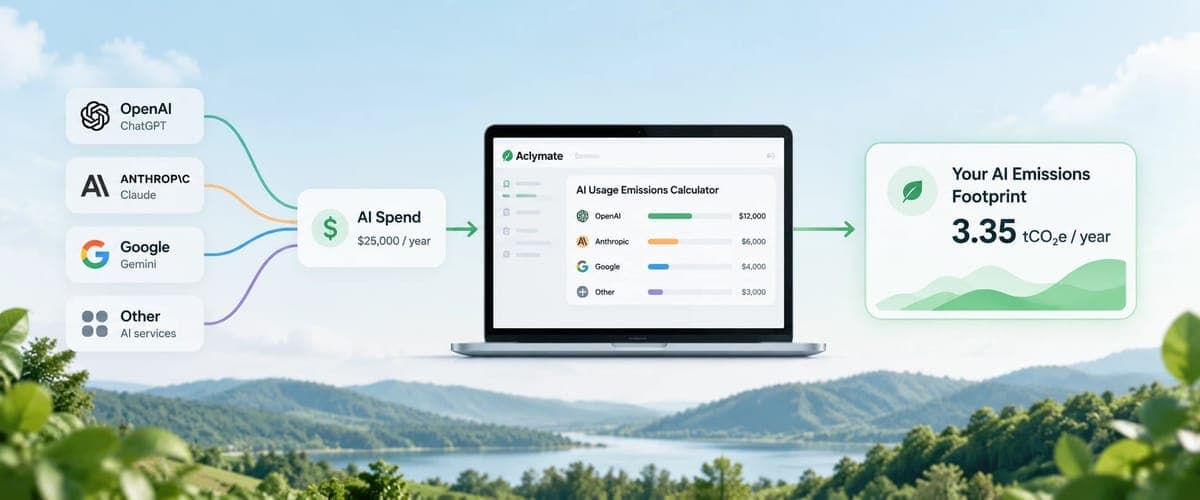
AI carbon emissions are becoming a new consideration for companies adopting ChatGPT, Claude, Gemini, Copilot and other artificial intelligence tools. Here’s how Aclymate estimates the carbon emissions from a company’s AI usage today—and how we expect the methodology to improve as AI providers release better usage and emissions data.
Read Article
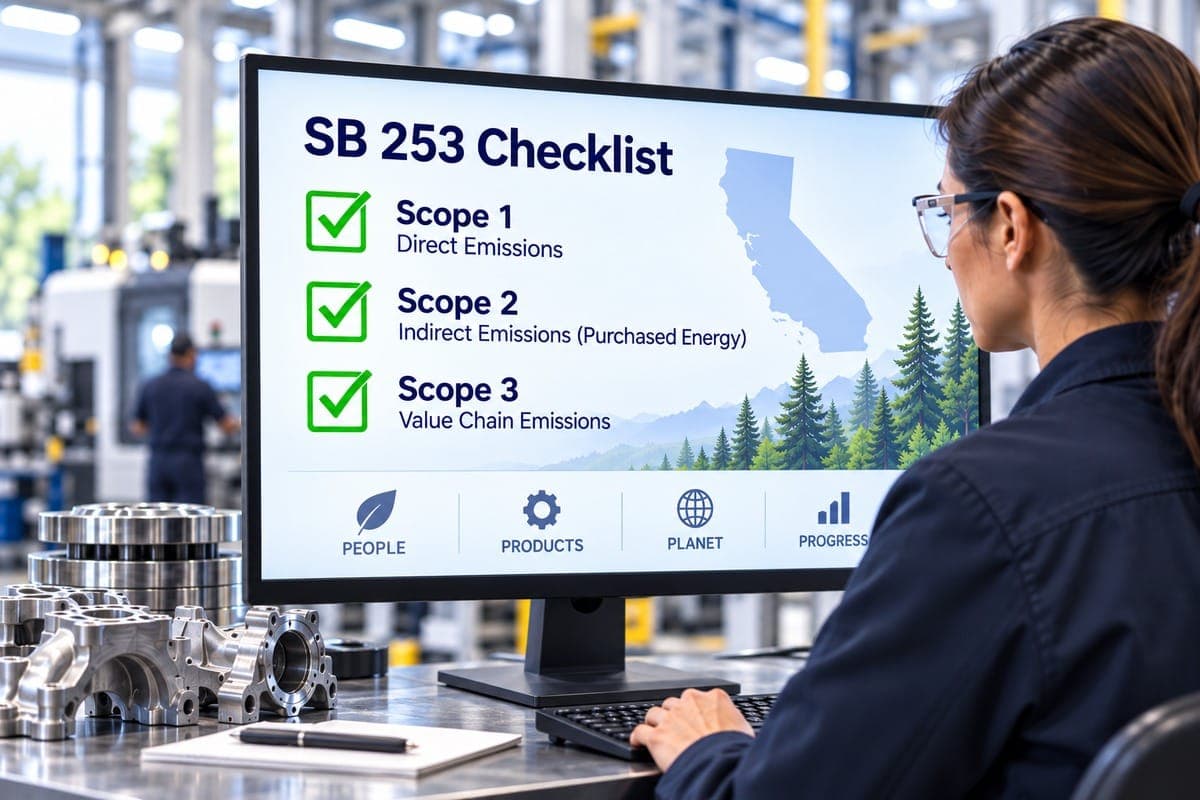
California SB 253 applies to companies over $1B in revenue — but its Scope 3 requirement reaches the automotive suppliers underneath them. What to expect and how to prepare.
Read Article
Talk with a Sustainability Expert, see a demo, or start free to put the Aclymate platform and experts to work for your team.