← Back to Insights
Christie Hao
October 18, 2024
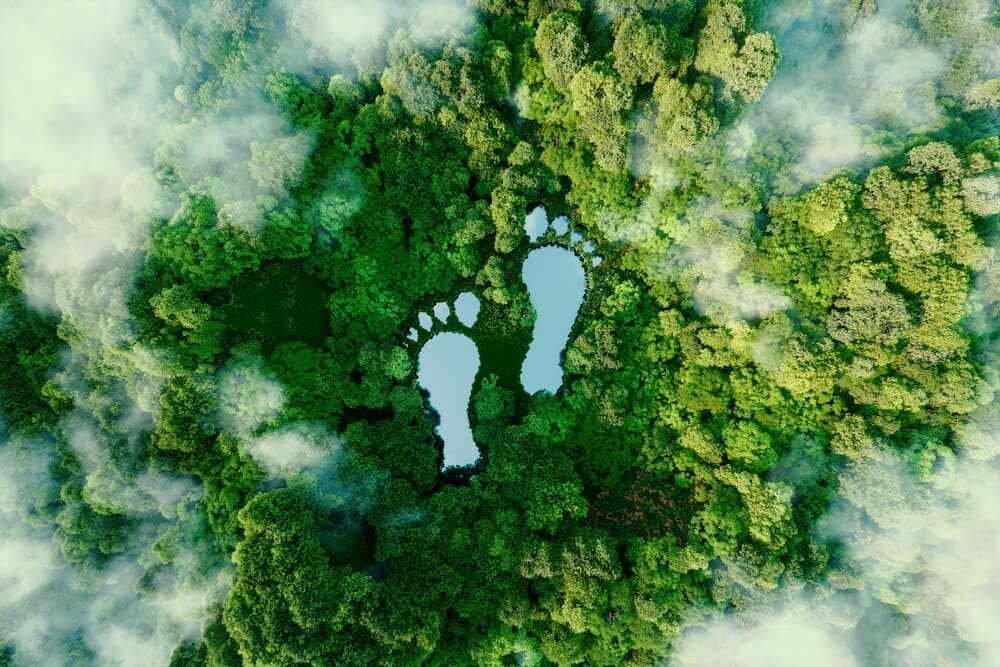
Travel is an important aspect of many businesses, but it often comes with a big environmental cost. As a climate-conscious organization working towards net-zero for all, Aclymate wants to highlight some strategies you can consider to reduce your company's carbon footprint in this sector.
Encouraging employees to explore destinations closer to home can drastically reduce travel-related emissions. Local and regional trips require less planning and contribute to a lower carbon footprint compared to long-distance travel. When travel is necessary, choosing nearby locations for meetings, conferences, or team events can significantly cut down on emissions.
Additionally, selecting eco-friendly accommodations further reduces the impact. Avoiding overly luxurious hotels can help, as high-end facilities often have energy-intensive amenities such as gas fireplaces or extensive lighting. Instead, look for hotels that prioritize sustainability, use energy-efficient practices, and have green certifications.
The choice of transportation significantly influences travel emissions. When planning trips, consider:
If air travel is unavoidable:
Dietary choices can also impact a trip’s carbon footprint. Encourage employees to eat local produce and plant-based meals while traveling.
Locally sourced food has a lower carbon footprint because it doesn’t need to be transported long distances, and plant-based diets are generally more climate-friendly than meat-based ones.
It is important to realize that while reducing emissions is essential, international travel can provide valuable cultural and environmental perspectives. If your company (based in Denver, hypothetically) is planning on long-distance trips, instead of flying from Denver to Honolulu (about 3,340 miles), consider traveling to San José, Costa Rica, approximately 2,500 miles away.
Get Aclymate's practical sustainability content delivered weekly.

AI is creating new opportunities for businesses, but it also comes with an environmental cost. Carbon offsets can help address some of those emissions, but businesses need to understand what they are offsetting, how offsets work, and why measuring and reducing emissions should come first.
Read Article
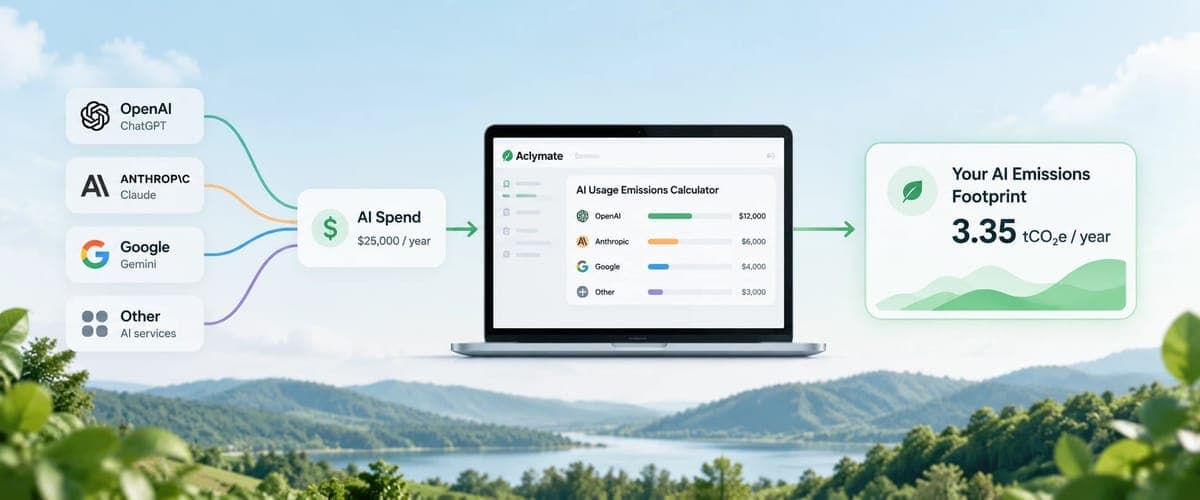
AI carbon emissions are becoming a new consideration for companies adopting ChatGPT, Claude, Gemini, Copilot and other artificial intelligence tools. Here’s how Aclymate estimates the carbon emissions from a company’s AI usage today—and how we expect the methodology to improve as AI providers release better usage and emissions data.
Read Article
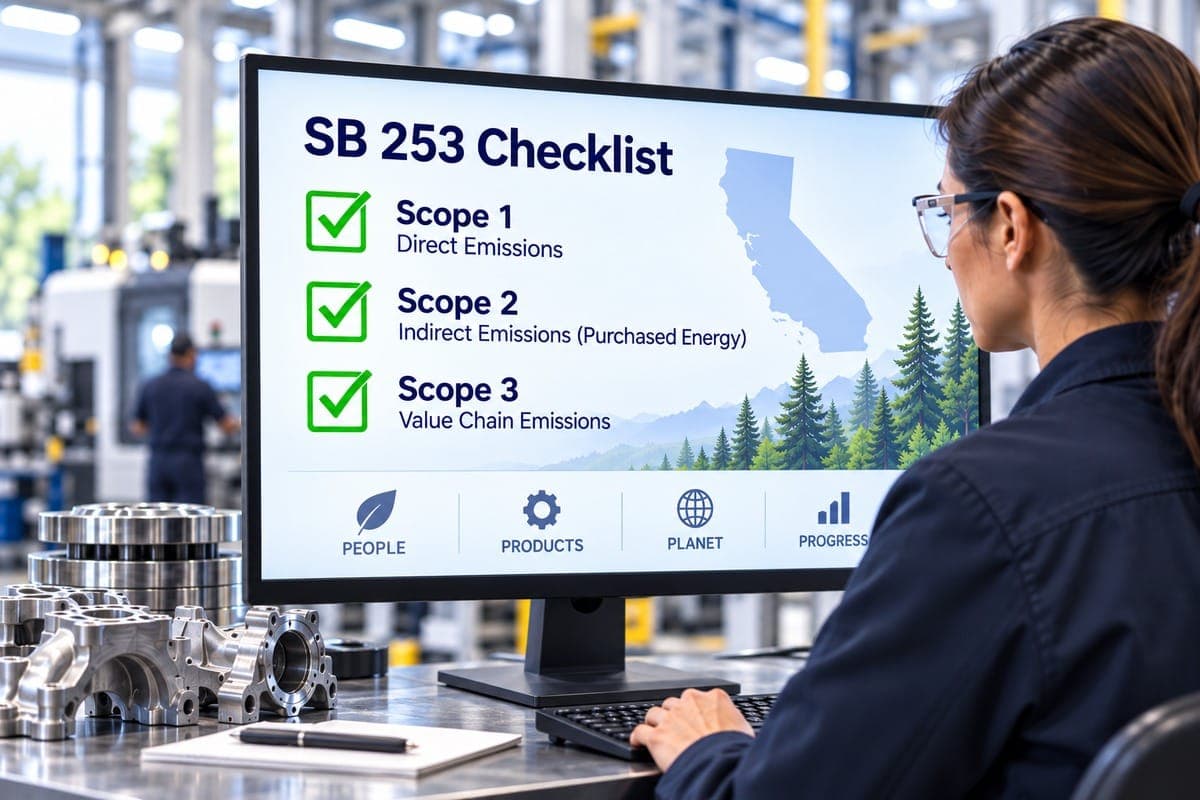
California SB 253 applies to companies over $1B in revenue — but its Scope 3 requirement reaches the automotive suppliers underneath them. What to expect and how to prepare.
Read Article
Talk with a Sustainability Expert, see a demo, or start free to put the Aclymate platform and experts to work for your team.