← Back to Insights
Ariel Le
March 14, 2025

Before your company can take meaningful steps to reduce its carbon footprint, it's important to understand the baseline of your business's carbon emissions. There are many different paths to take in carbon reductions, but the best path is unique to your business. Analyzing your company's footprint will give you a better idea on how to improve it.
Before you can begin reducing your carbon footprint, you need to have an understanding of your company's baseline emissions. Begin by identifying the different sources of carbon your business produces. There are three different categories your emissions can fall under:
Measure each scope emissions category through a carbon calculator or by hiring a professional carbon accountant.
Establish a baseline and base year for your company's emissions from your carbon calculations. Using this information, your business can set a target. Make sure your goal is clear, ambitious, and addresses the different scope emissions. There are a few different types of targets a company can choose from:
After your company decides on a target, make sure to publicly declare your business's intentions. This helps build credibility and reputation for your company and attract investors and customers who prioritize sustainability.
There are many different ways to reduce your company's carbon emissions. First, consider some simple and affordable ways such as reducing energy consumption, water usage, and encouraging green transportation among your employees. Next, consider scope 1 and 2 carbon reductions in your company's functions such as streamlining utilities emissions and optimizing operations. Not only should you consider operations, but also your employee carbon emissions such as their commute to work or education on sustainability. Also consider scope 3 emissions which include company travel, event planning, and spend-based emissions.
After considering all the ways in which your company can reduce its carbon footprint, look into investing in carbon offsets. They are a way for businesses to neutralize their emissions by supporting projects that reduce or remove greenhouse gases elsewhere. Carbon offsets can fall into three categories:
Your company can make an impact by accurately calculating your carbon emissions, setting clear and ambitious targets, and actively implementing reduction strategies across your operations and supply chain. With commitment and continuous improvement, your business can reduce its carbon footprint while gaining public trust, enhancing brand reputation, and attracting customers and investors who value sustainability. Start today to make a meaningful difference for both your business and the environment.
Get Aclymate's practical sustainability content delivered weekly.

AI is creating new opportunities for businesses, but it also comes with an environmental cost. Carbon offsets can help address some of those emissions, but businesses need to understand what they are offsetting, how offsets work, and why measuring and reducing emissions should come first.
Read Article
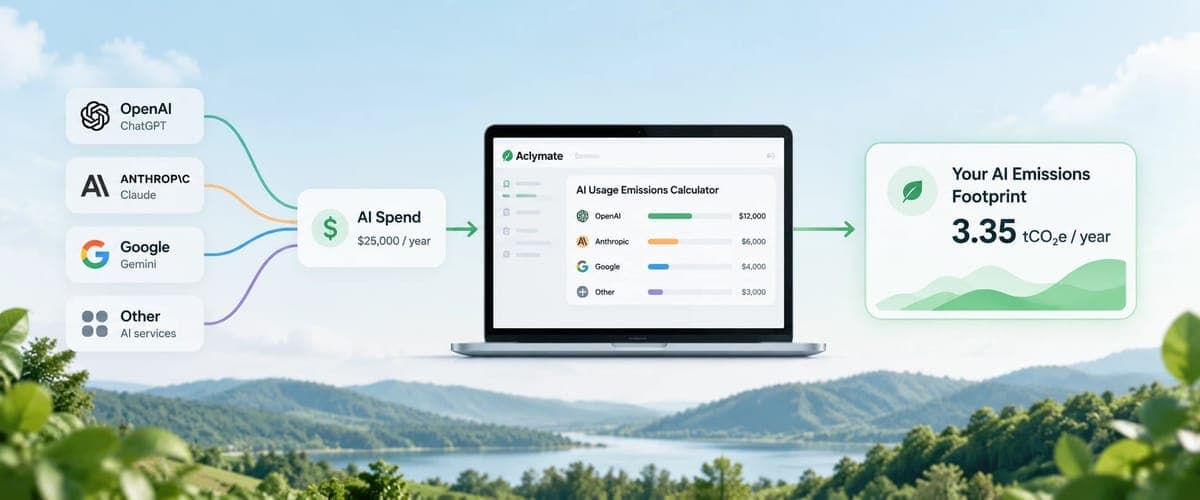
AI carbon emissions are becoming a new consideration for companies adopting ChatGPT, Claude, Gemini, Copilot and other artificial intelligence tools. Here’s how Aclymate estimates the carbon emissions from a company’s AI usage today—and how we expect the methodology to improve as AI providers release better usage and emissions data.
Read Article
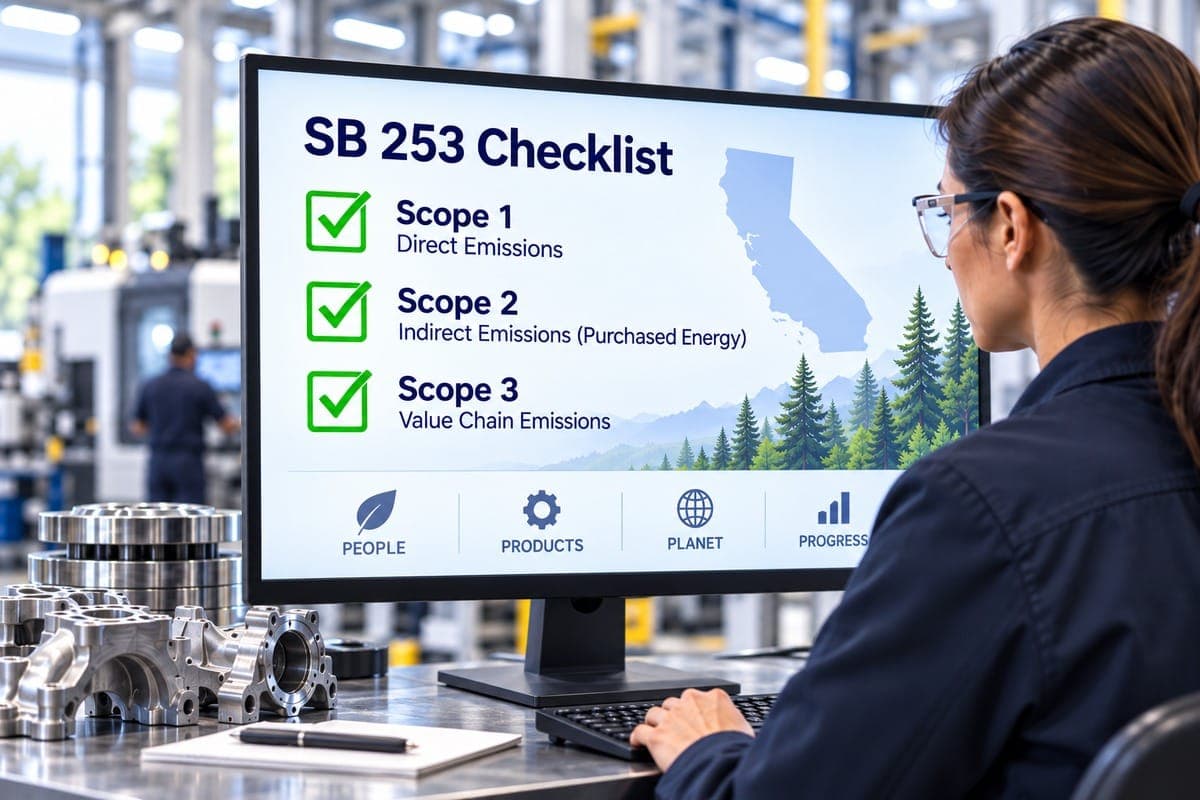
California SB 253 applies to companies over $1B in revenue — but its Scope 3 requirement reaches the automotive suppliers underneath them. What to expect and how to prepare.
Read Article
Talk with a Sustainability Expert, see a demo, or start free to put the Aclymate platform and experts to work for your team.