← Back to Insights
Ariel Le
July 18, 2025

Summer vacations present ideal occasions to relax, discover new places, and make cherished memories. However, travel inevitably carries environmental consequences. From selecting appropriate luggage to choosing what to pack, each decision affects our carbon footprint. This season, let's think carefully about how we travel, making responsible choices that decrease waste, lower pollution, and foster environmental stewardship. "Even small changes can make a big difference in preserving the beauty of the places we visit."
Luggage represents a lasting investment. When selecting a suitcase, opting for sustainable materials significantly impacts your carbon footprint. Many conventional luggage manufacturers incorporate harmful substances like plastics and synthetics that endanger both health and ecosystems.
"With the right care, it should last you for decades." Quality suitcases can serve you for many years. Additionally, packing efficiently matters—heavier aircraft require more fuel. Traveling light reduces carbon emissions throughout your journey.
Single-use products substantially contribute to travel-related emissions. Bringing a refillable water bottle eliminates plastic waste. A reusable shopping bag prevents accumulating packaging and disposable bags at accommodations.
"If you plan on eating takeout or on-the-go, bring your own reusable utensils and food containers." Collapsible items conserve luggage space while eliminating disposable alternatives.
Hotels routinely provide travel-sized toiletries in excessive plastic packaging. "To avoid contributing to the waste, consider packing your own toiletries from home within reusable travel containers."
Regarding sun protection, many commercial sunscreens contain chemicals like oxybenzone and octinoxate that harm marine ecosystems. "Consider more sustainable sunscreen options that contain zinc oxide and titanium dioxide." Alternatively, protective hats and lightweight coverups offer chemical-free UV defense.
Vacation shopping often encourages unnecessary consumption. Before purchasing new clothing, examine your existing wardrobe thoroughly.
"Look for sustainable companies with certifications such as Global Organic Textile Standard (GOTS), B Corp, Fair Trade, or Cradle to Cradle." Select natural fabrics including cotton, hemp, bamboo, linen, and wool instead of polyester, nylon, acrylic, and rayon. Organic materials prove more durable and generate less pollution during manufacturing and disposal.
"Quality over quantity" should guide your purchases—invest in pieces you'll wear long after your vacation concludes.
Incorporating sustainability into summer travel doesn't diminish enjoyment; rather, it deepens our connection with the world. By choosing durable, eco-friendly luggage, minimizing disposable products, and supporting conscientious brands, we protect our planet while enjoying vacation experiences. "When we travel with sustainability in mind, we not only protect the destinations we love but also ensure that future generations can enjoy the same beauty and wonder."
Get Aclymate's practical sustainability content delivered weekly.

AI is creating new opportunities for businesses, but it also comes with an environmental cost. Carbon offsets can help address some of those emissions, but businesses need to understand what they are offsetting, how offsets work, and why measuring and reducing emissions should come first.
Read Article
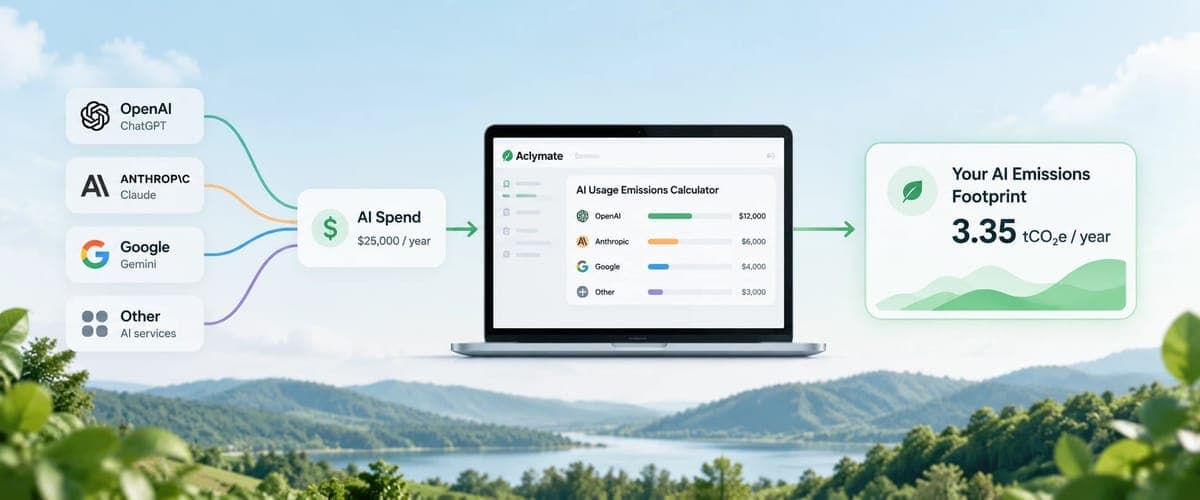
AI carbon emissions are becoming a new consideration for companies adopting ChatGPT, Claude, Gemini, Copilot and other artificial intelligence tools. Here’s how Aclymate estimates the carbon emissions from a company’s AI usage today—and how we expect the methodology to improve as AI providers release better usage and emissions data.
Read Article
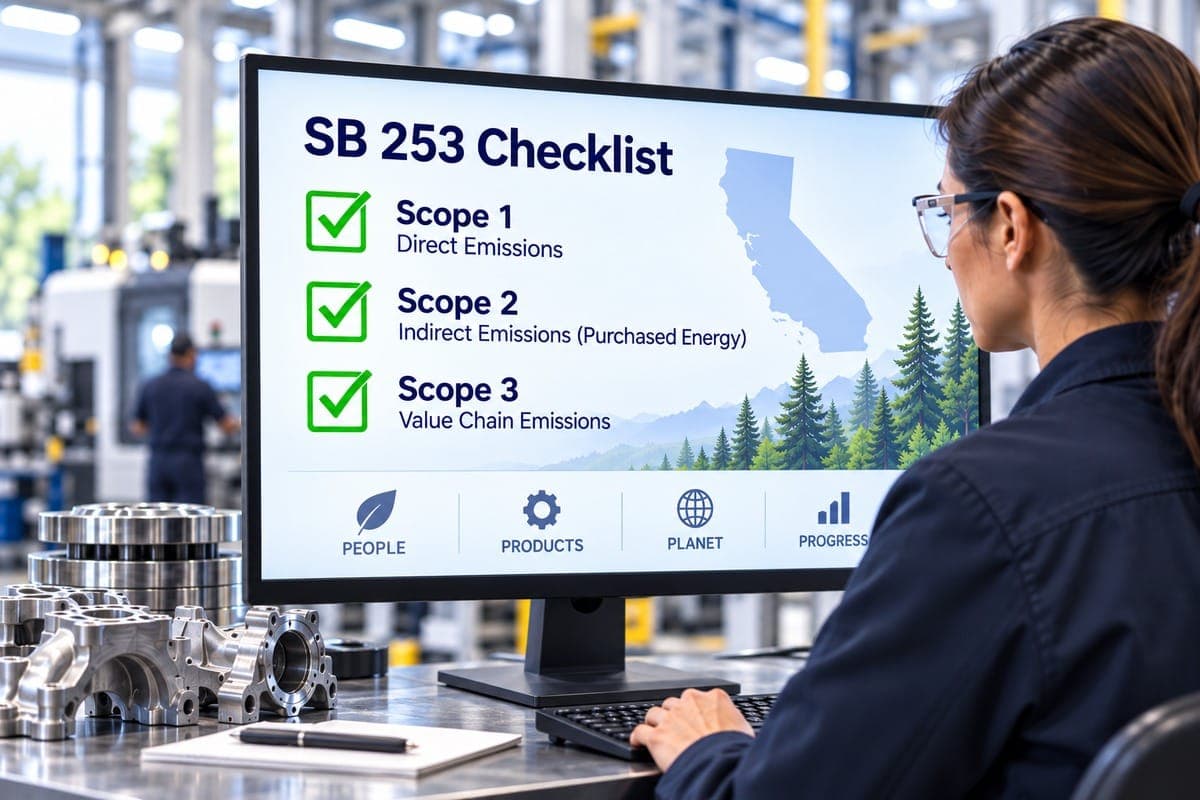
California SB 253 applies to companies over $1B in revenue — but its Scope 3 requirement reaches the automotive suppliers underneath them. What to expect and how to prepare.
Read Article
Talk with a Sustainability Expert, see a demo, or start free to put the Aclymate platform and experts to work for your team.