← Back to Insights
Ariel Le
August 1, 2025

There is growing demand for sustainability initiatives in companies from both external stakeholders like investors and customers, and internally from employees. According to Deloitte research, "27% of participants said that they consider a potential employer's position on sustainability" when evaluating job opportunities. Additionally, among younger demographics, "64% of respondents believe in the power they have to drive organizational change."
As young professionals enter the workforce with strong environmental awareness, they expect employers to be responsive to their input. However, genuine corporate climate action requires organization-wide effort. Building this culture means weaving sustainability into how teams think, work, and develop together—not simply adding green marketing to your brand.
Cultural transformation must originate at the executive level. Senior leadership must actively participate in sustainability discussions and lead by example. When top leaders champion these initiatives, it signals that sustainability represents a core strategic priority rather than a peripheral concern.
Leaders should integrate sustainability into mission statements and organizational values, discuss these topics in company meetings, participate in green initiatives, and make sustainable choices across all departments.
Before reducing emissions, establish your current baseline using the Greenhouse Gas (GHG) Protocol framework, which categorizes emissions into three scopes:
After establishing your baseline, set clear reduction targets using one of these approaches:
Employees represent your greatest resource for building sustainable culture. Keep them informed and motivated through sustainability reports, newsletters, emails, and visible signage communicating organizational goals.
Integrate sustainability training into onboarding programs and offer ongoing workshops throughout the year. Host events like Earth Day celebrations, volunteer days, and commuting challenges to maintain engagement. Consider launching friendly competitions around sustainability metrics with incentive rewards.
Establish a green team or sustainability committee that allows employees to champion initiatives, generate ideas, and monitor advancement toward goals.
Sustainability should not remain isolated in a single department. Embed it throughout decision-making processes across procurement, marketing, HR, and operations. Collaborate with environmentally-conscious suppliers, pursue third-party certifications such as B Corp or Fair Trade, and partner with nonprofits sharing your environmental mission. When your entire ecosystem aligns around these values, impact multiplies significantly.
Transparency builds credibility with stakeholders. Share accomplishments while honestly addressing setbacks and ongoing learning areas. Authenticity resonates more than projecting perfection.
Use storytelling through blogs, videos, and internal communications to make progress tangible and relatable. When achieving milestones, celebrate visibly through company-wide recognition, awards ceremonies, or sincere acknowledgment—this recognition sustains momentum and motivation.
Building organizational climate culture represents both a strategic business decision and a meaningful commitment to sustainable futures. When sustainability becomes woven throughout organizational values, objectives, and daily operations, it transcends being merely an initiative and becomes a shared perspective. Through engaging leadership, establishing clear targets, empowering staff, and maintaining transparency about progress, you establish foundations for enduring impact.
Get Aclymate's practical sustainability content delivered weekly.

AI is creating new opportunities for businesses, but it also comes with an environmental cost. Carbon offsets can help address some of those emissions, but businesses need to understand what they are offsetting, how offsets work, and why measuring and reducing emissions should come first.
Read Article
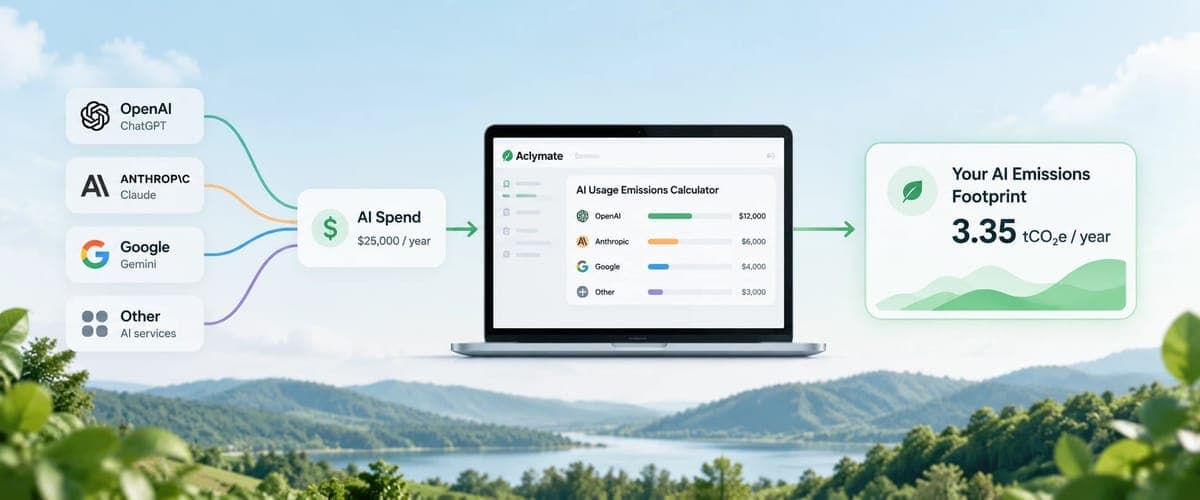
AI carbon emissions are becoming a new consideration for companies adopting ChatGPT, Claude, Gemini, Copilot and other artificial intelligence tools. Here’s how Aclymate estimates the carbon emissions from a company’s AI usage today—and how we expect the methodology to improve as AI providers release better usage and emissions data.
Read Article
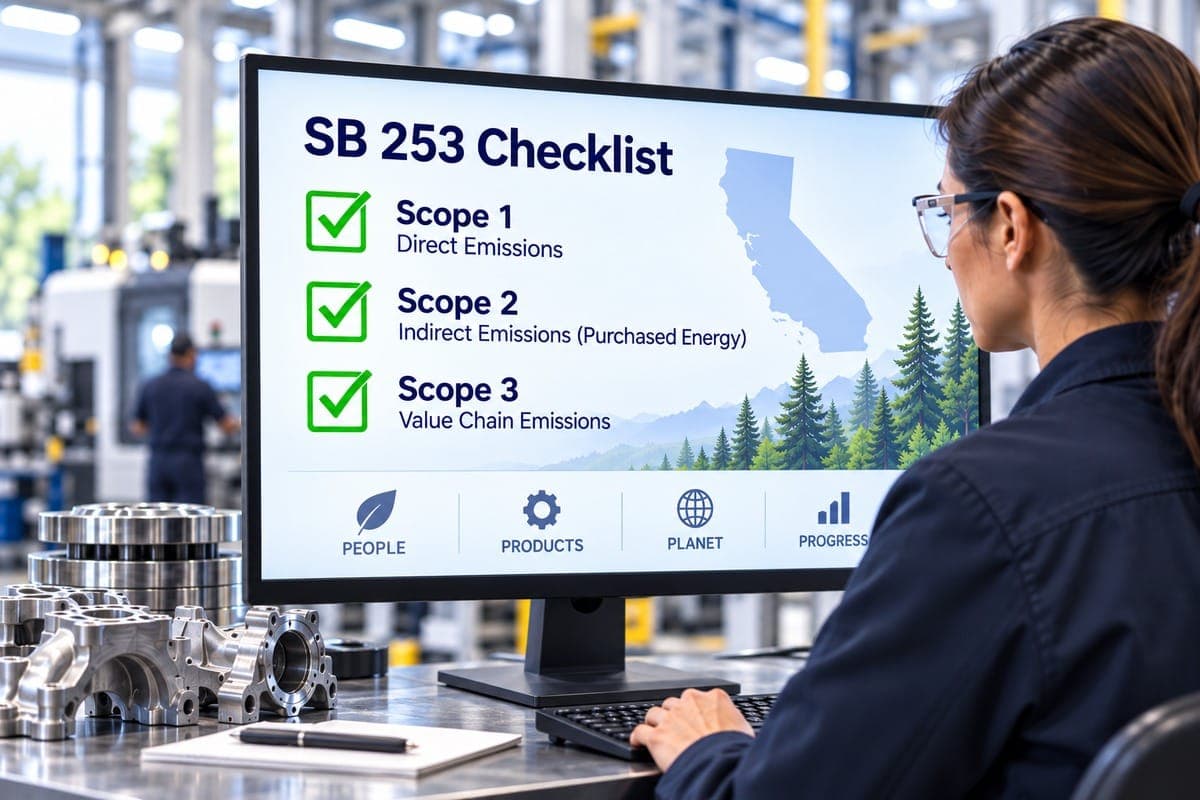
California SB 253 applies to companies over $1B in revenue — but its Scope 3 requirement reaches the automotive suppliers underneath them. What to expect and how to prepare.
Read Article
Talk with a Sustainability Expert, see a demo, or start free to put the Aclymate platform and experts to work for your team.