← Back to Insights
Ariel Le
May 30, 2025
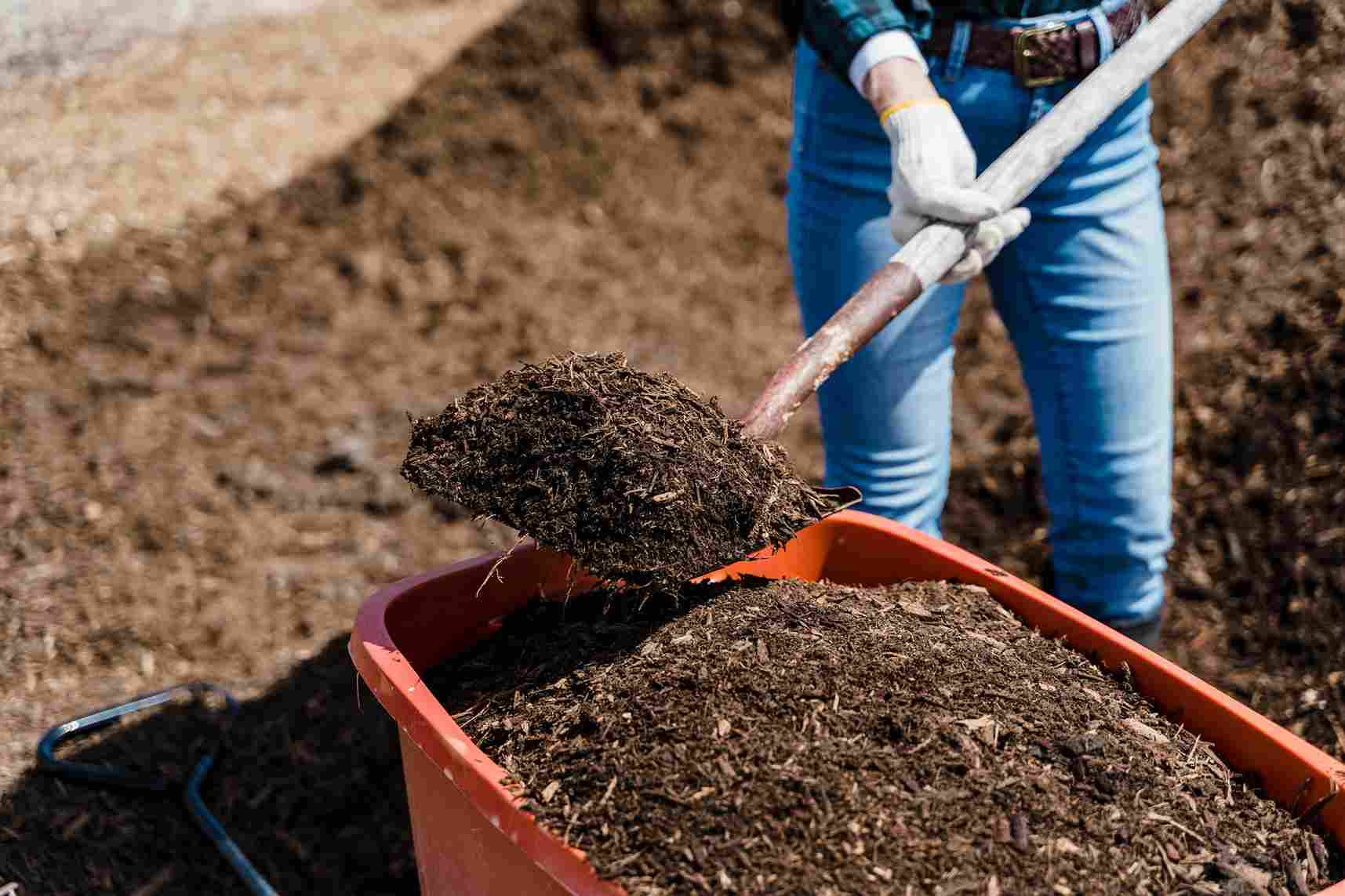
May 29 marks National Learn About Composting Day. This article explores composting's prehistoric roots, its environmental advantages, and how to begin your own composting practice.
Composting involves recycling organic materials into soil-enriching amendments. Microorganisms—bacteria, fungi, and worms—accelerate this natural process by breaking down organic matter when oxygen, heat, and moisture are present. These microbes require carbon and nitrogen for growth, water for digestion, and oxygen for respiration. "Composting is nature's way of recycling and is one of the most powerful actions we can take to reduce trash in landfills and build healthy soil."
Composting practices date back to the Stone Age. Scottish farmers around 5000 BC plowed decomposing organic material into fields, while early American populations developed similar techniques independently. The Akkadian Empire documented compost-making on clay tablets in 2350 BC, marking the first written record. Following the Dark Ages, Renaissance authors like William Shakespeare revived composting knowledge. Early American leaders, particularly George Washington, recognized composting's value and published writings about soil amendments.
Composting delivers substantial environmental and agricultural benefits:
Choose a Method: Select from open bins, piles, or tumblers based on available space, time commitment, and waste volume.
Select a Location: Choose an accessible year-round spot with good drainage and air circulation.
Gather Materials:
Build Your Pile:
Maintain Your Compost:
Finished compost appears dark, crumbly, and earthy-smelling—bearing no resemblance to original materials. Use fully decomposed compost only to avoid pest attraction and plant damage.
Application Methods:
Uses:
Get Aclymate's practical sustainability content delivered weekly.

AI is creating new opportunities for businesses, but it also comes with an environmental cost. Carbon offsets can help address some of those emissions, but businesses need to understand what they are offsetting, how offsets work, and why measuring and reducing emissions should come first.
Read Article
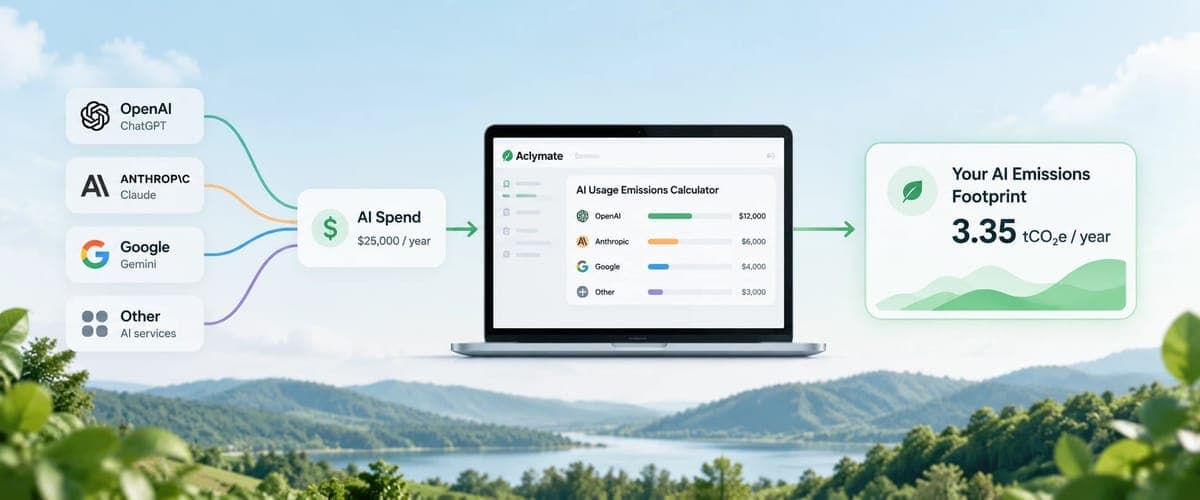
AI carbon emissions are becoming a new consideration for companies adopting ChatGPT, Claude, Gemini, Copilot and other artificial intelligence tools. Here’s how Aclymate estimates the carbon emissions from a company’s AI usage today—and how we expect the methodology to improve as AI providers release better usage and emissions data.
Read Article
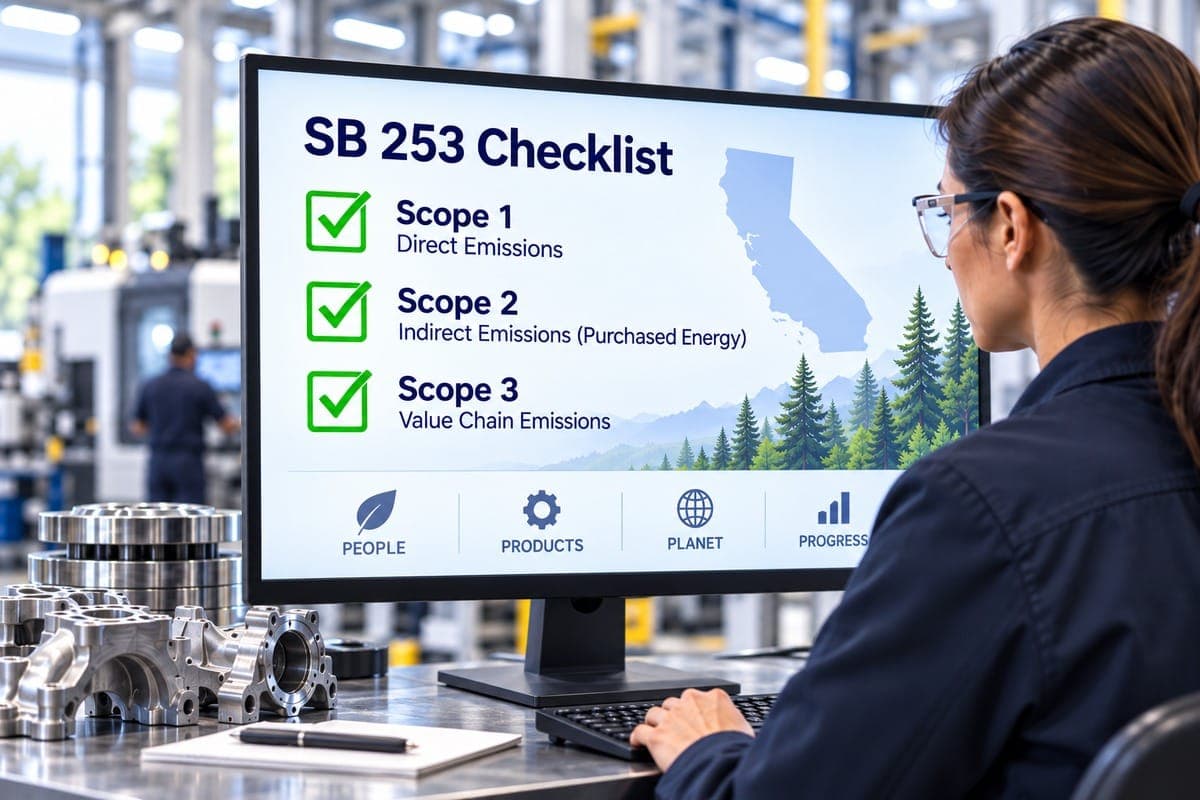
California SB 253 applies to companies over $1B in revenue — but its Scope 3 requirement reaches the automotive suppliers underneath them. What to expect and how to prepare.
Read Article
Talk with a Sustainability Expert, see a demo, or start free to put the Aclymate platform and experts to work for your team.