← Back to Insights
Ellie Thorson
October 3, 2025

Recent research indicates that "70 percent of respondents said rising emissions and global temperatures will have a 'high or very high' impact on operations." As extreme weather and climate-related disruptions escalate, climate change represents an immediate business challenge rather than a distant threat.
Organizations across industries must choose between maintaining current practices or transitioning toward sustainable solutions that safeguard both profitability and environmental responsibility.
Climate impacts are no longer distant concerns for large enterprises alone. Financial consequences are affecting organizations across all scales far faster than anticipated.
Climate-related expenses now appear on balance sheets through:
In 2024, "extreme weather disasters cost the United States $182.7 billion." Growing financial exposure stems from increasingly severe weather patterns. From intense heat affecting cooling systems to flooding that closes facilities, climate disruptions constitute regular business hazards rather than exceptional circumstances.
Furthermore, carbon pricing continues rising globally. Regulatory bodies are implementing carbon costs, mandatory emissions reporting, and climate-related financial disclosure requirements. Even unregulated businesses may face pressure from customers, financial backers, or supply chain partners demanding emissions information or imposing climate-related expenses.
As climate impacts become tangible, both customers and workforce members increasingly demand environmental responsibility from their business partners and employers.
According to Deloitte's 2023 research, "69 percent of employed adults said they want their employers to invest in sustainability efforts such as reducing emissions, using renewable energy, and cutting waste."
However, promises alone prove insufficient. Public awareness of misleading environmental marketing continues growing, creating skepticism toward unsubstantiated sustainability declarations. Trust develops through demonstrated commitment, clear progress reporting, and credible external certifications.
Climate inaction creates operational challenges—not merely image concerns. Numerous companies currently experience these tangible impacts.
Research shows that "more than 99 percent of surveyed executives say that climate change is affecting their supply chains."
Operational threats include:
Beyond climate threats, business relationships drive compliance pressure. Major corporations request Scope 3 emissions disclosures from vendors and partners. Businesses unable to provide this information risk losing procurement contracts and expansion opportunities.
Climate action extends beyond risk reduction—it represents genuine economic potential. Sustainability leaders capitalize on emerging market conditions.
Consumer preferences are changing. Research demonstrates that products with credible "ESG claims grew by 28 percent over a five-year period, compared to just 20 percent for products without such claims." Sustainability increasingly influences purchasing behavior rather than representing optional positioning.
Forward-thinking organizations gain competitive advantages beyond improved brand perception. They recruit superior talent, access new customer bases, and anticipate regulatory shifts and market evolution. As sustainability expectations become standard, organizations delaying action face the greatest disadvantage.
Inaction costs continue escalating. Organizations neglecting climate responsibility encounter financial, reputational, and operational dangers. Simultaneously, proactive companies unlock expansion possibilities, strengthen operational durability, and develop customer loyalty.
Starting today demands no perfection—only a commitment to begin. Whether addressing risks, satisfying stakeholder requirements, or establishing brand differentiation, climate action represents prudent business strategy and essential practice.
Get Aclymate's practical sustainability content delivered weekly.

AI is creating new opportunities for businesses, but it also comes with an environmental cost. Carbon offsets can help address some of those emissions, but businesses need to understand what they are offsetting, how offsets work, and why measuring and reducing emissions should come first.
Read Article
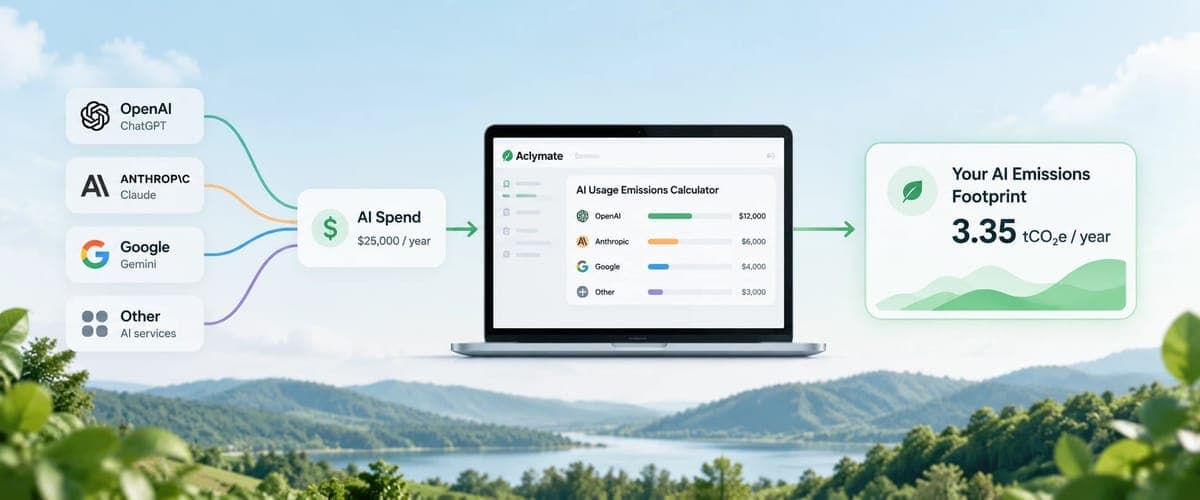
AI carbon emissions are becoming a new consideration for companies adopting ChatGPT, Claude, Gemini, Copilot and other artificial intelligence tools. Here’s how Aclymate estimates the carbon emissions from a company’s AI usage today—and how we expect the methodology to improve as AI providers release better usage and emissions data.
Read Article
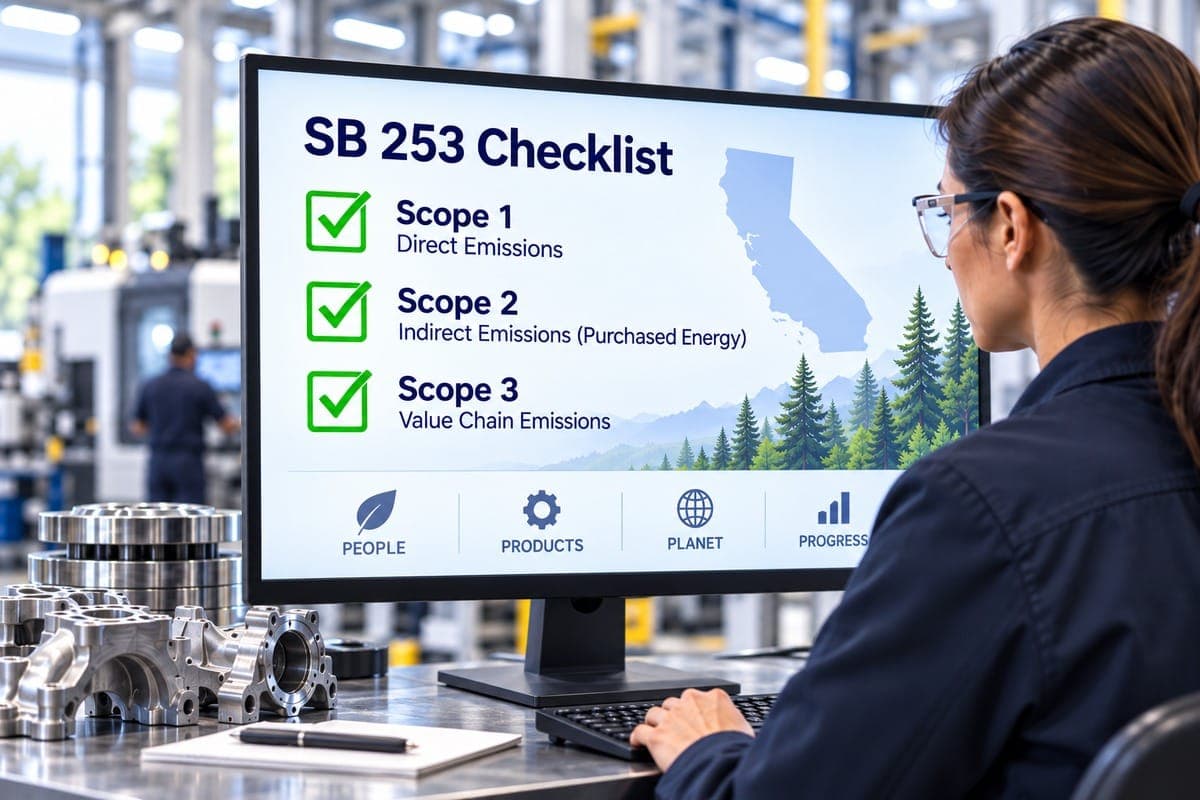
California SB 253 applies to companies over $1B in revenue — but its Scope 3 requirement reaches the automotive suppliers underneath them. What to expect and how to prepare.
Read Article
Talk with a Sustainability Expert, see a demo, or start free to put the Aclymate platform and experts to work for your team.