← Back to Insights
Era Shah
July 11, 2025

In 2025, the pressure for businesses to report and reduce carbon emissions is higher than ever. Investor expectations, consumer demands, regulations like California's Climate Accountability Package, and sustainability certifications are driving carbon accounting adoption. Without sustainability expertise on staff, emissions tracking can overwhelm small and midsize businesses.
Carbon accounting platforms like Aclymate and Greenly simplify this process by helping organizations measure greenhouse gas emissions across Scope 1, 2, and 3 categories—covering direct emissions and supply chain impacts. Both platforms guide reduction efforts and support regulatory compliance, though they take different approaches.
Both platforms help businesses measure emissions across three scopes, but they differ significantly in complexity, pricing, and target audience.
For small companies with 1–10 employees, the pricing gap is substantial:
Aclymate suits businesses new to carbon accounting or lacking dedicated sustainability staff:
A regional food manufacturing company with 30 employees pursuing B Corp certification and preparing for future legislation needs emissions reporting without dedicated sustainability officers. This company collaborates with multiple vendors and suppliers. Aclymate provides comprehensive Scope 3 tracking, unlimited cross-team access for operations and finance collaboration, and vendor data integration—all without complex system navigation or manual data extraction.
Both platforms offer genuine environmental impact potential. Greenly suits organizations with complex data systems and substantial budgets requiring extensive customization. However, businesses seeking affordable, user-friendly, and scalable solutions should consider Aclymate.
As regulatory requirements intensify and stakeholder expectations grow, implementing emissions tracking now positions companies for future compliance and competitive advantage.
Get Aclymate's practical sustainability content delivered weekly.

AI is creating new opportunities for businesses, but it also comes with an environmental cost. Carbon offsets can help address some of those emissions, but businesses need to understand what they are offsetting, how offsets work, and why measuring and reducing emissions should come first.
Read Article
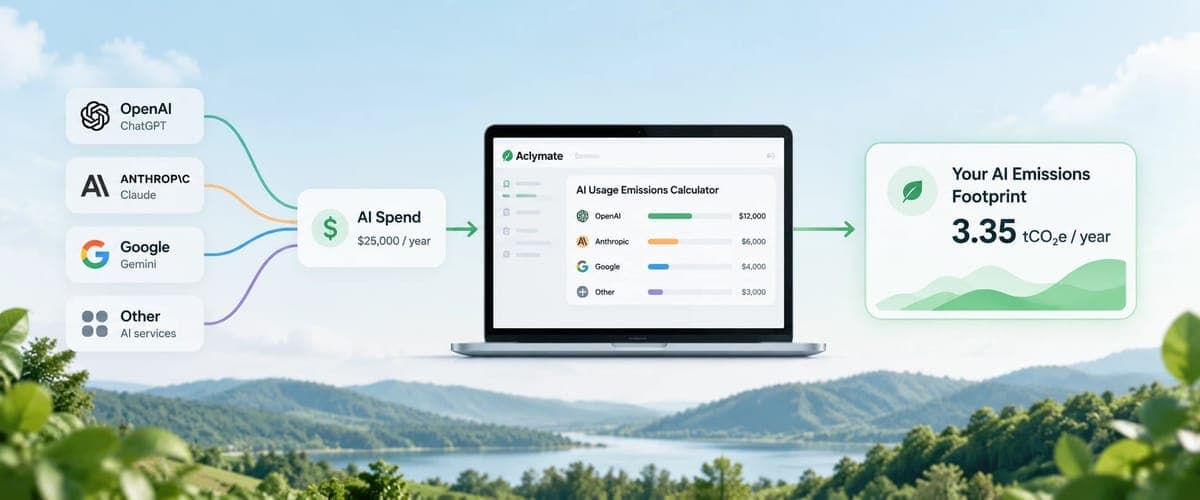
AI carbon emissions are becoming a new consideration for companies adopting ChatGPT, Claude, Gemini, Copilot and other artificial intelligence tools. Here’s how Aclymate estimates the carbon emissions from a company’s AI usage today—and how we expect the methodology to improve as AI providers release better usage and emissions data.
Read Article
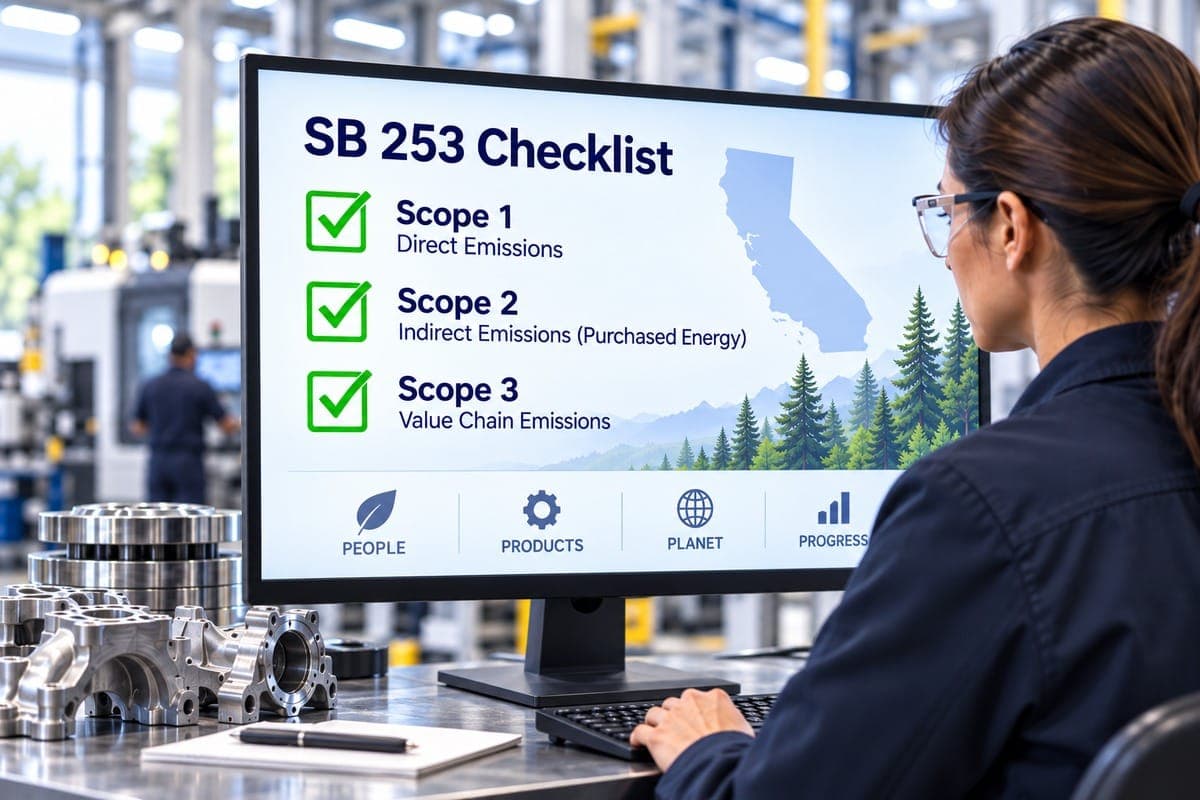
California SB 253 applies to companies over $1B in revenue — but its Scope 3 requirement reaches the automotive suppliers underneath them. What to expect and how to prepare.
Read Article
Talk with a Sustainability Expert, see a demo, or start free to put the Aclymate platform and experts to work for your team.