← Back to Insights
Christie Hao
October 25, 2024
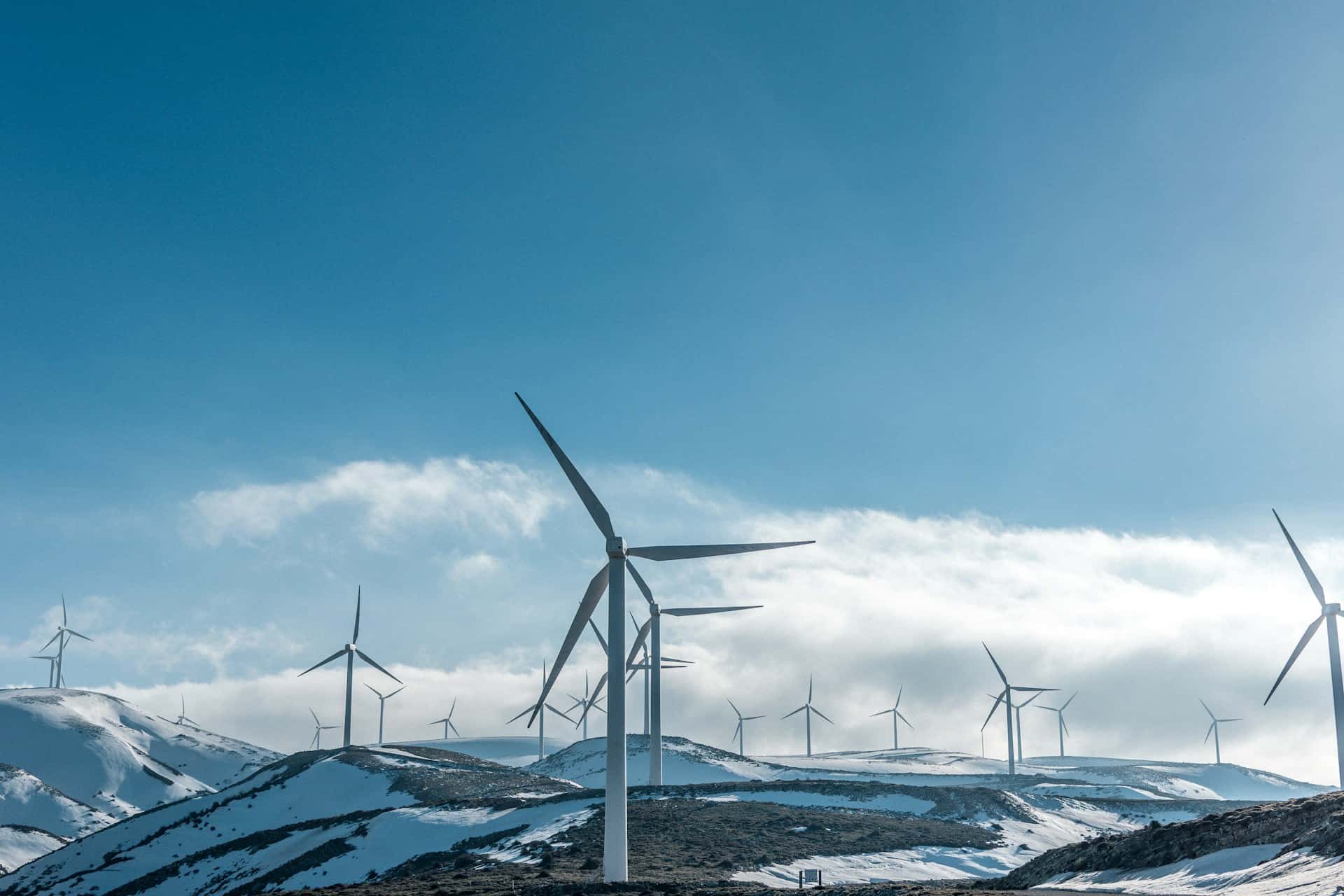
Managing a company’s carbon footprint involves addressing emissions across multiple areas, including utilities such as heating, electricity, and waste management.Today, Aclymate offers some effective strategies for reducing carbon emissions in this sector – we break down such strategies in terms of the scopes they fall under.
When it comes to direct emissions, especially from fossil fuel-based heating sources like propane or natural gas, consider switching to cleaner heating options.
In colder environments, switching from a traditional furnace to a cold-climate heat pump can significantly reduce emissions. These heat pumps are designed to operate efficiently even in low temperatures. They are much cleaner in providing heat since they run on electricity instead of fossil fuels.
Additionally, companies with larger floor areas should consider ground-source heat pumps. While they require a bigger upfront investment, these systems are more reliable and climate-friendly in the long run.
Here are several practical strategies for reducing electricity-related emissions in your business.
Get Aclymate's practical sustainability content delivered weekly.

AI is creating new opportunities for businesses, but it also comes with an environmental cost. Carbon offsets can help address some of those emissions, but businesses need to understand what they are offsetting, how offsets work, and why measuring and reducing emissions should come first.
Read Article
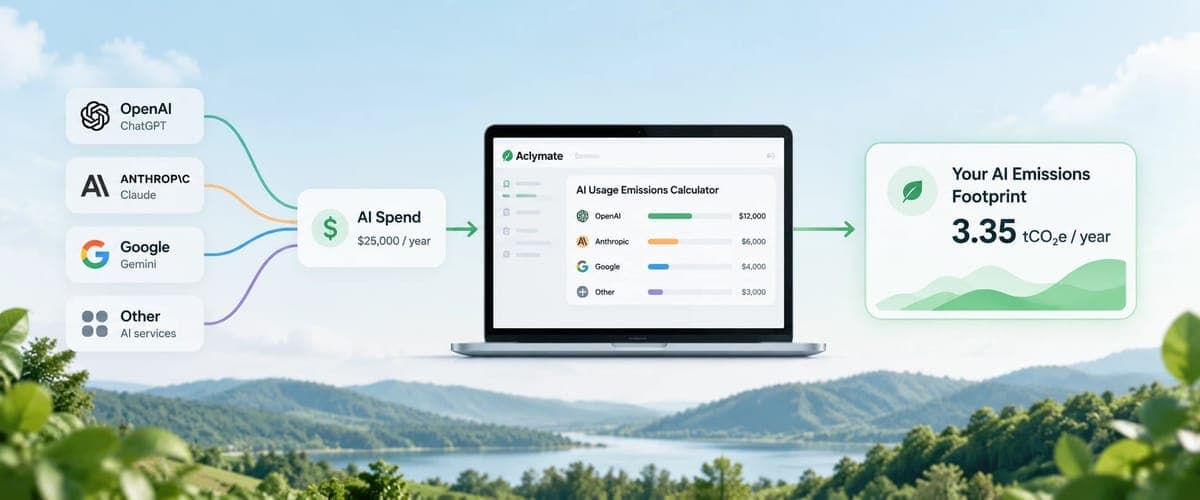
AI carbon emissions are becoming a new consideration for companies adopting ChatGPT, Claude, Gemini, Copilot and other artificial intelligence tools. Here’s how Aclymate estimates the carbon emissions from a company’s AI usage today—and how we expect the methodology to improve as AI providers release better usage and emissions data.
Read Article
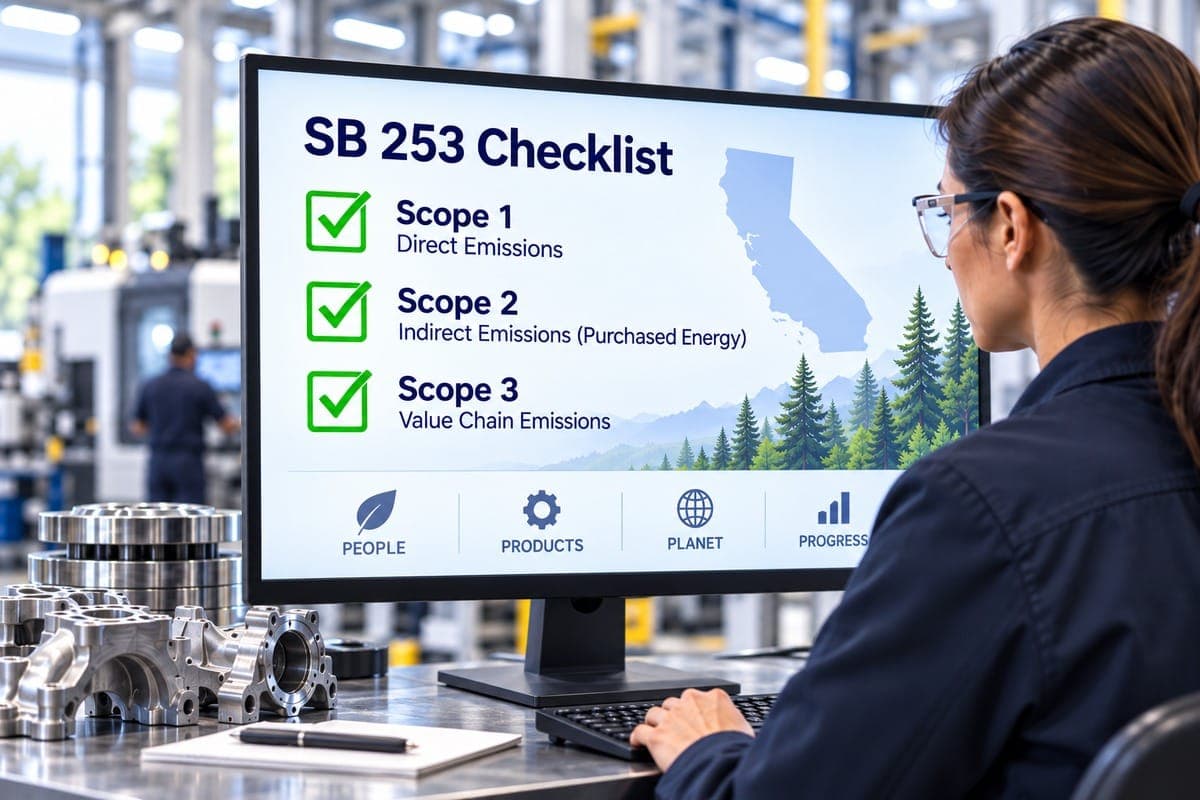
California SB 253 applies to companies over $1B in revenue — but its Scope 3 requirement reaches the automotive suppliers underneath them. What to expect and how to prepare.
Read Article
Talk with a Sustainability Expert, see a demo, or start free to put the Aclymate platform and experts to work for your team.