← Back to Insights
Aliza Savin
June 20, 2024
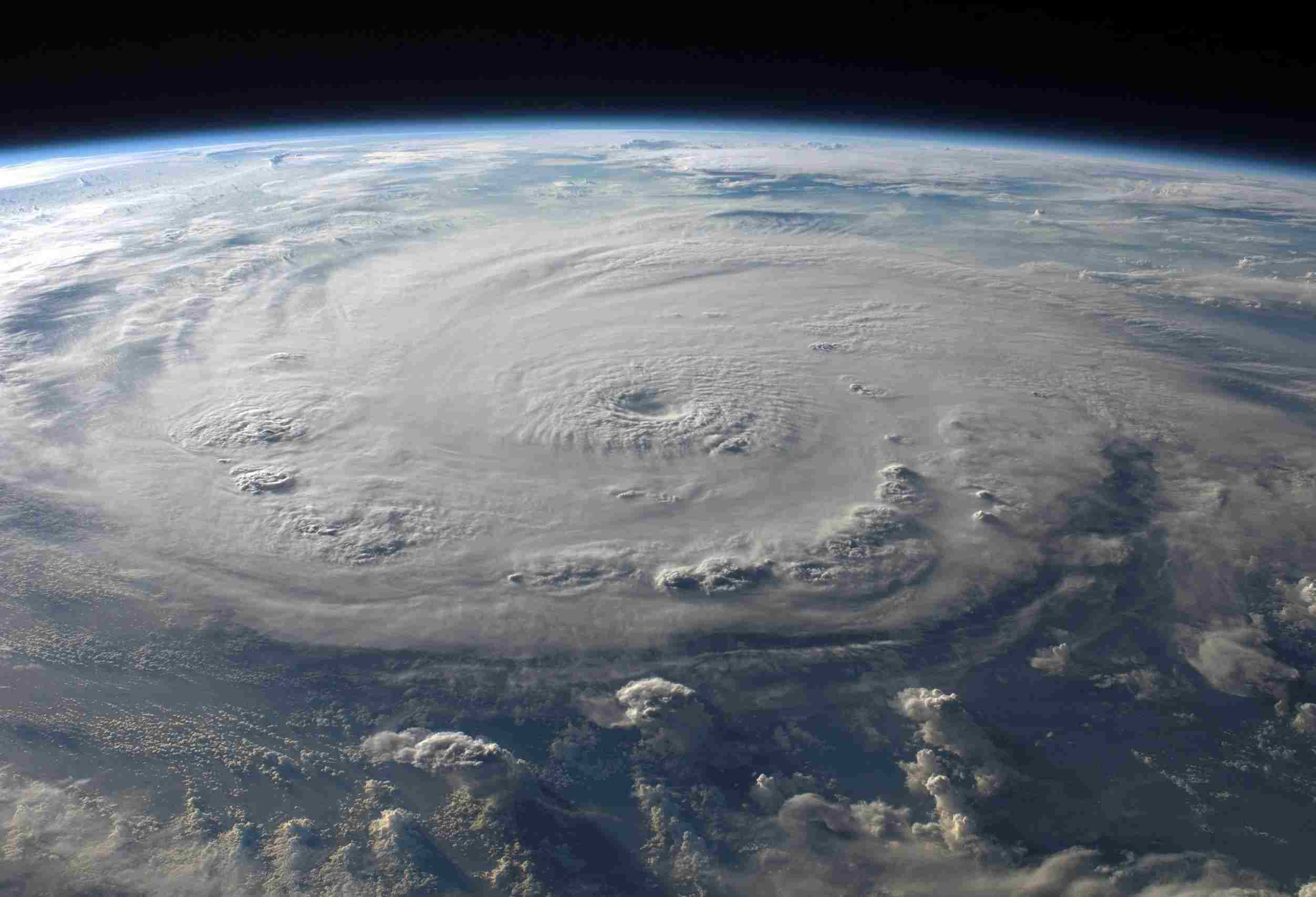
In a traditional greenhouse, sunlight shines through the glass causing heat to get trapped, warming up the structure. Earth’s atmosphere works similarly and this so-called greenhouse effect is necessary to maintain life. However, in the last 200 years, human activity has accelerated this natural process by pumping massive amounts of greenhouse gases into the atmosphere, resulting in a warming planet. Here is a quick look at the science behind the Greenhouse Effect.
Light is a form of energy that travels in waves, making up the electromagnetic spectrum. The light that reaches the Earth from the Sun is called solar radiation. Radiation is just a fancy way of saying transferring heat from one thing to another. Solar radiation reaches Earth mainly in the form of visible light (see figure below). Some of this light is reflected back into space by Earth’s atmosphere and surface, but most of it is absorbed by Earth’s surface. The surface heats up as a result of the energy input and then re-emits some of the energy back into the atmosphere.
Get Aclymate's practical sustainability content delivered weekly.

AI is creating new opportunities for businesses, but it also comes with an environmental cost. Carbon offsets can help address some of those emissions, but businesses need to understand what they are offsetting, how offsets work, and why measuring and reducing emissions should come first.
Read Article
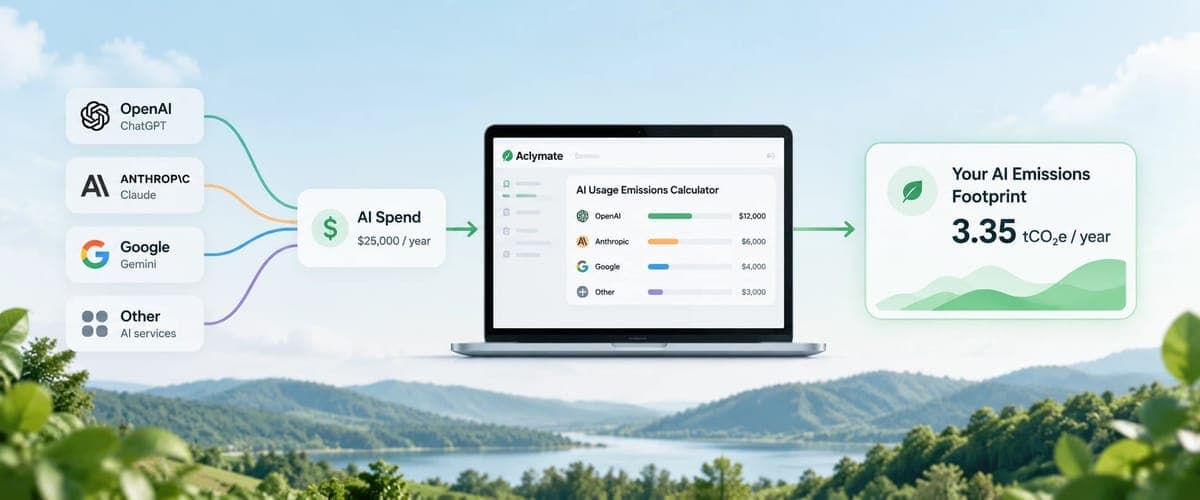
AI carbon emissions are becoming a new consideration for companies adopting ChatGPT, Claude, Gemini, Copilot and other artificial intelligence tools. Here’s how Aclymate estimates the carbon emissions from a company’s AI usage today—and how we expect the methodology to improve as AI providers release better usage and emissions data.
Read Article
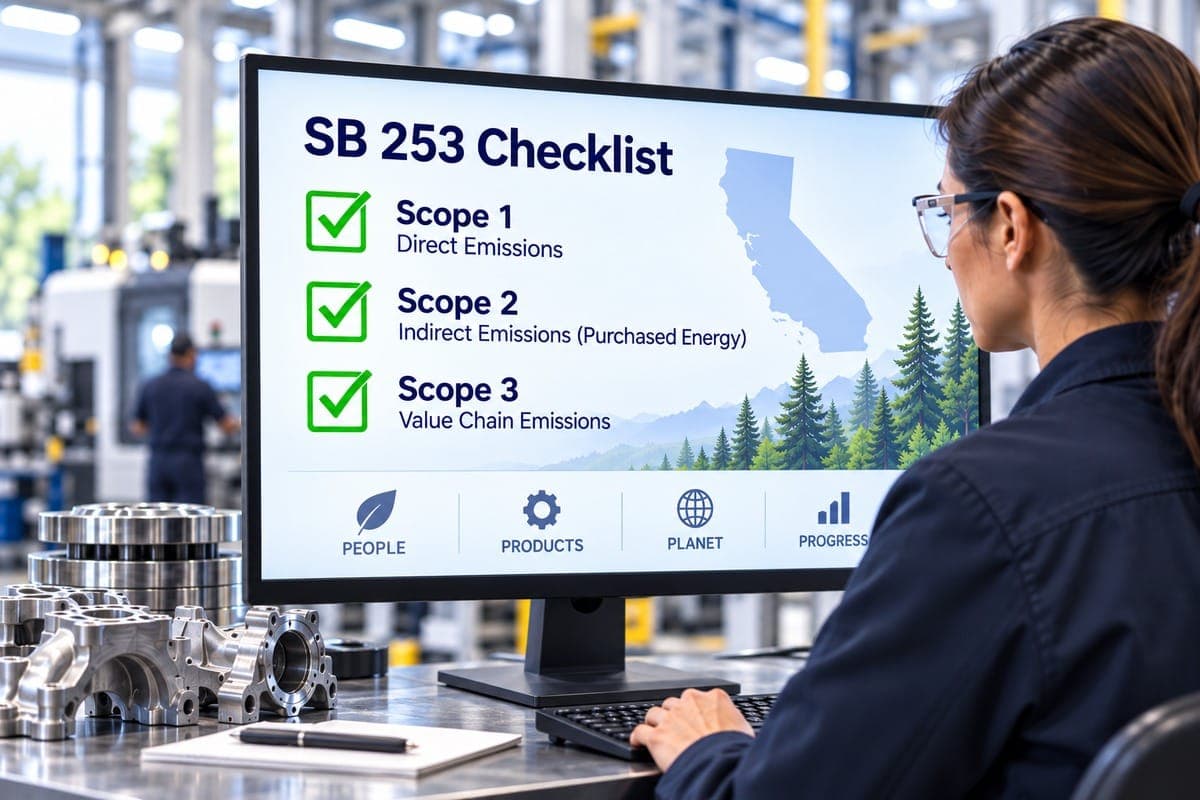
California SB 253 applies to companies over $1B in revenue — but its Scope 3 requirement reaches the automotive suppliers underneath them. What to expect and how to prepare.
Read Article
Talk with a Sustainability Expert, see a demo, or start free to put the Aclymate platform and experts to work for your team.