← Back to Insights
Honeycomb Strategies
April 29, 2025

Event planners typically prioritize cost, convenience, and efficiency when arranging ground transportation. However, understanding how transportation impacts an event's carbon footprint can help achieve sustainability goals while maintaining—or even improving—attendee experience and reducing expenses.
Transportation sustainability depends on:
Emissions: 0.17 lbs CO₂/passenger-mile (rail); 0.39 lbs CO₂/passenger-mile (bus)
Emissions: 0.15 lbs CO₂/passenger-mile
Emissions: 0.47 lbs CO₂/passenger-mile
Emissions: 0.5+ lbs CO₂/passenger-mile
According to Honeycomb Strategies' sustainability manager Eric Shaphran, "attendees are the lifeblood of the events industry. Given the impact that each person can have via their travel, integrating solutions to make their journey more sustainable can pay huge dividends for the carbon footprint of an event."
Event organizers and venues can implement changes that benefit attendees while reducing emissions. Developing new partnerships or transportation systems positions events as sustainability leaders.
Get Aclymate's practical sustainability content delivered weekly.

AI is creating new opportunities for businesses, but it also comes with an environmental cost. Carbon offsets can help address some of those emissions, but businesses need to understand what they are offsetting, how offsets work, and why measuring and reducing emissions should come first.
Read Article
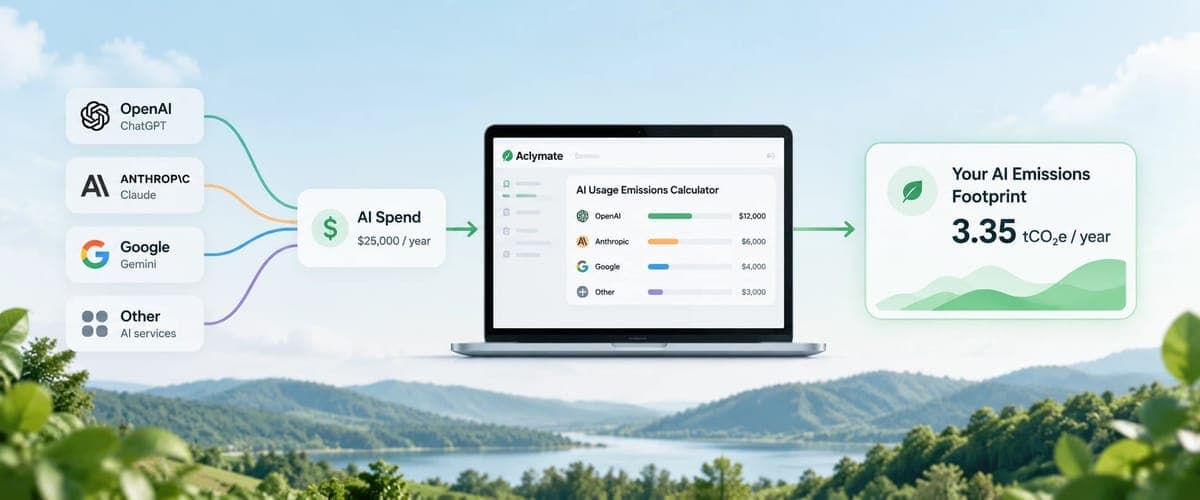
AI carbon emissions are becoming a new consideration for companies adopting ChatGPT, Claude, Gemini, Copilot and other artificial intelligence tools. Here’s how Aclymate estimates the carbon emissions from a company’s AI usage today—and how we expect the methodology to improve as AI providers release better usage and emissions data.
Read Article
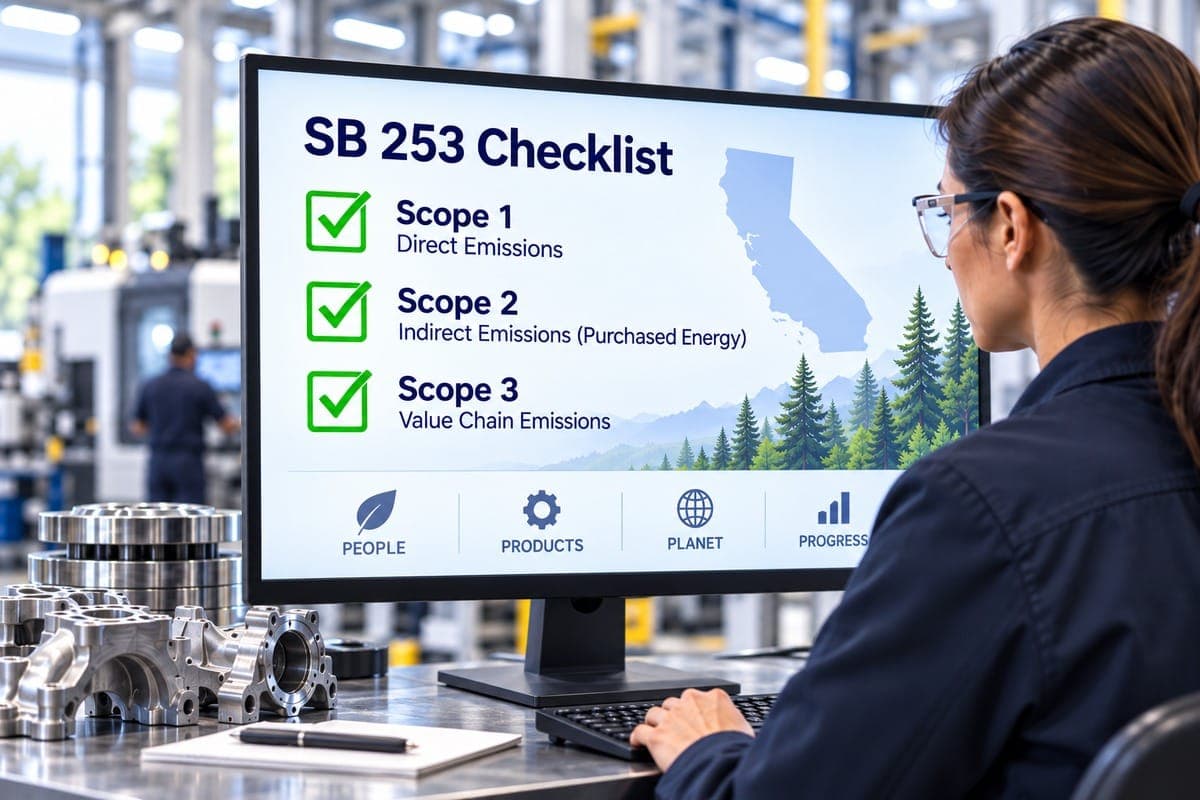
California SB 253 applies to companies over $1B in revenue — but its Scope 3 requirement reaches the automotive suppliers underneath them. What to expect and how to prepare.
Read Article
Talk with a Sustainability Expert, see a demo, or start free to put the Aclymate platform and experts to work for your team.